
Oregon Youth Challenge High School
Bend, OR
"Today's Challenge...Tomorrow's Success"
National Guard Youth Challenge Program
Free Intervention Program for At-Risk Youth Ages 16-18
At a Glance
Established
1999
Program Type
Youth Challenge
Administered By
National Guard
State
Oregon
Accreditations
The Verdict
Housed in a former Cold War-era military command bunker between Bend and the Oregon Badlands, the Oregon Youth Challenge Program has graduated nearly 6,500 cadets since 1999—offering Oregon's at-risk teens a genuine second chance in a quasi-military environment that combines academic rigor with life skills development.
With 96% of recent graduates working or attending school within six months of completion, and graduates earning 20% higher wages than their non-participating peers, OYCP represents one of the most effective intervention programs in the National Guard's Youth Challenge network. Embodying their motto "Today's Challenge...Tomorrow's Success," the 17-month program serves all 36 Oregon counties at no cost, transforming high school dropouts into diploma-earning, goal-setting young adults.
Campus & Cadet Life
About
The Oregon Youth Challenge Program is a tuition-free 17-month National Guard program in Bend for teens 15-18—22 residential weeks plus mentoring toward a diploma or GED.
Admissions & Selectivity
Admissions Philosophy
developmental
Key Requirements
- Must be an Oregon resident aged 15-18 (must be 16 by graduation)
- Must be a lawful permanent resident of the United States
- Academically deficient (behind in high school credits), at-risk of not graduating, or a high school dropout
- Free from felony convictions and no open violations for adult status offenses
- Must be drug-free and willing to remain drug-free
- Physically and mentally capable of participating in the program
- Participation is entirely voluntary (cannot be court-ordered)
- Must complete mandatory orientation with legal guardian (virtual or in-person)
- Must complete online application through ParentVue (Edupoint)
Location
Program Details
Eligible Ages
16-18 years old
Residential Phase
22 weeks
Mentorship Phase
12 months
Cost
FREE
Annual Enrollment
180
Gender
coed
Eligibility
State Resident
Participation
Voluntary
Barracks Life
Housing Type
barracks
Daily Schedule
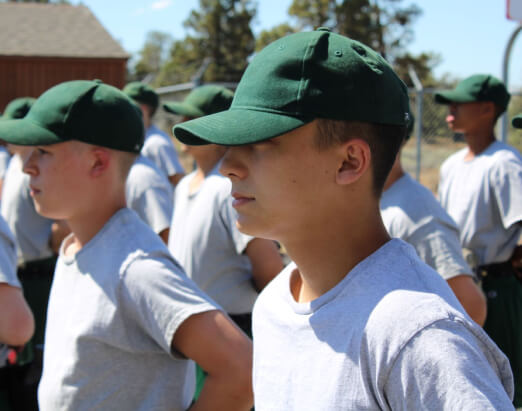
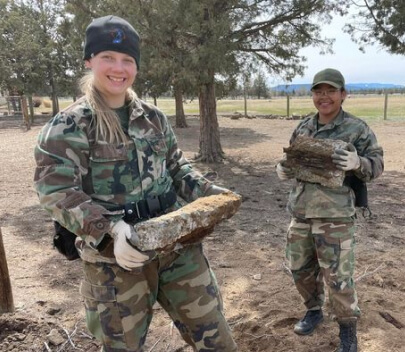
Cadets follow a highly structured military-style schedule throughout the 22-week residential phase. The day begins at 6:00 AM with cadets preparing bunks to inspection standards and reciting core values before breakfast. The schedule integrates classroom instruction with physical training, formation marching, and work assignments in the kitchen and laundry facilities. The day concludes after Taps plays over the campus loudspeakers. No cell phones are permitted—the program emphasizes eliminating outside distractions to foster focused personal development.
Discipline Model
OYCP operates a progressive discipline system modeled on military structure. Infractions begin with verbal warnings, escalating to disciplinary action reports. Escalating violations result in grade deductions, extra physical training assignments, additional work duties, mandatory essays, and ultimately potential dismissal following administrative review. Drug testing is mandatory with zero tolerance—any positive test results in immediate dismissal. The quasi-military framework emphasizes chain of command, peer accountability, and progressive responsibility.
Program Outcomes
Success Metrics
96% of graduates are employed or attending school 25+ hours weekly within six months of completion
Post-Program Pathways
N/A (program focuses on GED/diploma completion and career readiness; approximately 3% of graduates pursue military careers)
Note: Youth Challenge programs focus on GED completion, credit recovery, and life skills development—not traditional college prep metrics.
Physical Training
Physical Fitness Program
Physical fitness is a core curriculum component integrated into daily cadet life. All cadets participate in mandatory military-style physical training sessions based on the President's Challenge standards, including running, calisthenics, and organized sports. Physical training serves as both a fitness regimen and a disciplinary tool—additional PT may be assigned as a consequence for infractions. The program emphasizes the connection between physical wellness and mental well-being.
Physical Activities
Facilities
The campus is housed in a former Cold War-era military command bunker located between Bend and the Oregon Badlands, repurposed for youth programming after the Cold War ended. Following an $11 million renovation and expansion adding 7,000 square feet of new classrooms, bunk rooms, exercise and staff facilities, the campus now accommodates up to 180 cadets per class across multiple dormitories, with designated female housing. Facilities include barracks-style housing, classroom buildings, physical training areas, kitchen and laundry facilities where cadets work, and outdoor formation grounds.
Note: Youth Challenge programs emphasize physical fitness as one of the Eight Core Components, focusing on building endurance, strength, and healthy habits rather than varsity athletics.
Photo Gallery
Related Schools
Battle Born Youth Challenge Academy
Carlin, NV
Battle Born Youth Challenge Academy in Carlin is Nevada's tuition-free National Guard program for at-risk youth ages 16-18 — 22 weeks of credit recovery and life skills.
Discovery Challenge Academy
Lathrop, CA
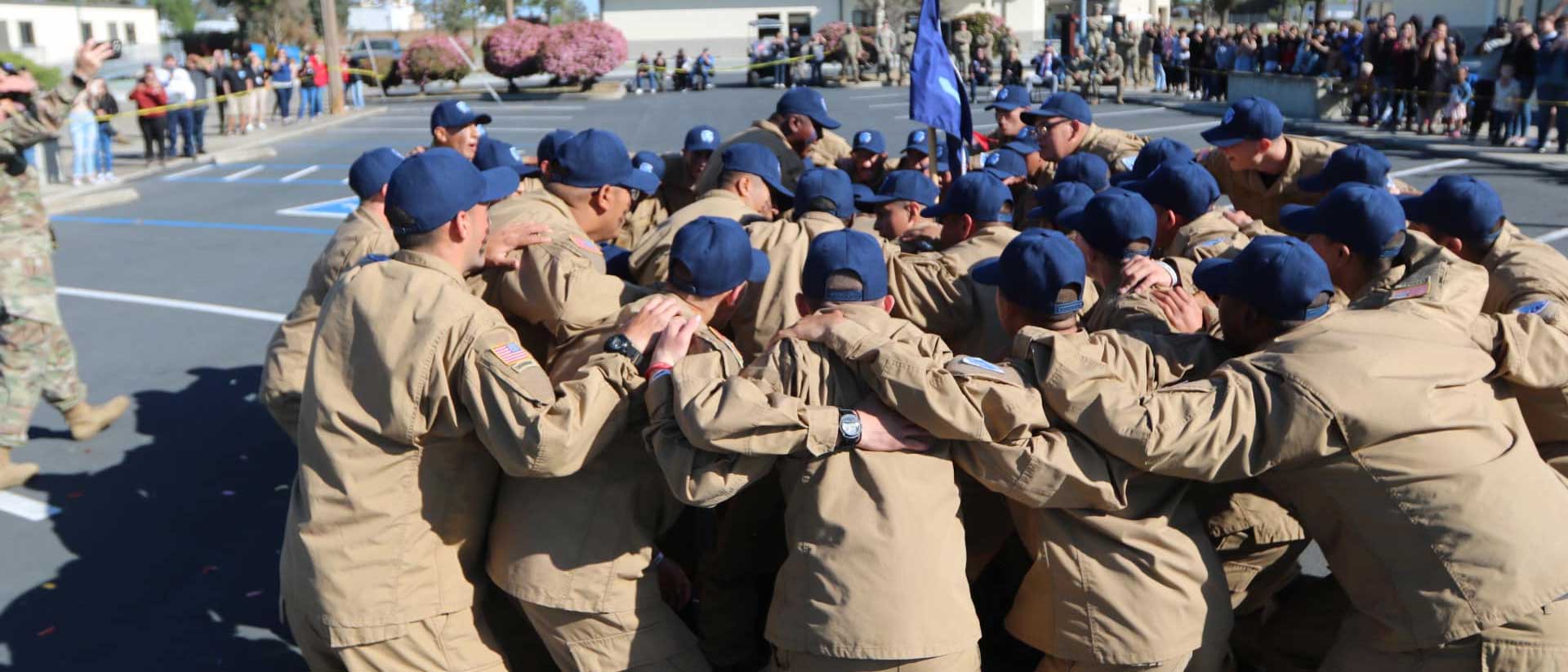
Discovery Challenge Academy in Lathrop, California, is a free 22-week residential National Guard program for teens ages 16-18 at risk of not graduating on time.
Grizzly Youth Academy
San Luis Obispo, CA
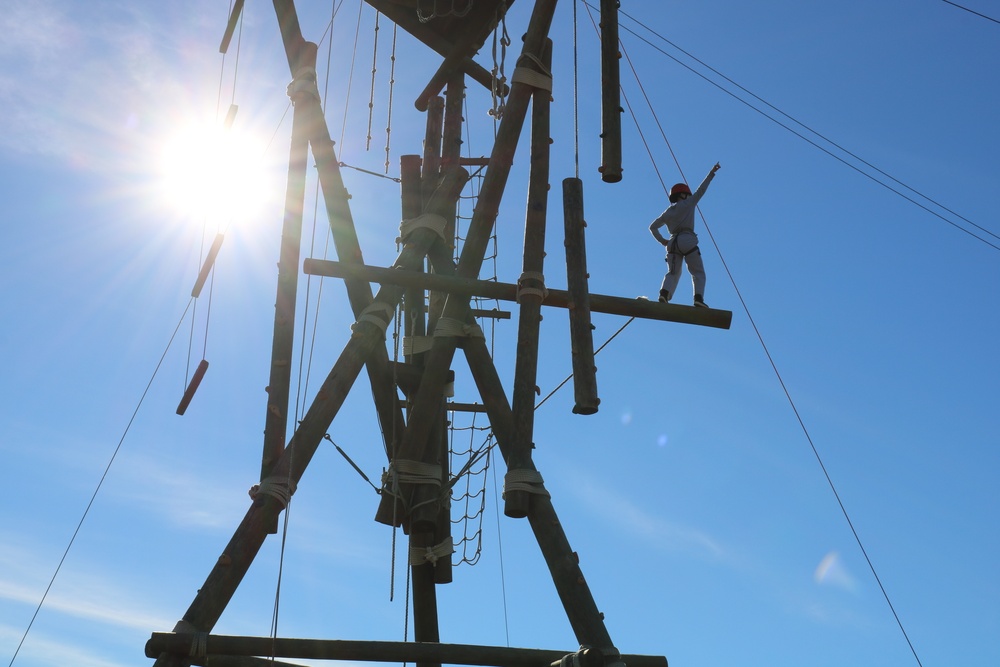
Grizzly Youth Academy at Camp San Luis Obispo is a free 22-week residential California National Guard program helping at-risk teens ages 16-18 earn a diploma or GED.
Idaho Youth Challenge Academy
Pierce, ID
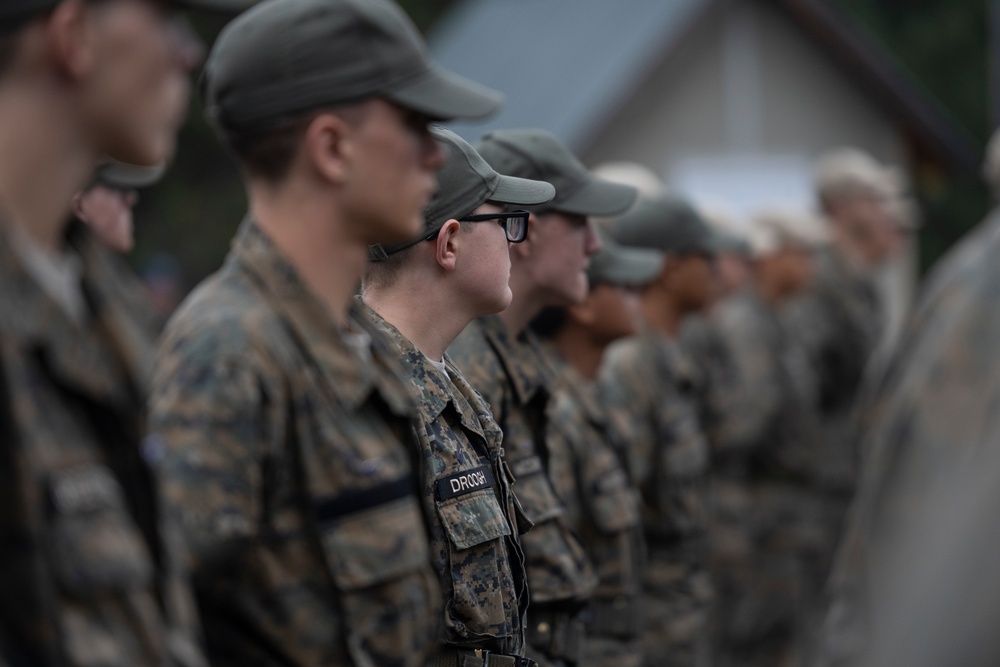
Tuition-free National Guard program in Pierce, Idaho for at-risk teens ages 15½-18. Cadets earn up to 14 high school credits in a 22-week residential phase.

Sunburst Youth Challenge Academy
Los Alamitos, CA
Sunburst Youth Challenge Academy in Los Alamitos is a free 5.5-month residential California National Guard program where teens ages 16-18 can earn up to 65 high school credits.
Washington Youth Challenge Academy
Bremerton, WA
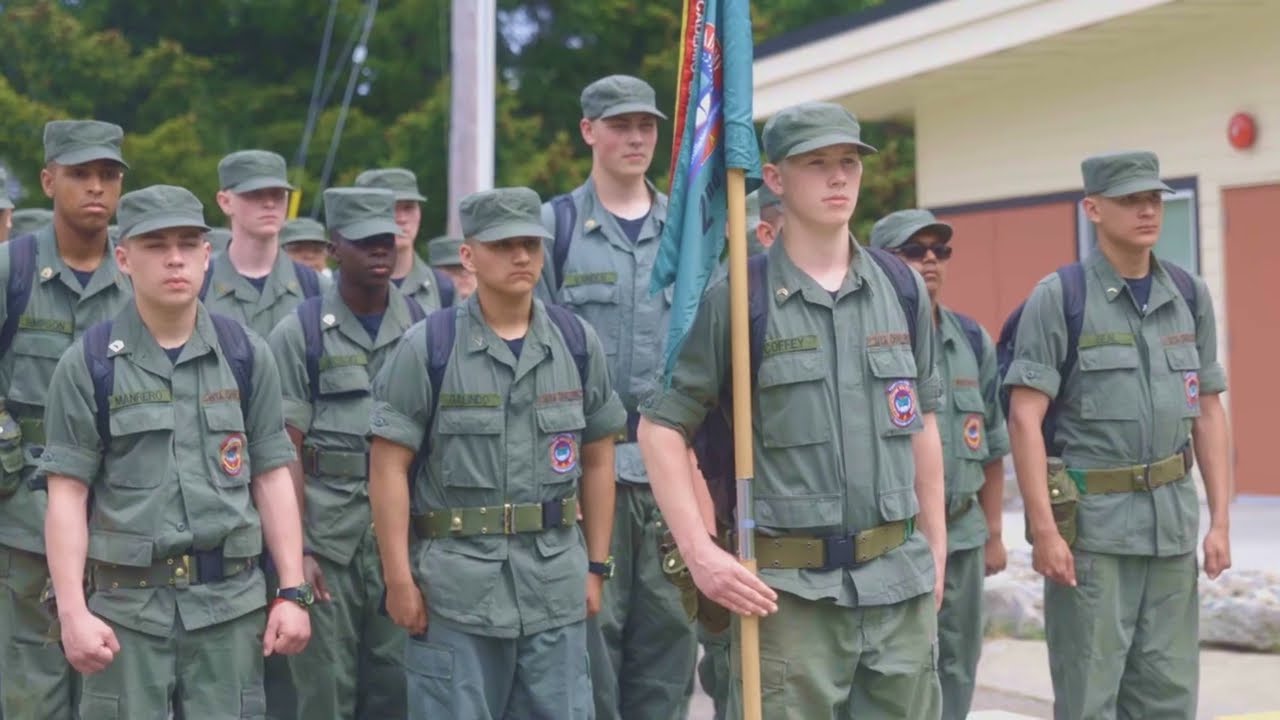
Tuition-free 22-week National Guard residential program in Bremerton for at-risk Washington teens ages 15-18, offering up to 8.0 credits of high school credit recovery.
Guides & Resources
National Guard Youth Challenge Academies: What to Expect
Free 22-week National Guard residential programs for teens 16-18 who are behind in school. Eligibility, what to expect, and the academy in your state.
Free Military Schools: 4 Tuition-Free Options
Yes — four options charge no tuition: public military academies, charter schools, service academies, and Youth Challenge. Private boarding runs $25,500-$67,000.
Military School vs. Therapeutic Boarding School
Military schools build leaders; therapeutic programs treat crises. Compare purpose, staff, and cost — $30,000-$65,000 a year vs. $10,000-$20,000 a month.
Do Military Schools Allow Phones? The Digital Detox
Most military schools collect phones on weekdays. What happens when a teen spending 7+ hours a day on screens loses them for months? What parents report—and why.
The 10 Best Military Schools in America (2026)
Culver Academies leads our 2026 top 10 of America's best military schools — plus best-value, free, boys, girls, and college-prep picks, with verified tuition.
How to Evaluate a Military School Like an Insider
How to evaluate a military school before you enroll: read the Cadet Handbook, eat in the mess hall, and watch for 6 red flags that reveal the real culture.