
Idaho Youth Challenge Academy
Pierce, ID
"The mission of the Idaho Youth Challenge Academy is to intervene in and reclaim the lives of at-risk youth to produce program graduates with the values, skills, education and self-discipline necessary to succeed as responsible and productive citizens."
National Guard Youth Challenge Program
Free Intervention Program for At-Risk Youth Ages 16-18
At a Glance
Established
2014
Program Type
Youth Challenge
Administered By
National Guard
State
Idaho
Accreditations
The Verdict
Since opening its first class in January 2014, the Idaho Youth Challenge Academy has graduated over 2,400 Idaho students. Located in the remote mountain town of Pierce at 3,094 feet elevation, IDYCA offers Idaho residents aged 15½ to 18 a completely free 22-week residential program that combines quasi-military structure with fully accredited high school instruction.
Cadets can earn up to 14 high school credits taught by credentialed teachers from Joint School District #171. In September 2025, the Academy dedicated a new $15 million, 18,000-square-foot barracks named in honor of former Governor C.L. "Butch" Otter. With recent graduating classes exceeding 130 cadets, IDYCA continues to transform lives at no cost to Idaho families.
Campus & Cadet Life
About
Tuition-free National Guard program in Pierce, Idaho for at-risk teens ages 15½-18. Cadets earn up to 14 high school credits in a 22-week residential phase.
Admissions & Selectivity
Admissions Philosophy
developmental
Key Requirements
- Must be an Idaho state resident
- Ages 15-1/2 to 18 years old (must turn 16 by graduation date if 15-1/2)
- U.S. citizen or legal resident
- Dropped out of or at-risk of dropping out of high school
- Unemployed or underemployed
- Physically and mentally capable of full program participation
- Drug-free upon enrollment and willing to remain drug-free
- Not on parole or probation for other than juvenile offenses
- Not awaiting sentencing, under indictment, or convicted of a felony
- Participation is entirely voluntary
Location
Program Details
Eligible Ages
16-18 years old
Residential Phase
22 weeks
Mentorship Phase
12 months
Cost
FREE
Annual Enrollment
126
Gender
coed
Eligibility
State Resident
Participation
Voluntary
Barracks Life
Housing Type
barracks
Daily Schedule
Cadets follow a highly structured quasi-military schedule throughout the 22-week residential phase. The program begins with a two-week Acclimation Phase designed to identify students with the desire and discipline to complete the program. Those who successfully complete Acclimation enter the 20-week Residential Phase where the emphasis is on the Eight Core Component curriculum: Academic Excellence, Leadership and Followership, Life Coping Skills, Job Skills, Service to the Community, Responsible Citizenship, Health and Hygiene, and Physical Fitness. Students referred to as Cadets must meet military grooming standards, wear military-type uniforms, and observe standard military customs and courtesies. The final 12-month Post-Residential Phase involves skilled mentors helping graduates achieve their Post Residential Action Plan (PRAP) goals. The campus provides 24-hour supervision by Master Sergeants and Tech Sergeants from various military branches, with video surveillance on all grounds.
Discipline Model
IDYCA operates in a quasi-military format emphasizing self-discipline, personal responsibility, and positive motivation. The program is NOT a boot camp, detention facility, or treatment center—it is a holistic, fully-accredited residential high school academy utilizing discipline and structure to ensure a productive learning environment. Participation is entirely voluntary, and cadets must demonstrate the desire to be there. The discipline model focuses on building values, skills, education, and self-discipline necessary for productive citizenship. Cadets progress through the program by showing improvement in each of the Eight Core Components, working with their adult volunteer mentor to develop personal goals. The remote Pierce location provides a distraction-free environment ideal for focused personal development and academic recovery.
Program Outcomes
Success Metrics
IDYCA partners with Joint School District #171 to deliver fully accredited coursework taught by one principal and eight credentialed teachers. Cadets can earn up to 14 high school credits during the 5-1/2 month residential phase, with options to earn a high school diploma, return to their home school, or obtain a GED. Approximately 75% of graduates return to complete high school, 10-12% pursue the GED route, and about 20% of each class earns their diploma while enrolled. The vocational component includes aptitude testing using the MEPS (Military Entrance Processing Station) exam to identify career interests, plus actual interview training with real job applications and employer interviews before graduation. Within one year of completion, 85% of graduates are either in school, employed, or serving in the military.
Post-Program Pathways
N/A (program focuses on credit recovery and high school completion)
Note: Youth Challenge programs focus on GED completion, credit recovery, and life skills development—not traditional college prep metrics.
Physical Training
Physical Fitness Program
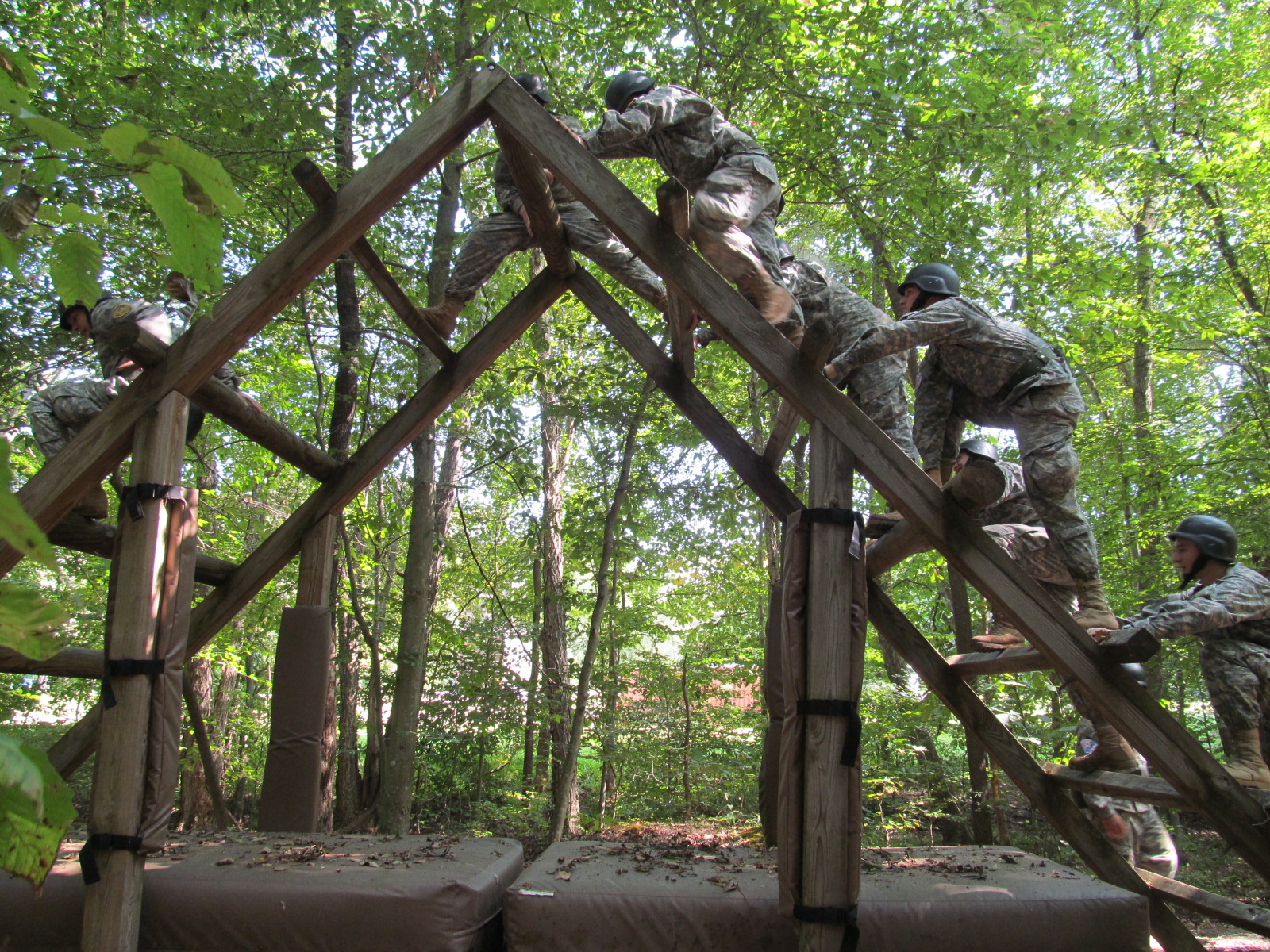
Physical Fitness is one of the Eight Core Components that cadets must develop throughout the 22-week residential phase. The PT program builds endurance, strength, discipline, and teamwork while instilling healthy habits that extend beyond graduation. All cadets participate regardless of prior fitness level, with the program designed to progressively develop physical capabilities alongside academic and personal growth. An experienced nurse practitioner is on-site Monday through Friday, with a CNA available on weekends to assist with any Physical Education-related injuries and common health needs.
Physical Activities
Facilities
The remote Pierce campus at 3,094 feet elevation features barracks-style residential housing, academic classrooms with credentialed instruction from Joint School District #171, physical training areas, and drill fields. In September 2025, the Academy dedicated a new $15 million, three-story, 18,000-square-foot barracks named in honor of former Governor C.L. 'Butch' Otter, designed to improve safety and expand capacity for up to 180 students and cadre members. The facility includes sleeping quarters, meeting rooms, and training rooms to support the academy's programs. The campus environment, nestled in the woods of northern Idaho, eliminates outside distractions and provides a focused setting for personal development and academic recovery.
Note: Youth Challenge programs emphasize physical fitness as one of the Eight Core Components, focusing on building endurance, strength, and healthy habits rather than varsity athletics.
Related Schools
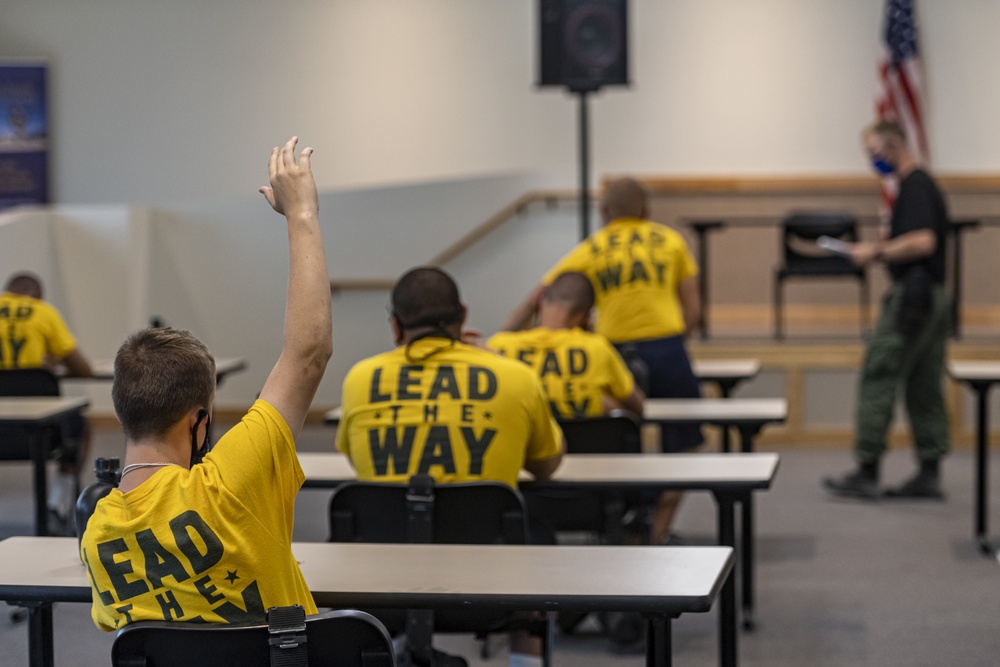
Battle Born Youth Challenge Academy
Carlin, NV
Battle Born Youth Challenge Academy in Carlin is Nevada's tuition-free National Guard program for at-risk youth ages 16-18 — 22 weeks of credit recovery and life skills.
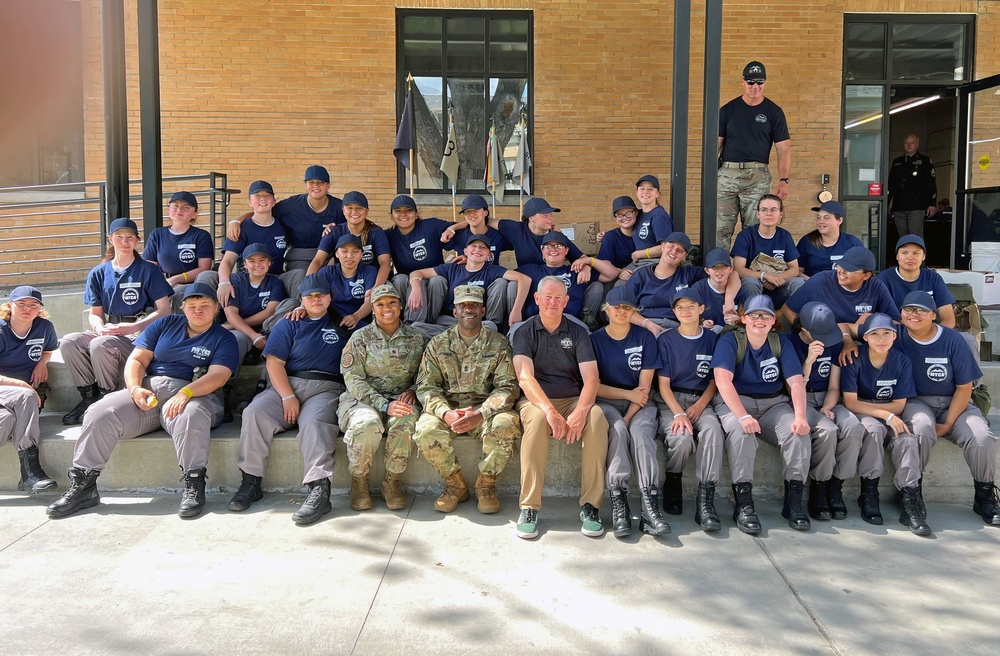
Montana Youth Challenge Academy
Dillon, MT
Montana Youth Challenge Academy is a tuition-free 22-week National Guard program in Dillon for Montana teens ages 16-18, on the University of Montana Western campus.
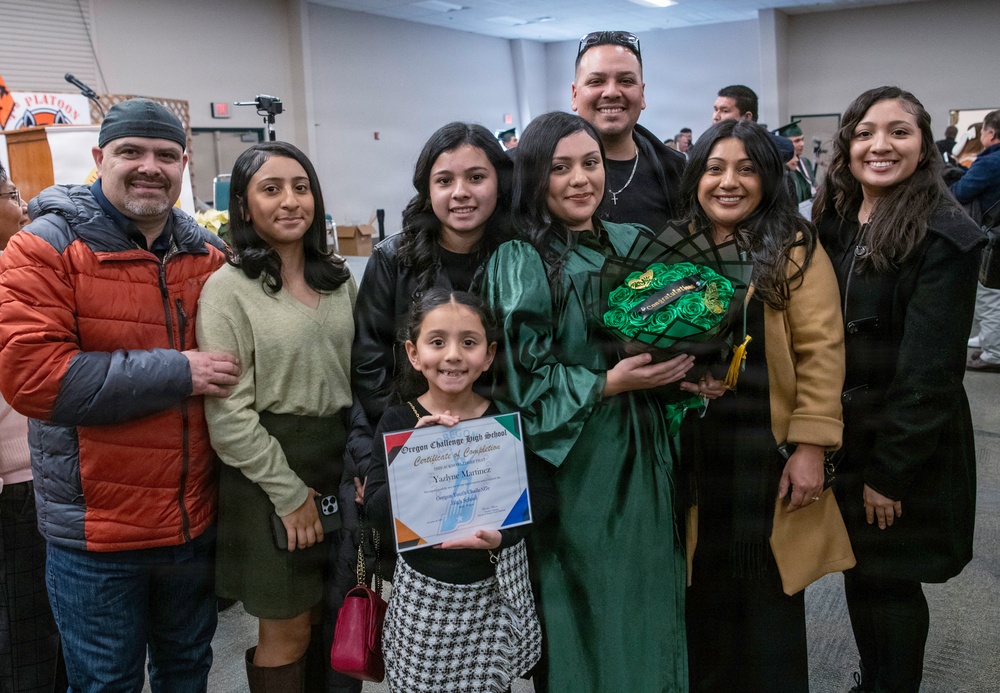
Oregon Youth Challenge High School
Bend, OR
The Oregon Youth Challenge Program is a tuition-free 17-month National Guard program in Bend for teens 15-18—22 residential weeks plus mentoring toward a diploma or GED.
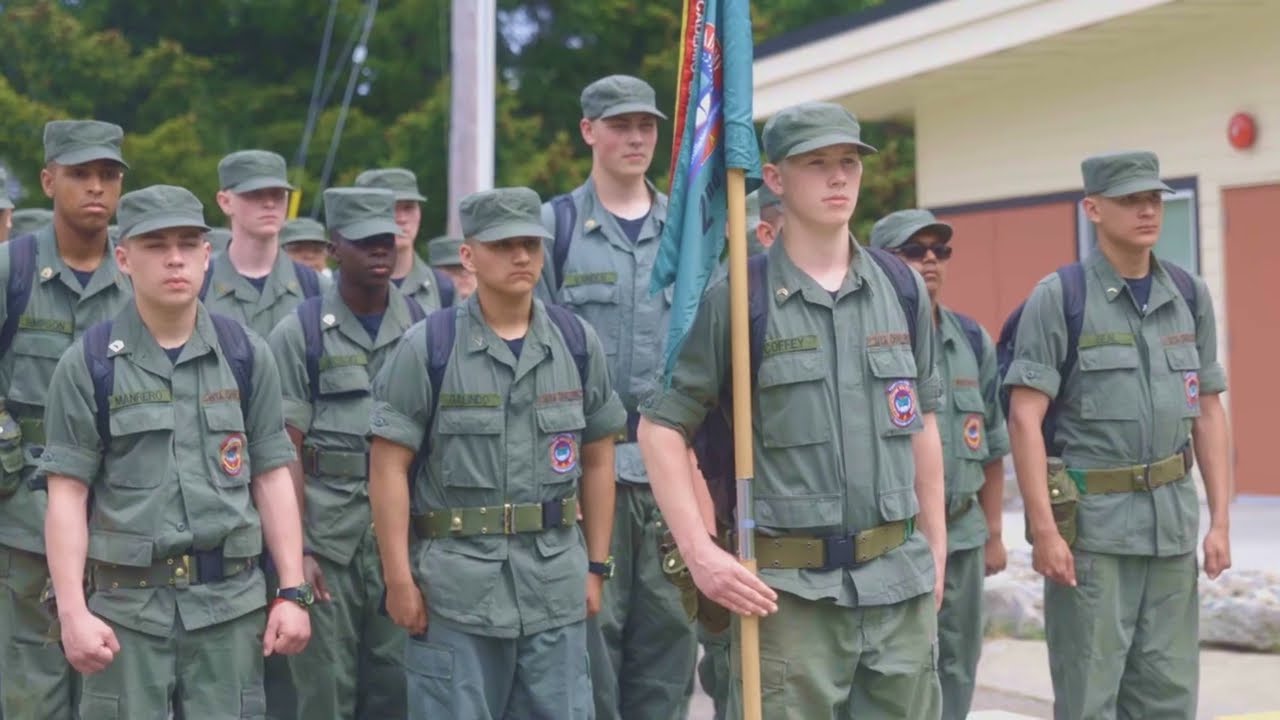
Washington Youth Challenge Academy
Bremerton, WA
Tuition-free 22-week National Guard residential program in Bremerton for at-risk Washington teens ages 15-18, offering up to 8.0 credits of high school credit recovery.

Alaska Military Youth Academy
JBER, AK
Tuition-free 22-week National Guard Youth Challenge program at Joint Base Elmendorf-Richardson for at-risk Alaska youth ages 16-18. Coed, residential, founded 1994.
Appalachian Challenge Academy
Grays Knob, KY
Free 22-week Kentucky National Guard Youth Challenge program in Grays Knob for at-risk 16-18-year-olds: GED completion, high school credits, and trade certifications.
Guides & Resources
National Guard Youth Challenge Academies: What to Expect
Free 22-week National Guard residential programs for teens 16-18 who are behind in school. Eligibility, what to expect, and the academy in your state.
Free Military Schools: 4 Tuition-Free Options
Yes — four options charge no tuition: public military academies, charter schools, service academies, and Youth Challenge. Private boarding runs $25,500-$67,000.
Military School vs. Therapeutic Boarding School
Military schools build leaders; therapeutic programs treat crises. Compare purpose, staff, and cost — $30,000-$65,000 a year vs. $10,000-$20,000 a month.
Military High Schools: Free Public, Charter & Boarding
The U.S. has 50+ military high schools — most are tuition-free. Compare public and charter academies, private boarding schools, and free Youth Challenge programs.
Using a 529 Plan for Military School Tuition
As of 2026, 529 plans can pay up to $20,000 per year of K-12 military school tuition under federal law — double the old cap. See what qualifies and the state tax caveats.
The 10 Best Military Schools in America (2026)
Culver Academies leads our 2026 top 10 of America's best military schools — plus best-value, free, boys, girls, and college-prep picks, with verified tuition.