
Washington Youth Challenge Academy
Bremerton, WA
"Today's Challenge...Tomorrow's Success"
National Guard Youth Challenge Program
Free Intervention Program for At-Risk Youth Ages 16-18
At a Glance
Established
2009
Program Type
Youth Challenge
Administered By
National Guard
State
Washington
The Verdict
Since opening its doors in 2009, the Washington Youth Challenge Academy has graduated over 4,000 at-risk youth—consistently ranking among the top three National Guard Youth Challenge programs nationwide. Located at Camp Bremerton on the Kitsap Peninsula, WYCA offers Washington state residents aged 15-18 a completely free 22-week residential program that combines military-style structure with accredited academic instruction.
Cadets can recover up to 8.0 high school credits (approximately 1.3 years of coursework) taught by OSPI-certified teachers, with the goal of returning graduates to their home high schools to graduate on time with their peers. The program was designated an Innovative School by the Washington Legislature and OSPI in 2011, and received a 96% score on its National Guard Bureau audit in 2012. Embodying their motto "Today's Challenge...Tomorrow's Success," WYCA continues to transform lives through education, mentorship, and structured discipline at no cost to families.
Campus & Cadet Life
About
Tuition-free 22-week National Guard residential program in Bremerton for at-risk Washington teens ages 15-18, offering up to 8.0 credits of high school credit recovery.
Admissions & Selectivity
Admissions Philosophy
developmental
Key Requirements
- Must be a Washington state resident
- Ages 15-18 years old
- U.S. citizen or lawful permanent resident (green card holder)
- Dropped out of or at-risk of dropping out of high school
- Physically and mentally capable of full program participation
- Drug-free and willing to remain drug-free throughout the program
- No pending legal matters or felony adjudications
- Participation is entirely voluntary
Location
Program Details
Eligible Ages
16-18 years old
Residential Phase
22 weeks
Mentorship Phase
12 months
Cost
FREE
Annual Enrollment
140
Gender
coed
Eligibility
State Resident
Participation
Voluntary
Barracks Life
Housing Type
barracks
Daily Schedule
Cadets follow a highly structured quasi-military schedule beginning with wake-up at 4:45 AM followed by Physical Training from 5:00-6:15 AM. Academic instruction runs from 8:30 AM to 3:45 PM with lunch included. An additional seventh period provides extra support for students needing remediation. The schedule includes homework time, drill practice, and personal time before Lights Out at 7:45 PM, ensuring cadets receive nine hours of sleep. The 147-day residential phase includes up to 4 days for home visits and Launch Placement activities. Throughout the program, cadets are immersed in the eight core components: academics, physical fitness, health and hygiene, citizenship, life skills, job skills, leadership/followership, and service to community.
Discipline Model
WYCA operates in a quasi-military format emphasizing structure, discipline, and consistency. The program creates a distraction-free environment where cadets develop personal accountability through a chain of command structure. The discipline model focuses on building values, skills, education, and self-discipline necessary for productive citizenship. Cadets progress through the program by demonstrating adherence to standards and growth in all eight core components. Unlike juvenile detention facilities, participation is entirely voluntary—cadets must choose to be there and commit to the program's expectations. The two-year post-residential phase provides continued mentorship and support after graduation.
Program Outcomes
Success Metrics
WYCA partners with the Office of the Superintendent of Public Instruction (OSPI) to deliver accredited coursework taught by certified teachers. Graduates can recover up to 8.0 high school credits, with the primary goal of returning to their home high school to graduate on time with their peers. Many graduates pursue post-secondary education, vocational training, or military service. The program's 60%+ GED/diploma completion rate significantly exceeds the 41% national average for similar at-risk populations, demonstrating the effectiveness of the structured academic approach.
Post-Program Pathways
N/A (program focuses on credit recovery and high school completion)
Note: Youth Challenge programs focus on GED completion, credit recovery, and life skills development—not traditional college prep metrics.
Physical Training
Physical Fitness Program
Physical Training (PT) is a cornerstone of the WYCA experience, conducted daily from 5:00-6:15 AM as part of the structured quasi-military schedule. Physical fitness is one of the eight core components cadets must develop throughout the 22-week residential phase. The PT program builds endurance, strength, discipline, and teamwork while instilling healthy habits that extend beyond graduation. All cadets participate regardless of prior fitness level, with the program designed to progressively develop physical capabilities alongside academic and personal growth.
Physical Activities
Facilities
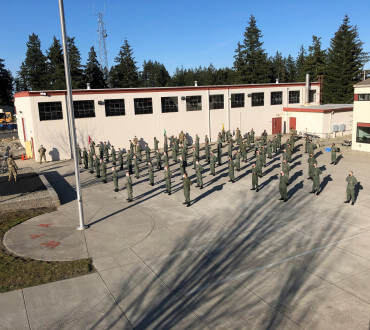
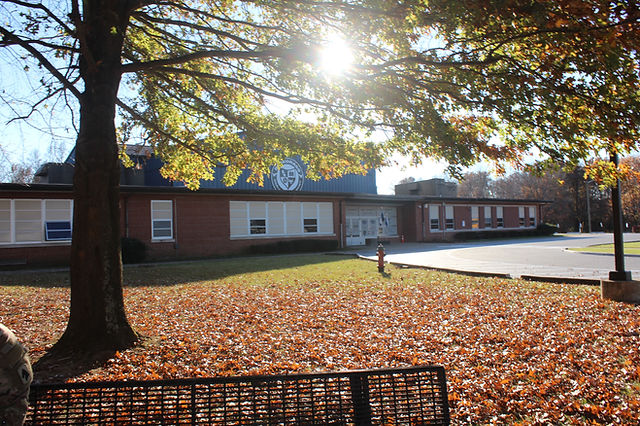
The Camp Bremerton campus features barracks-style residential housing, academic classrooms with OSPI-certified instruction, physical training areas, drill fields, and community gathering spaces. The facility serves approximately 276 cadets annually across multiple class cycles, with recent classes exceeding 150 graduates. The campus environment is designed to eliminate outside distractions and provide a focused setting for personal development and academic recovery.
Note: Youth Challenge programs emphasize physical fitness as one of the Eight Core Components, focusing on building endurance, strength, and healthy habits rather than varsity athletics.
Photo Gallery
Related Schools
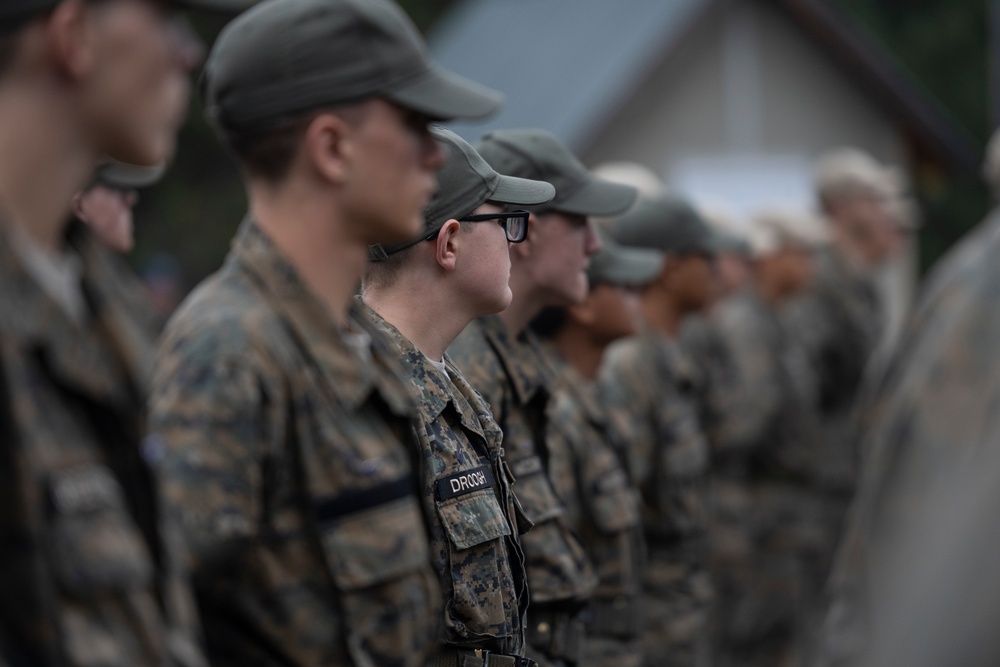
Idaho Youth Challenge Academy
Pierce, ID
Tuition-free National Guard program in Pierce, Idaho for at-risk teens ages 15½-18. Cadets earn up to 14 high school credits in a 22-week residential phase.
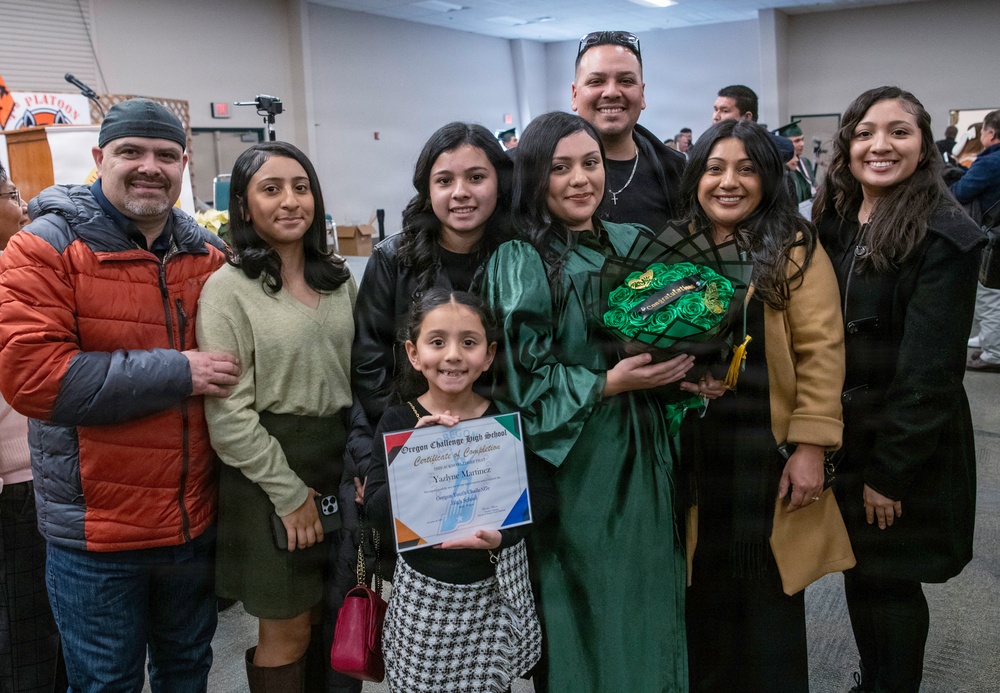
Oregon Youth Challenge High School
Bend, OR
The Oregon Youth Challenge Program is a tuition-free 17-month National Guard program in Bend for teens 15-18—22 residential weeks plus mentoring toward a diploma or GED.

Alaska Military Youth Academy
JBER, AK
Tuition-free 22-week National Guard Youth Challenge program at Joint Base Elmendorf-Richardson for at-risk Alaska youth ages 16-18. Coed, residential, founded 1994.
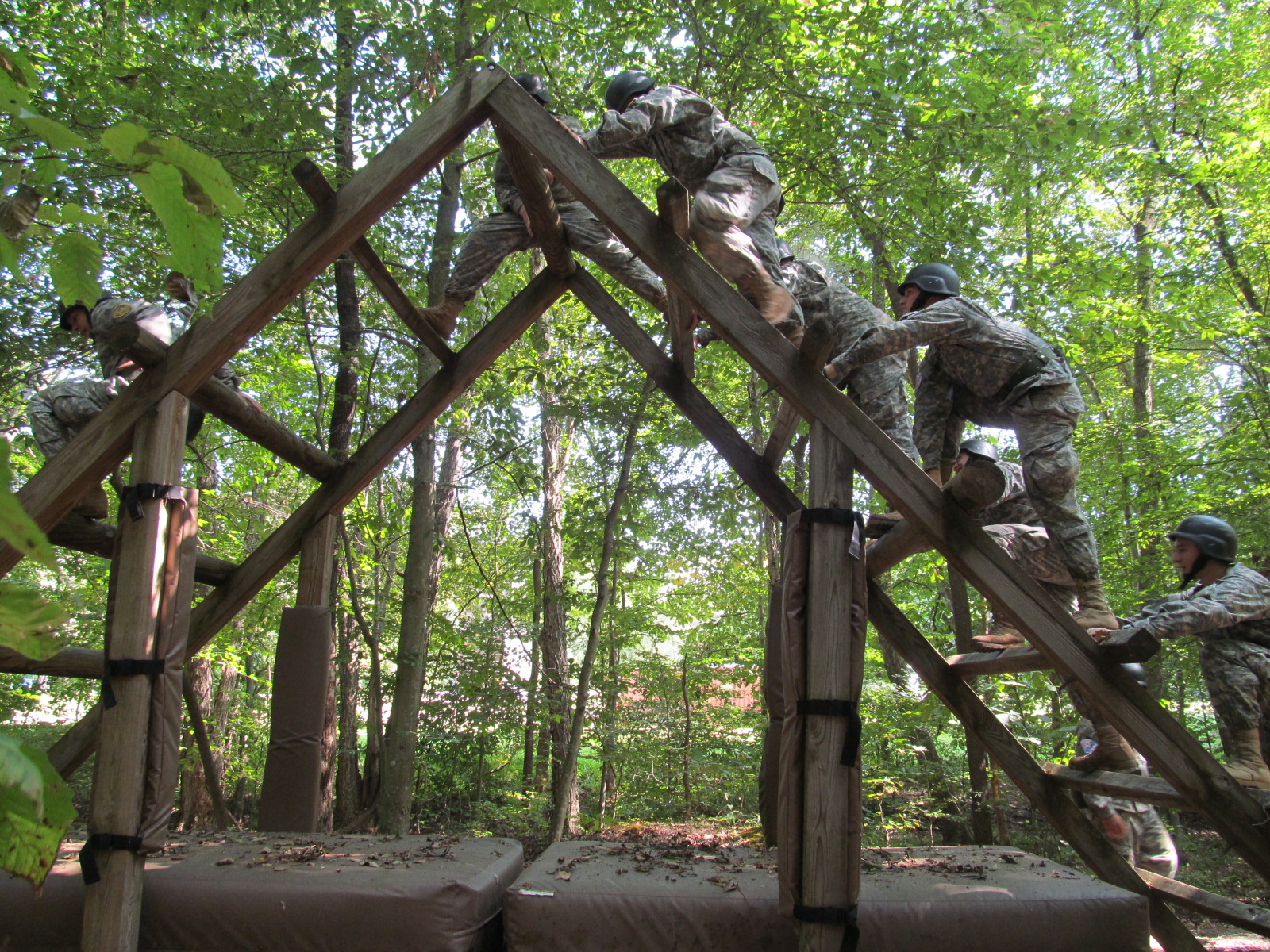
Appalachian Challenge Academy
Grays Knob, KY
Free 22-week Kentucky National Guard Youth Challenge program in Grays Knob for at-risk 16-18-year-olds: GED completion, high school credits, and trade certifications.
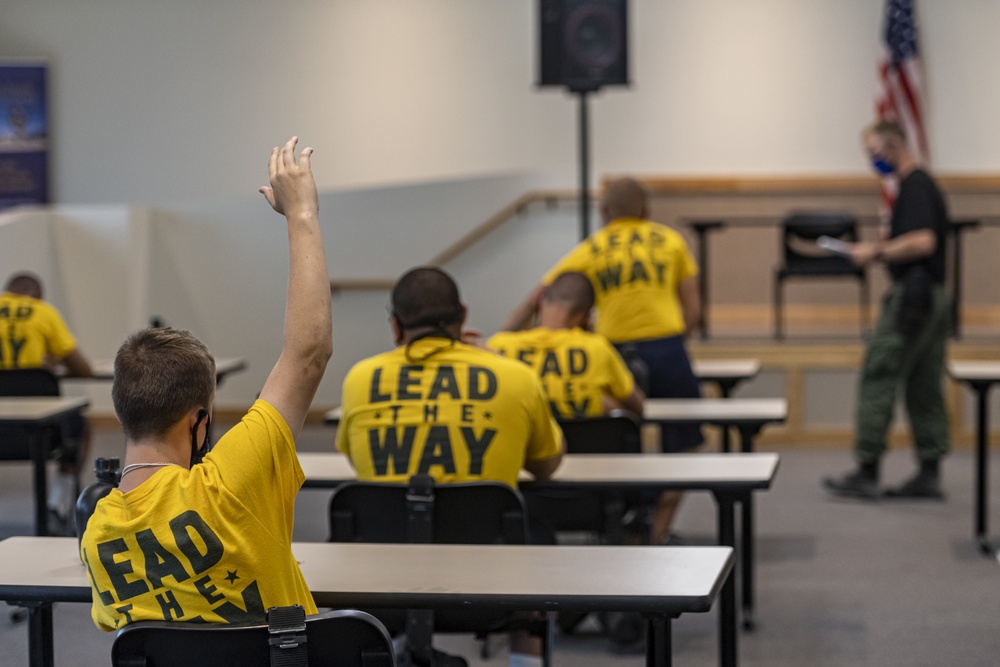
Battle Born Youth Challenge Academy
Carlin, NV
Battle Born Youth Challenge Academy in Carlin is Nevada's tuition-free National Guard program for at-risk youth ages 16-18 — 22 weeks of credit recovery and life skills.
Bluegrass Challenge Academy
Fort Knox, KY
Free 22-week Kentucky National Guard Youth Challenge program at Fort Knox for at-risk 16-18-year-olds: GED completion, credit recovery, and 12-month mentoring.
Guides & Resources
National Guard Youth Challenge Academies: What to Expect
Free 22-week National Guard residential programs for teens 16-18 who are behind in school. Eligibility, what to expect, and the academy in your state.
Free Military Schools: 4 Tuition-Free Options
Yes — four options charge no tuition: public military academies, charter schools, service academies, and Youth Challenge. Private boarding runs $25,500-$67,000.
Military School vs. Therapeutic Boarding School
Military schools build leaders; therapeutic programs treat crises. Compare purpose, staff, and cost — $30,000-$65,000 a year vs. $10,000-$20,000 a month.
Do Military Schools Allow Phones? The Digital Detox
Most military schools collect phones on weekdays. What happens when a teen spending 7+ hours a day on screens loses them for months? What parents report—and why.
What Disqualifies a Student from Military School?
Most behavioral issues won't bar admission—past suspensions, single incidents, truancy. See the 8 issues that typically disqualify a military school applicant.
Do Military School Credits Transfer? What to Verify
Credits from regionally accredited military schools transfer to any high school or college. Learn which accreditation to verify and 5 questions to ask first.