Georgia Youth Challenge Academy - Fort Stewart
Fort Stewart, GA
"Saving one youth at a time"
National Guard Youth Challenge Program
Free Intervention Program for At-Risk Youth Ages 16-18
At a Glance
Established
1993
Program Type
Youth Challenge
Administered By
National Guard
State
Georgia
The Verdict
Fort Stewart Youth Challenge Academy isn't a school for troubled kids—it's a second-chance launchpad for young Georgians ready to transform their lives. Since 1993, this National Guard program has graduated over 9,000 cadets through a free, 22-week military-style residential program.
The secret? Complete immersion. No cell phones, no distractions—just drill, academics, vocational training, and mentorship. Cadets earn an average of six high school credits (some earn up to fourteen), and many leave with industry certifications in culinary arts, automotive, construction, or medical assistance.
Campus & Cadet Life
About
Fort Stewart Youth Challenge Academy is Georgia's original free 22-week residential program for youth ages 16-18, with vocational training and 9,000+ graduates since 1993.
Admissions & Selectivity
Admissions Philosophy
developmental
Key Requirements
- Age 16-18 at time of enrollment
- Georgia resident
- U.S. citizen or permanent resident
- High school dropout or educationally at-risk
- Drug-free (mandatory drug testing)
- Not on parole or probation (except juvenile status offenses)
- No pending court dates or felony convictions
- Physically and mentally capable of completing program
- Voluntary commitment to change
Location
Program Details
Eligible Ages
16-18 years old
Residential Phase
22 weeks
Mentorship Phase
12 months
Cost
FREE
Gender
coed
Eligibility
State Resident
Participation
Voluntary
Barracks Life
Housing Type
barracks
Daily Schedule
Cadets follow a rigorous military-style schedule similar to Army Basic Combat Training. The 22-week residential phase begins with a two-week Pre-Challenge acclimation period focused on physical fitness, drill and ceremony, and adjustment to military discipline. Daily activities include physical training, barracks and latrine cleaning, academic classes, vocational training, and structured evening activities. The program emphasizes the Eight Core Components: academic excellence, job skills, responsible citizenship, service to community, life coping skills, leadership/followership, health and hygiene, and physical fitness.
Discipline Model
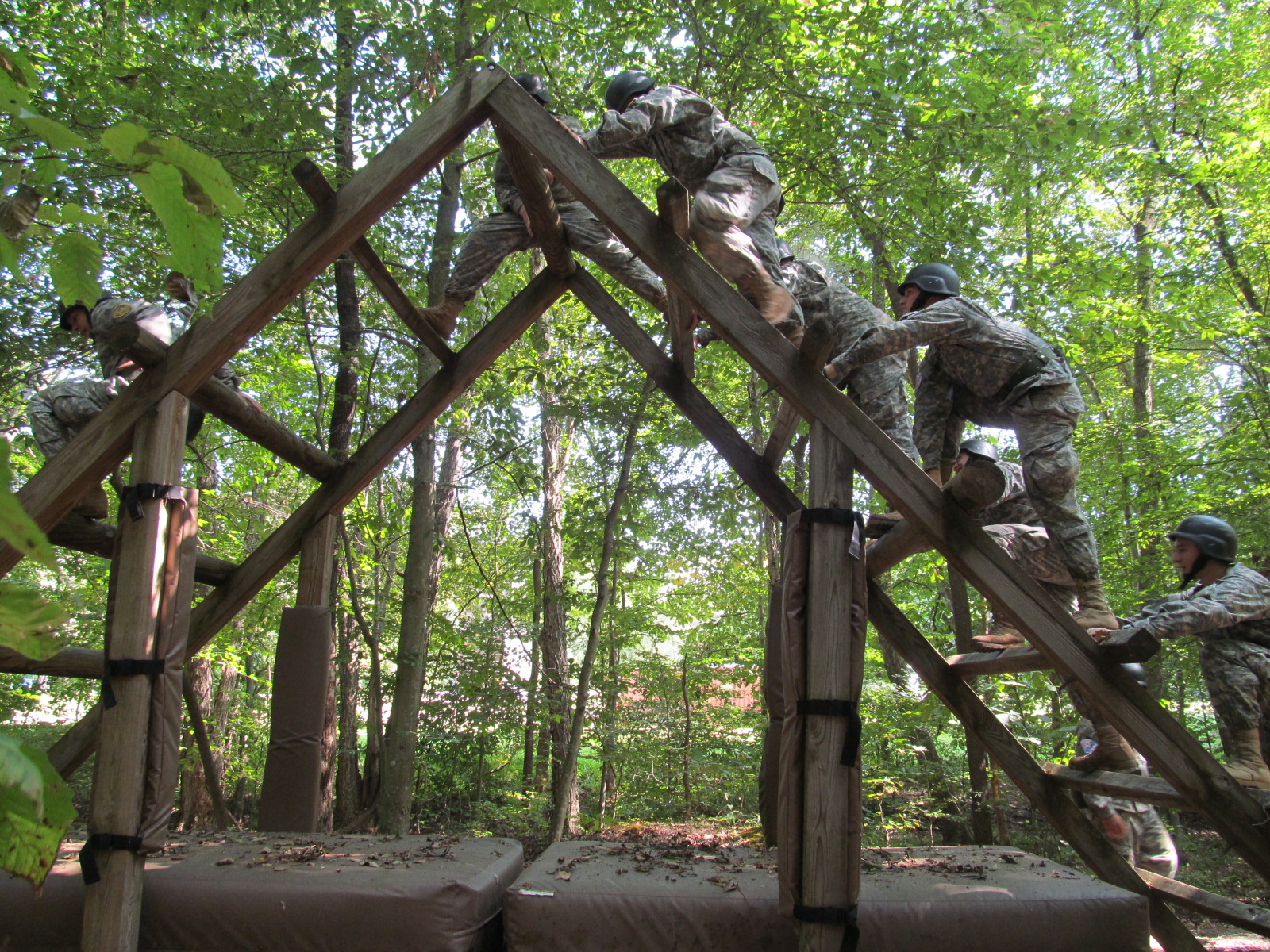
Military-style discipline modeled after U.S. Army customs and courtesies. Cadets learn military leadership, teamwork, drill and ceremony, and chain of command structure. The program requires minimum 40 hours of community service. Additional training includes rappelling, climbing, survival skills, CPR, and first aid. The structured environment emphasizes peer accountability, with cadets progressing through leadership roles. Classes start in January and July each year.
Program Outcomes
Success Metrics
45% continue education post-graduation
Post-Program Pathways
5% of graduates pursue military careers
Note: Youth Challenge programs focus on GED completion, credit recovery, and life skills development—not traditional college prep metrics.
Physical Training
Physical Fitness Program
Daily physical training is mandatory for all cadets. The fitness regimen mirrors Army Basic Combat Training standards and includes the FSYCA Physical Fitness Program with specific components and standards. Training encompasses team-based PT, drill in cadence, and activities designed to build physical endurance and mental resilience. Additional physical activities include rappelling, climbing, and survival training.
Physical Activities
Facilities
Campus located on Fort Stewart, the largest Army installation east of the Mississippi River. Cadets utilize military-grade training facilities including barracks, drill pads, physical training areas, academic classrooms, and vocational training workshops. Vocational facilities support certifications in Culinary Arts, Clinical Medical Assistance, Barbering, Forklift Operation, Automotive, and Construction trades.
Note: Youth Challenge programs emphasize physical fitness as one of the Eight Core Components, focusing on building endurance, strength, and healthy habits rather than varsity athletics.
Related Schools
Georgia Youth Challenge Academy - Fort Eisenhower
Fort Eisenhower, GA
Fort Eisenhower Youth Challenge Academy near Augusta, GA, is a free 22-week residential program where youth ages 16-18 earn a high school diploma. Classes start April and October.
Florida Youth Challenge Academy (Closed 2026)
Starke, FL
PERMANENTLY CLOSED (June 2026). Florida Youth Challenge Academy was a free 22-week residential National Guard program at Camp Blanding near Starke, FL, for ages 16-18 who had dropped out or fallen behind. The Florida National Guard ended the program after 25 years, citing operational demands; Class 50 graduated June 9, 2026, and no further applicants are accepted.
South Carolina Youth Challenge Academy
Eastover, SC
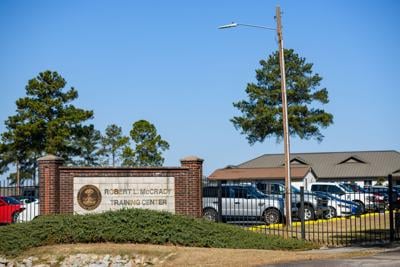
South Carolina Youth Challenge Academy is a free National Guard residential program in Eastover for ages 16-18, offering GED preparation, mentoring, and job training.
Tarheel Challenge Academy
Salemburg, NC
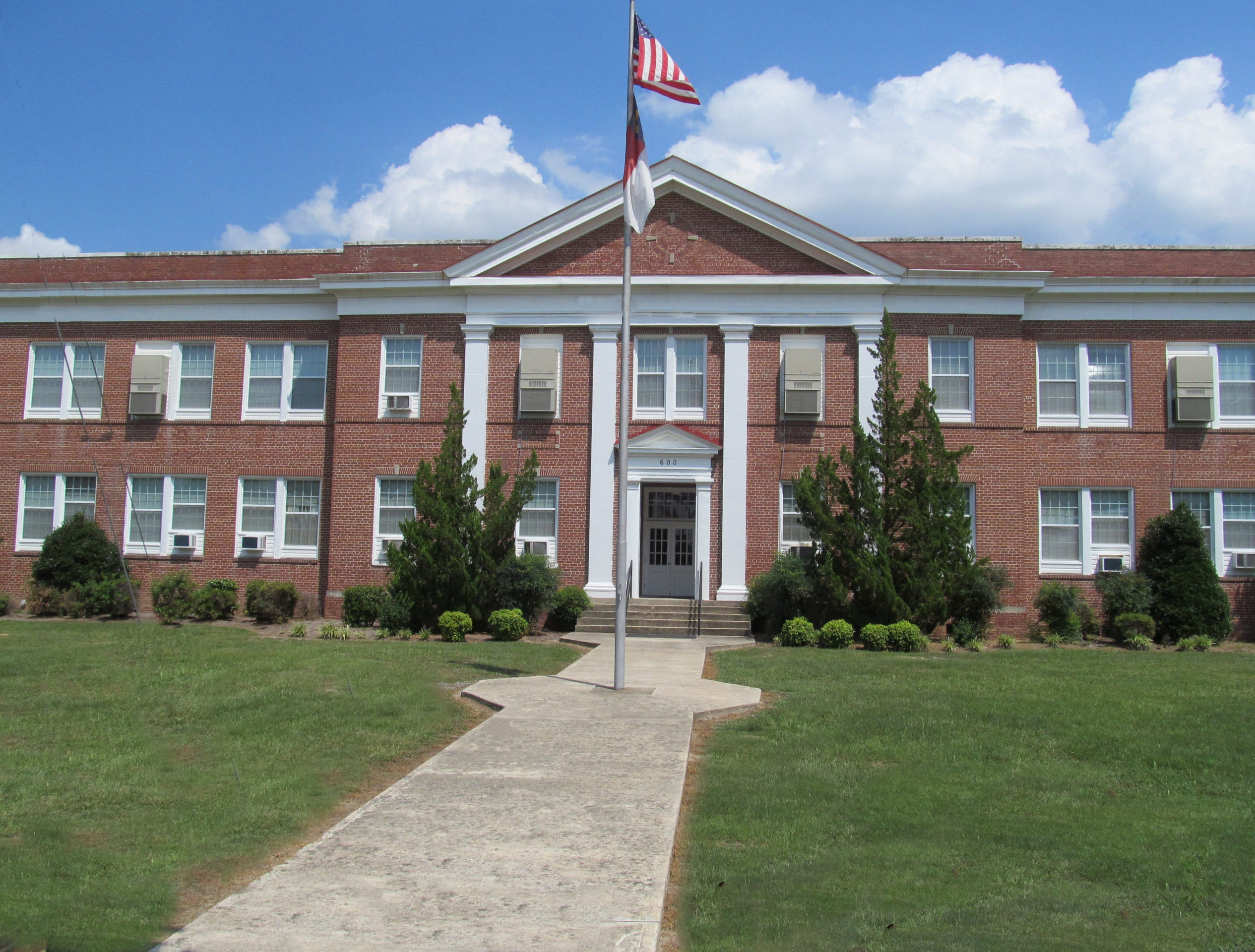
Tarheel Challenge Academy in Salemburg, NC is a tuition-free 22-week residential National Guard program for ages 16-18 who have dropped out or are behind in school.

Alaska Military Youth Academy
JBER, AK
Tuition-free 22-week National Guard Youth Challenge program at Joint Base Elmendorf-Richardson for at-risk Alaska youth ages 16-18. Coed, residential, founded 1994.
Appalachian Challenge Academy
Grays Knob, KY
Free 22-week Kentucky National Guard Youth Challenge program in Grays Knob for at-risk 16-18-year-olds: GED completion, high school credits, and trade certifications.
Guides & Resources
Georgia Special Needs Scholarship (SB10) for Military School
Georgia's SB10 scholarship gives students with IEPs or 504 Plans ~$6,000-$15,000+ toward private tuition — including military academies. How to qualify and apply.
National Guard Youth Challenge Academies: What to Expect
Free 22-week National Guard residential programs for teens 16-18 who are behind in school. Eligibility, what to expect, and the academy in your state.
Free Military Schools: 4 Tuition-Free Options
Yes — four options charge no tuition: public military academies, charter schools, service academies, and Youth Challenge. Private boarding runs $25,500-$67,000.
Military School vs. Therapeutic Boarding School
Military schools build leaders; therapeutic programs treat crises. Compare purpose, staff, and cost — $30,000-$65,000 a year vs. $10,000-$20,000 a month.
U.S. Military Schools for International Students
International students can attend U.S. military schools on an F-1 visa. What overseas families need: TOEFL 70-90+, proof of funding, and a 12-18 month timeline.
Cadet Life: Daily Schedule, Dorms & Roommates
What cadets actually do all day at military boarding school — the 6 AM to 10 PM schedule, room inspections, TAC officers, phone rules, and roommate life.