Tarheel Challenge Academy
Salemburg, NC
"Dream, Believe, Achieve. NOW"
National Guard Youth Challenge Program
Free Intervention Program for At-Risk Youth Ages 16-18
At a Glance
Established
1994
Program Type
Youth Challenge
Administered By
National Guard
State
North Carolina
The Verdict
North Carolina's original National Guard Youth Challenge Program, Tarheel Challenge Academy opened its doors in Salemburg on March 28, 1994, and has since become a six-time national award-winning academy. With over 7,000 graduates representing all 100 of North Carolina's counties, TCA has transformed the lives of at-risk youth for three decades.
The program boasts remarkable outcomes: approximately 450 graduates have enlisted in the Armed Forces and National Guard, over 54% have enrolled in college or trade school, and 90% remain employed, in school, or in the military after graduation. This completely tuition-free, 17-month program combines a 22-week residential phase with a 12-month mentoring period, offering struggling teens a genuine second chance.
About
Tarheel Challenge Academy in Salemburg, NC is a tuition-free 22-week residential National Guard program for ages 16-18 who have dropped out or are behind in school.
Admissions & Selectivity
Admissions Philosophy
open
Key Requirements
- Age 16 to 18 years old
- North Carolina resident
- U.S. citizen or permanent legal resident
- High school dropout or at-risk of not graduating
- Physically and mentally capable of full participation
- Drug-free at time of enrollment
- Not currently on probation or parole for a felony
- Voluntary enrollment (not court-ordered)
Location
Program Details
Eligible Ages
16-18 years old
Residential Phase
22 weeks
Mentorship Phase
12 months
Cost
FREE
Annual Enrollment
350
Gender
coed
Eligibility
State Resident
Participation
Voluntary
Barracks Life
Housing Type
barracks
Daily Schedule
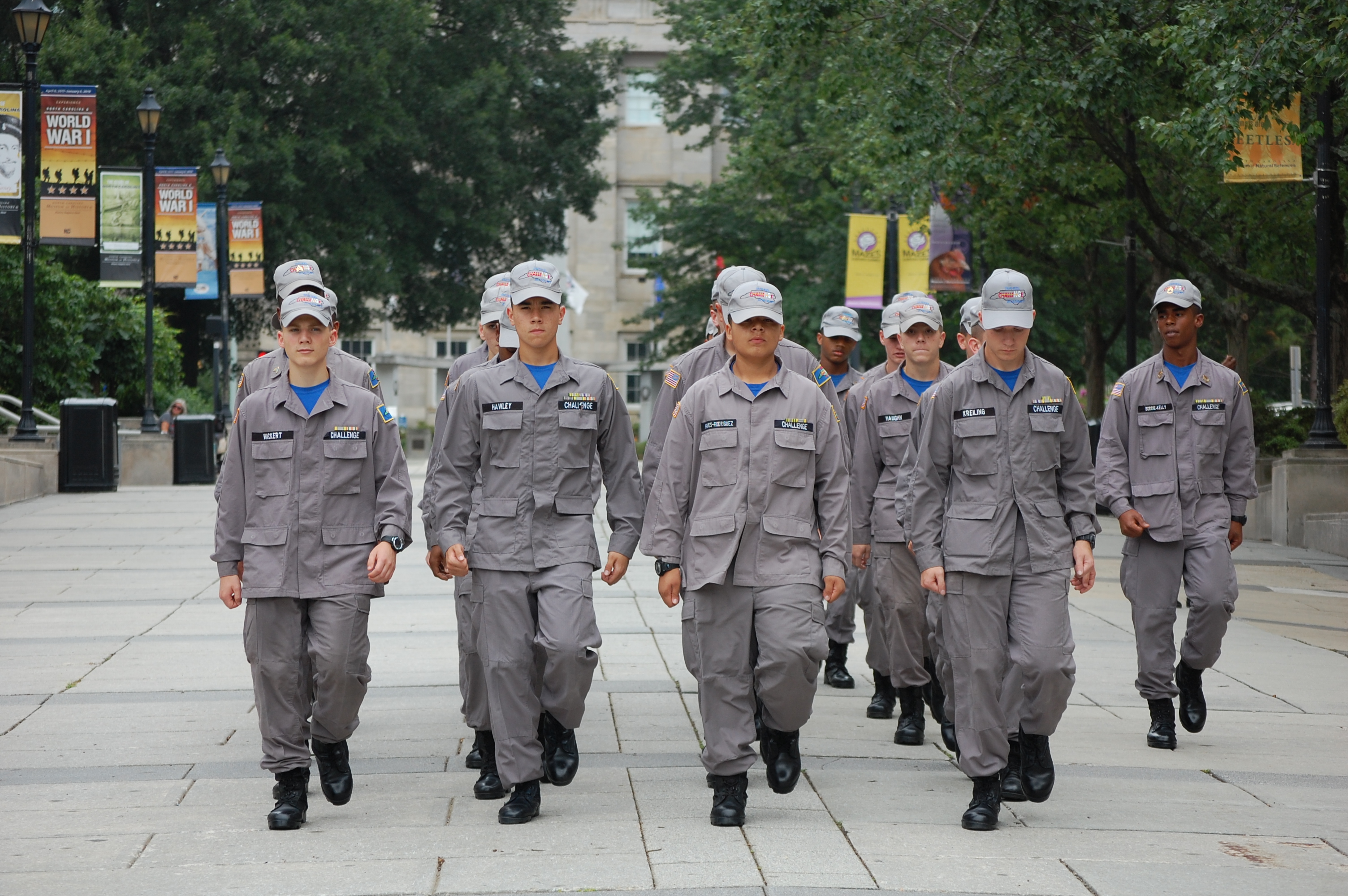
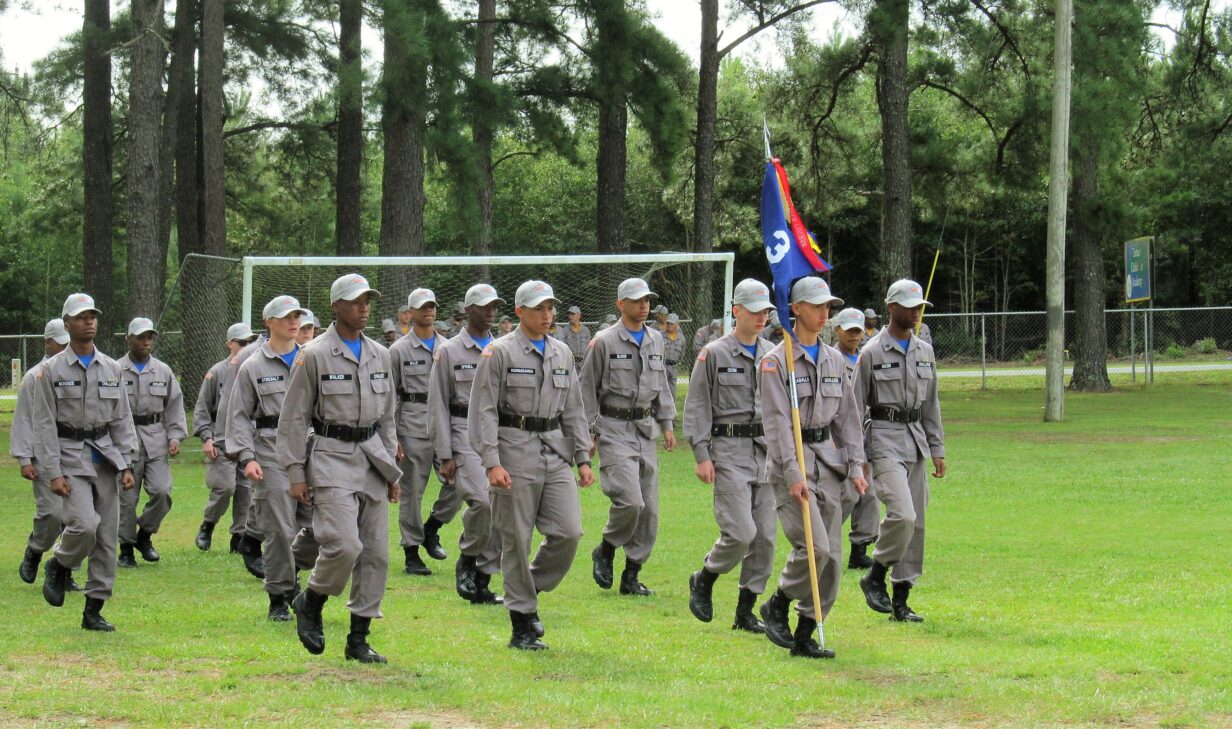
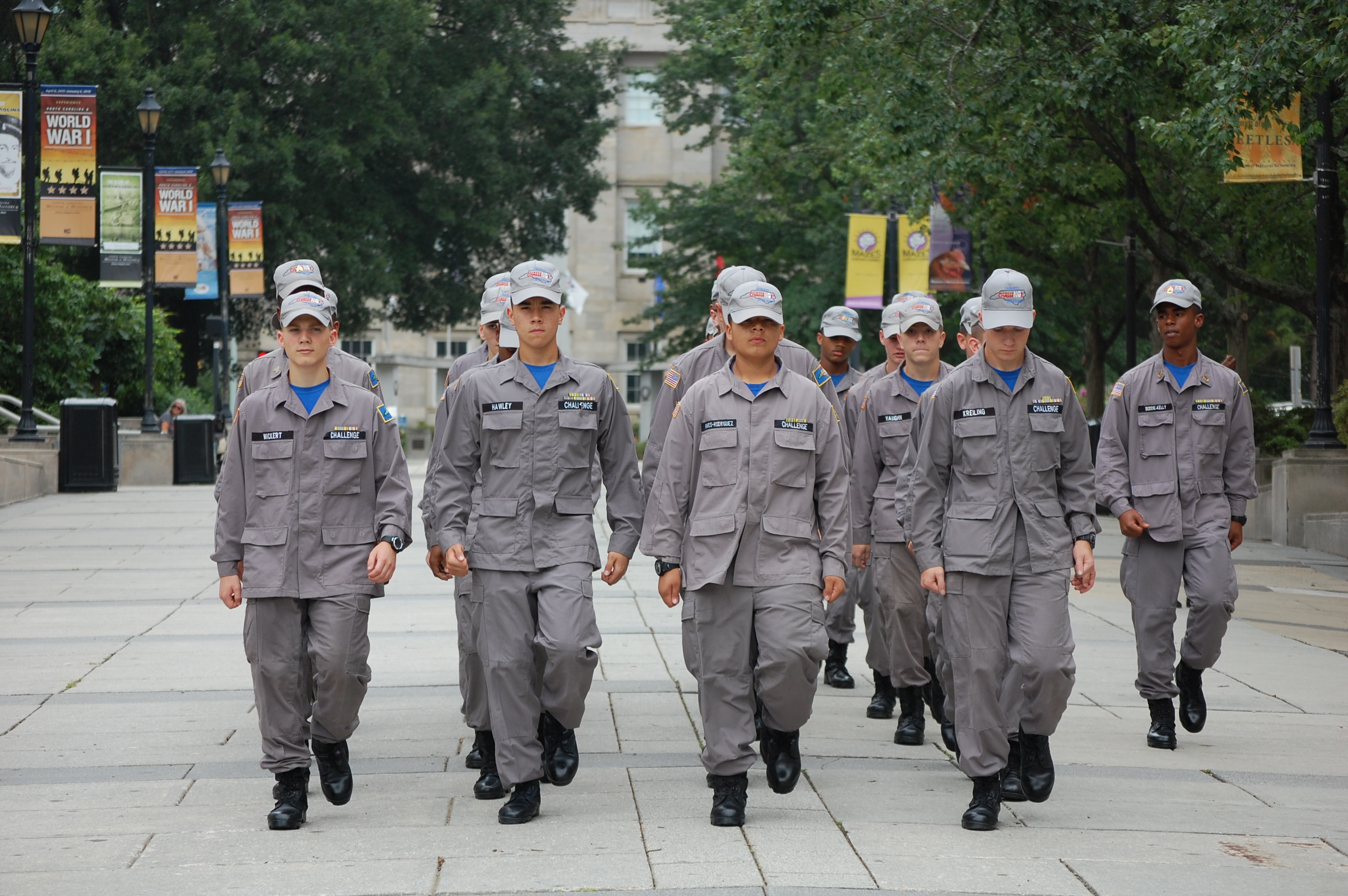
Cadets follow a highly structured military-style schedule beginning before 6:00 AM with personal hygiene, physical fitness training, making beds, and straightening living quarters before breakfast and first formation. The day includes academic classes, drill periods, leadership training, and structured activities. Cadets are supervised by cadre staff members 24 hours a day, 7 days a week throughout the residential phase. They wear uniforms, participate in daily physical training, attend classes, and learn to work within a structured and disciplined environment. The quasi-military atmosphere emphasizes life skills, self-discipline, teamwork, work ethics, respect for others, self-esteem, loyalty, and integrity.
Discipline Model
The quasi-military discipline model focuses on structure, accountability, and personal development rather than punishment. The program begins with a 2-week PreChallenge Phase that includes assessment, introduction to rules and expectations, military discipline, and teamwork. Candidates who complete this phase are formally enrolled as "cadets." The culture emphasizes the cadet motto "If it is to be, it is up to me," teaching personal responsibility and self-motivation. This is a voluntary program—not a boot camp, detention center, or court-ordered facility—requiring genuine commitment from both cadets and their families for success.
Program Outcomes
Success Metrics
Over 54% of graduates enroll in college or trade school. The program has awarded 4,366 High School Equivalencies (GED) and 693 High School Diplomas since 1994. Approximately 90% of graduates remain employed, in school, or in the military after completing the program. The 22-week residential phase focuses on the eight core components of the National Guard Youth Challenge Program, with academic excellence as a primary pillar.
Post-Program Pathways
While TCA focuses on foundational education and GED/diploma completion rather than service academy preparation, approximately 450 graduates have enlisted in the Armed Forces and National Guard since the program's inception. Many graduates pursue military careers in the U.S. Navy, Air Force, Army, Marine Corps, and National Guard. Some have gone on to attend The Citadel and other military colleges.
Note: Youth Challenge programs focus on GED completion, credit recovery, and life skills development—not traditional college prep metrics.
Physical Training
Physical Fitness Program
Daily physical training is a cornerstone of the TCA experience, beginning before 6:00 AM each morning. Physical fitness is one of the eight core components of the National Guard Youth Challenge Program. Cadets work on par with Army physical training regimens, including squad drills, leadership classes, team assault courses, land navigation, jump tower training, and three obstacle courses. The acclimation training prepares youth for the rigors of the 22-week residential program while building endurance, strength, discipline, and teamwork. All cadets participate regardless of prior fitness level.
Physical Activities
Facilities
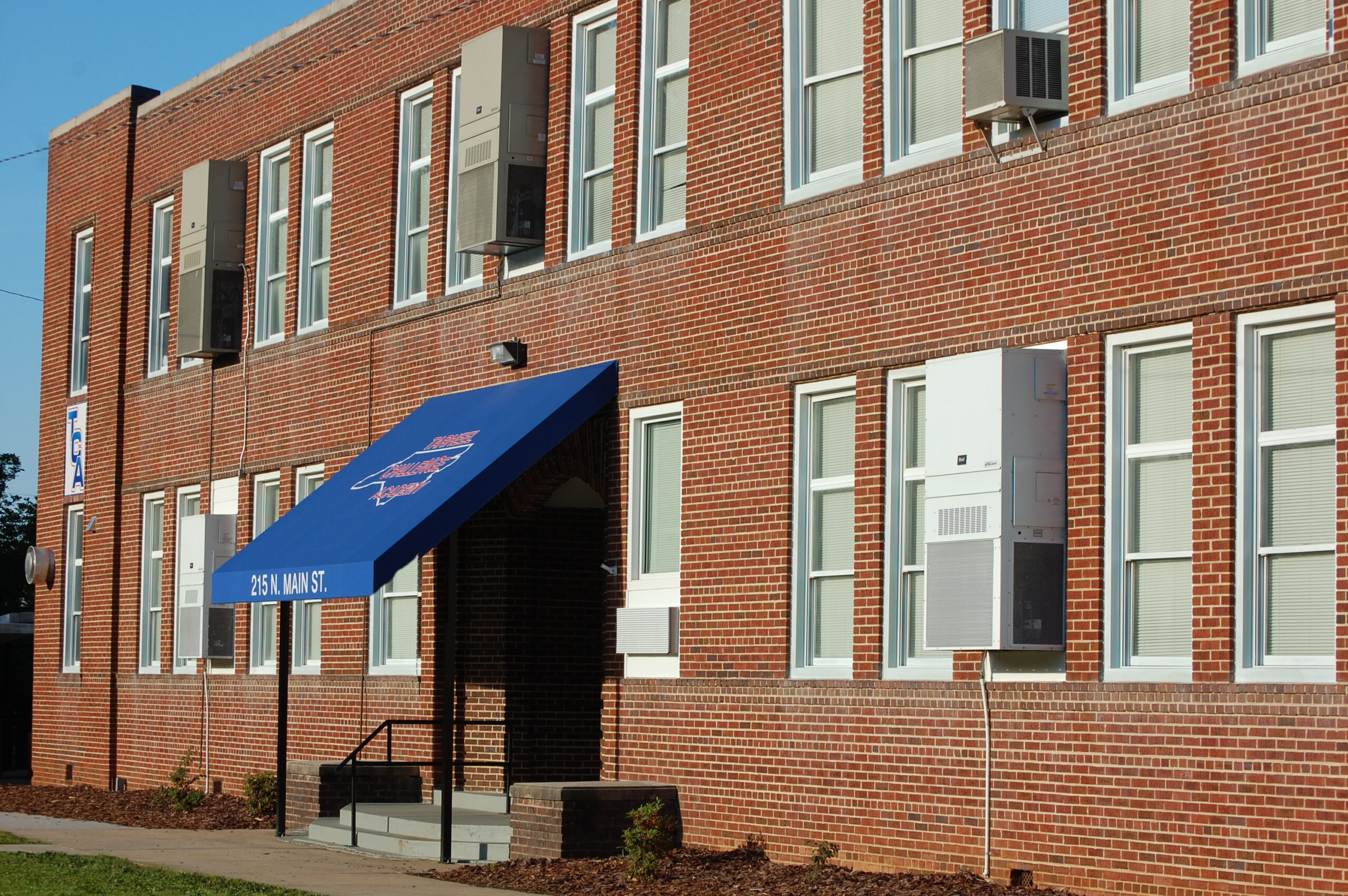
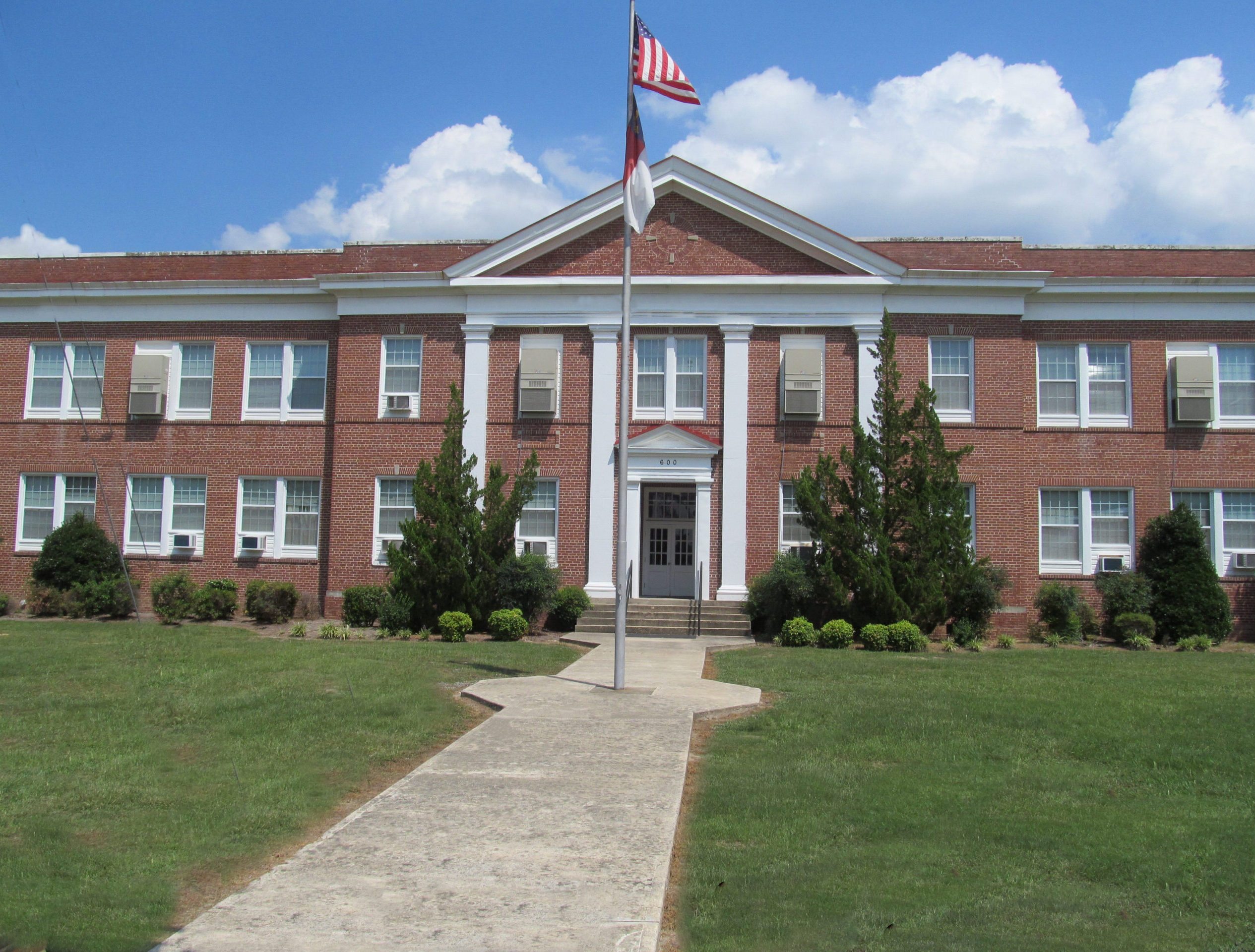
The Salemburg campus in Sampson County features barracks-style housing including a boys' dorm constructed with support from the SECU Foundation, academic classrooms, physical training areas, drill fields, obstacle courses, and outdoor training grounds. The rural eastern North Carolina setting provides ample space for physical training, drill and ceremony, land navigation exercises, and team-building activities. Cadets are supervised 24/7 throughout the residential phase in this structured quasi-military environment.
Note: Youth Challenge programs emphasize physical fitness as one of the Eight Core Components, focusing on building endurance, strength, and healthy habits rather than varsity athletics.
Photo Gallery
Related Schools
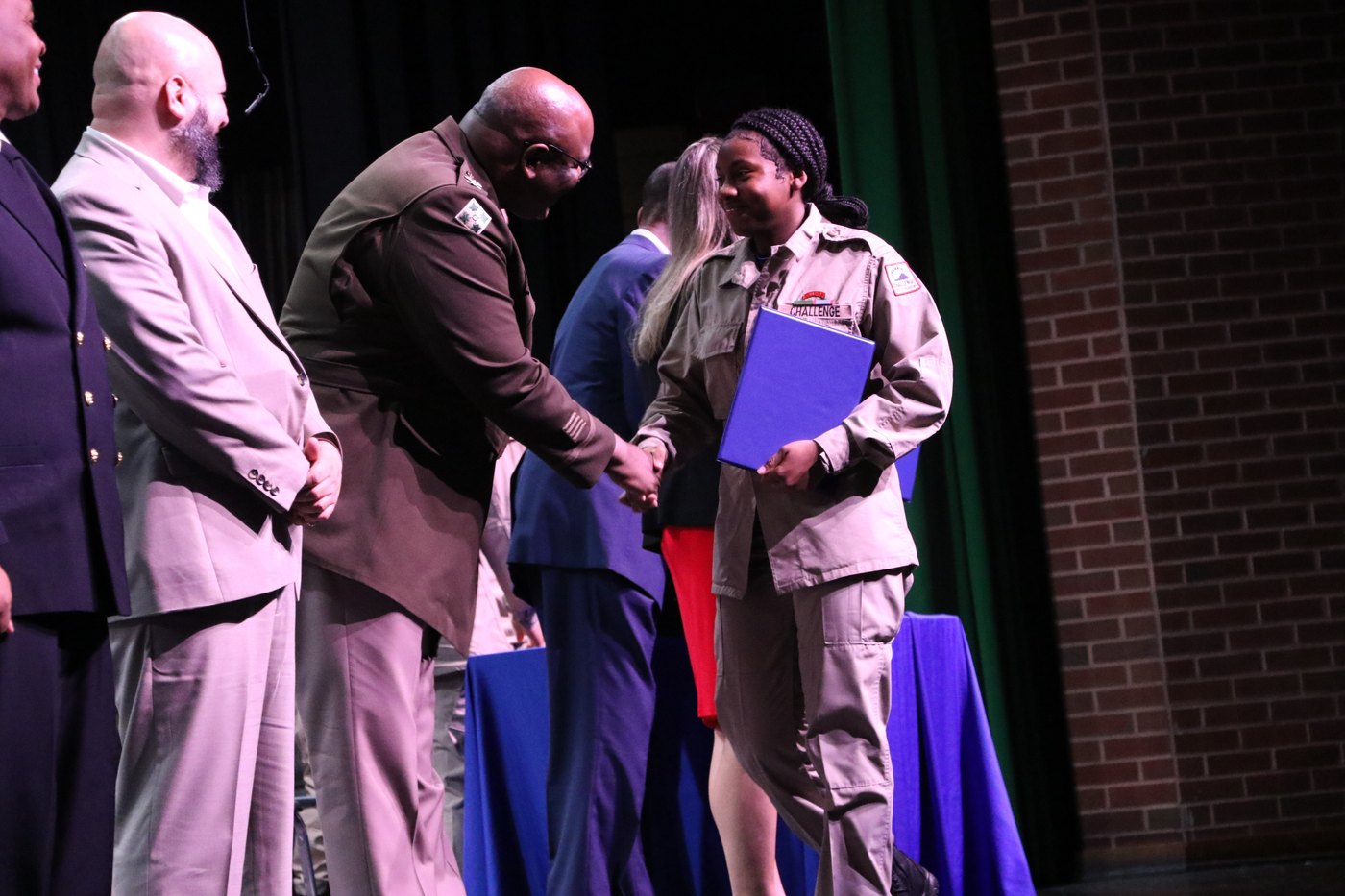
Commonwealth Challenge Youth Academy
Virginia Beach, VA
Commonwealth Challenge is Virginia's tuition-free National Guard Youth Challenge program in Virginia Beach — a 22-week residential phase of GED prep, life skills, and discipline.
Georgia Youth Challenge Academy - Fort Eisenhower
Fort Eisenhower, GA
Fort Eisenhower Youth Challenge Academy near Augusta, GA, is a free 22-week residential program where youth ages 16-18 earn a high school diploma. Classes start April and October.
Georgia Youth Challenge Academy - Fort Stewart
Fort Stewart, GA
Fort Stewart Youth Challenge Academy is Georgia's original free 22-week residential program for youth ages 16-18, with vocational training and 9,000+ graduates since 1993.
South Carolina Youth Challenge Academy
Eastover, SC
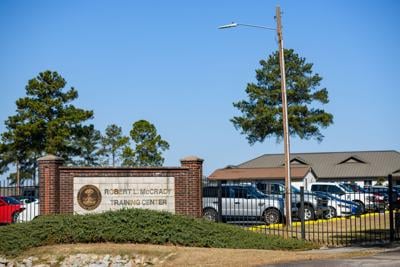
South Carolina Youth Challenge Academy is a free National Guard residential program in Eastover for ages 16-18, offering GED preparation, mentoring, and job training.

Alaska Military Youth Academy
JBER, AK
Tuition-free 22-week National Guard Youth Challenge program at Joint Base Elmendorf-Richardson for at-risk Alaska youth ages 16-18. Coed, residential, founded 1994.
Appalachian Challenge Academy
Grays Knob, KY
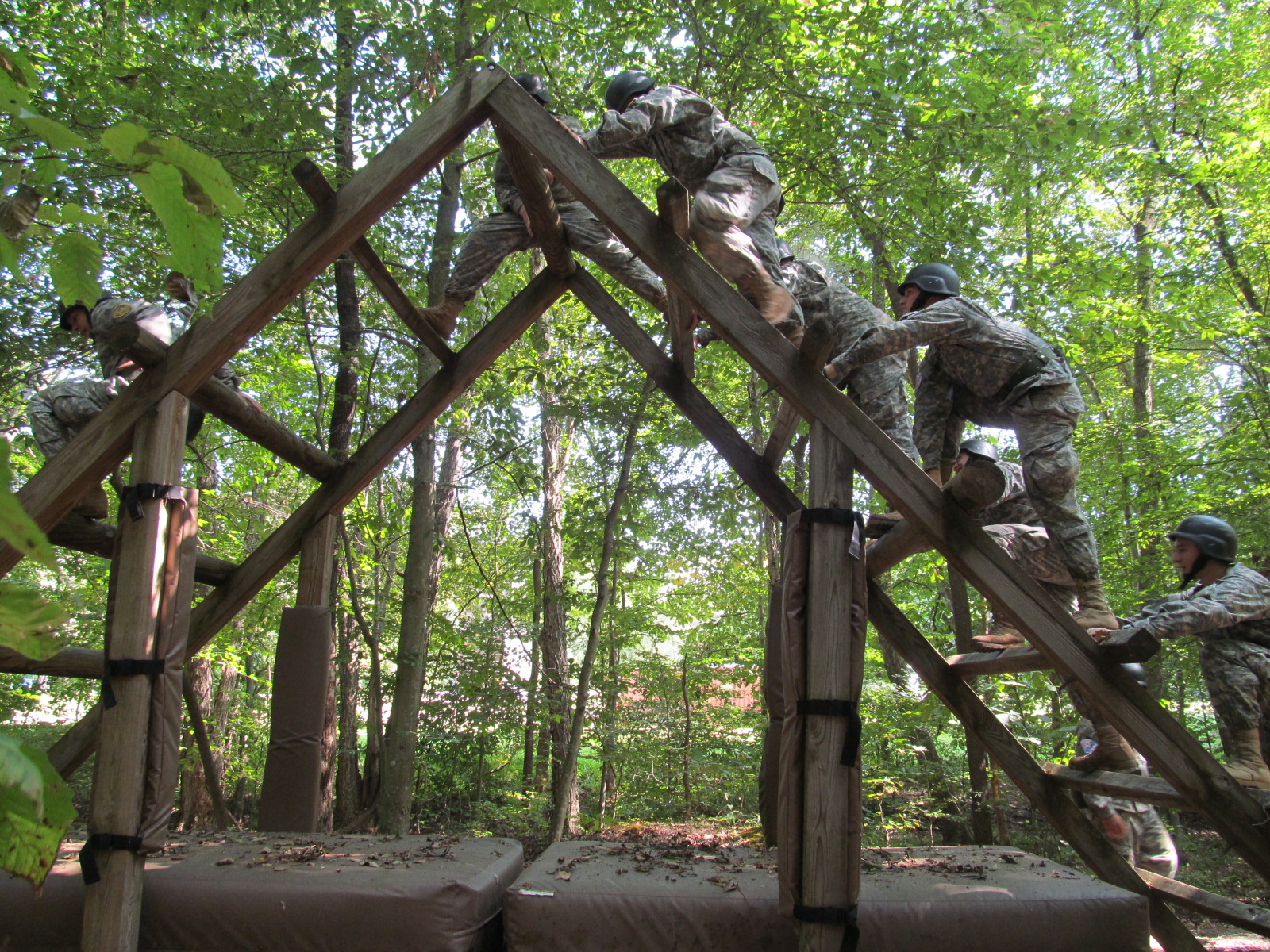
Free 22-week Kentucky National Guard Youth Challenge program in Grays Knob for at-risk 16-18-year-olds: GED completion, high school credits, and trade certifications.
Guides & Resources
National Guard Youth Challenge Academies: What to Expect
Free 22-week National Guard residential programs for teens 16-18 who are behind in school. Eligibility, what to expect, and the academy in your state.
Free Military Schools: 4 Tuition-Free Options
Yes — four options charge no tuition: public military academies, charter schools, service academies, and Youth Challenge. Private boarding runs $25,500-$67,000.
Military School vs. Therapeutic Boarding School
Military schools build leaders; therapeutic programs treat crises. Compare purpose, staff, and cost — $30,000-$65,000 a year vs. $10,000-$20,000 a month.
Cadet Life: Daily Schedule, Dorms & Roommates
What cadets actually do all day at military boarding school — the 6 AM to 10 PM schedule, room inspections, TAC officers, phone rules, and roommate life.
The 10 Best Military Schools in America (2026)
Culver Academies leads our 2026 top 10 of America's best military schools — plus best-value, free, boys, girls, and college-prep picks, with verified tuition.
Alabama's CHOOSE Act ESA: $7,000 Toward Military School
Alabama's CHOOSE Act ESA provides $7,000 per student toward private school tuition, including military school. Eligibility, deadlines, and how to apply.