South Carolina Youth Challenge Academy
Eastover, SC
"As We Strive To Perfect Our Craft, We Will Also Strive To Perfect Our Love For Each Other, LOVE WALK"
National Guard Youth Challenge Program
Free Intervention Program for At-Risk Youth Ages 16-18
At a Glance
Established
1998
Program Type
Youth Challenge
Administered By
National Guard
State
South Carolina
The Verdict
South Carolina Youth Challenge Academy offers a second chance for at-risk youth who have dropped out or are at risk of leaving high school. This tuition-free, 22-week residential program on the McCrady National Guard Training Center uses military-style structure and discipline to transform lives.
With two enrollment cycles per year (January and July), the Academy has been reclaiming futures since 1998—combining GED preparation, vocational training, and mentorship to guide 16-18 year-olds toward productive citizenship.
Campus & Cadet Life
About
South Carolina Youth Challenge Academy is a free National Guard residential program in Eastover for ages 16-18, offering GED preparation, mentoring, and job training.
Admissions & Selectivity
Admissions Philosophy
developmental
Key Requirements
- Age 16-18 (15 with Director approval if turning 16 before graduation)
- South Carolina resident, U.S. citizen or lawful permanent resident
- High school dropout, potential dropout, or expelled student
- School withdrawal documentation required
- No felony criminal convictions
- Physically and mentally capable of completing the program
- Commitment to be drug, alcohol, and tobacco free
- Youth-initiated mentor required for participation
Location
Program Details
Eligible Ages
16-18 years old
Residential Phase
22 weeks
Mentorship Phase
12 months
Cost
FREE
Annual Enrollment
200
Gender
coed
Eligibility
State Resident
Participation
Voluntary
Barracks Life
Housing Type
barracks
Daily Schedule
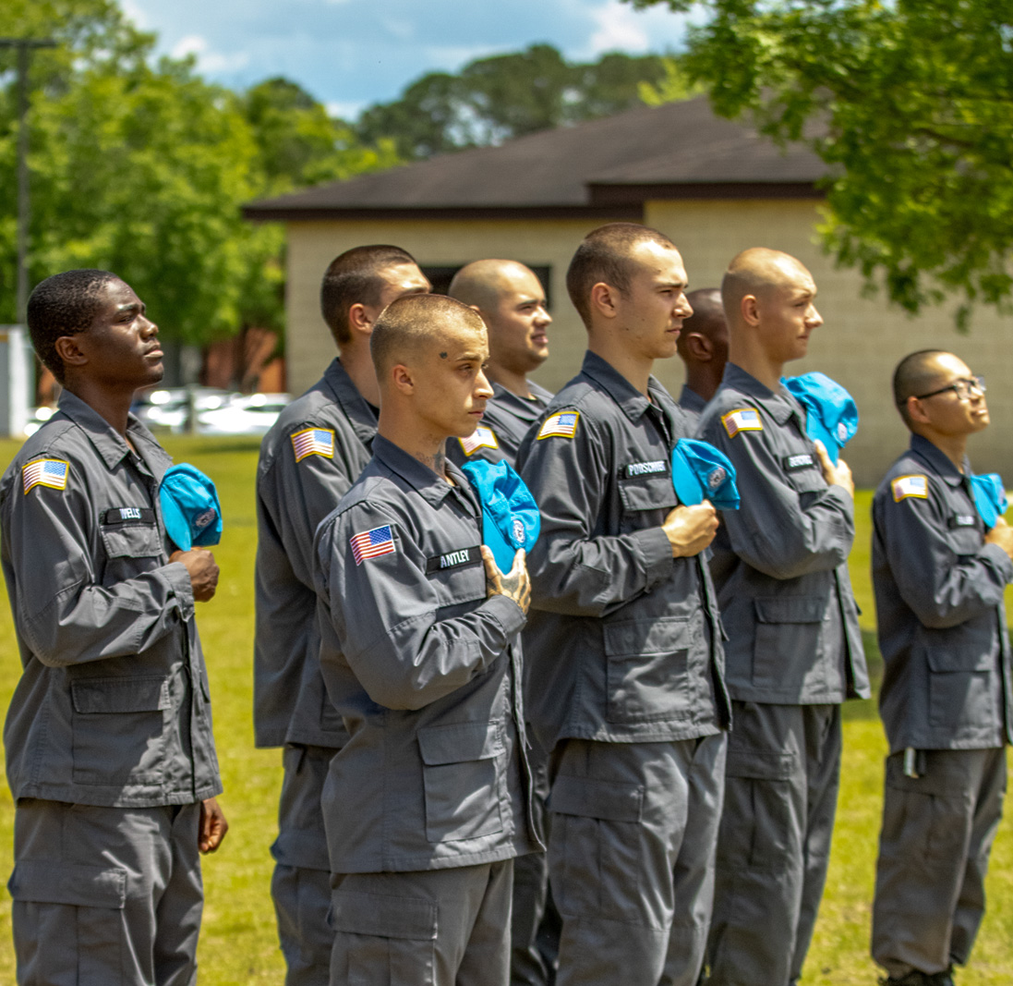
Cadets live on campus at McCrady National Guard Training Center for 22.5 weeks with no home visits. Daily schedule includes 4-6 hours of academic instruction, physical fitness training based on the President's Challenge standards, meals, personal grooming, leadership activities, community service, and structured study time. Phone calls are permitted after Week 6 to allow adaptation to the program. Communication occurs primarily through postal mail and Facebook Messenger.
Discipline Model
Military-style structure emphasizing discipline, consistency, and accountability. The two-week Acclimation Phase establishes expectations through close quarter drill, code of conduct training, teamwork exercises, and physical fitness. The Operations Department manages 24/7 cadet supervision. Cadets who successfully complete Acclimation demonstrate commitment to change and progress to the Residential Phase as full cadets.
Program Outcomes
Success Metrics
Graduates pursue diverse placements including high school return, higher education, employment, military service, or 30+ hours weekly volunteering
Post-Program Pathways
Military service is one of five approved post-residential placement options; ASVAB testing provided during the program
Note: Youth Challenge programs focus on GED completion, credit recovery, and life skills development—not traditional college prep metrics.
Physical Training
Physical Fitness Program
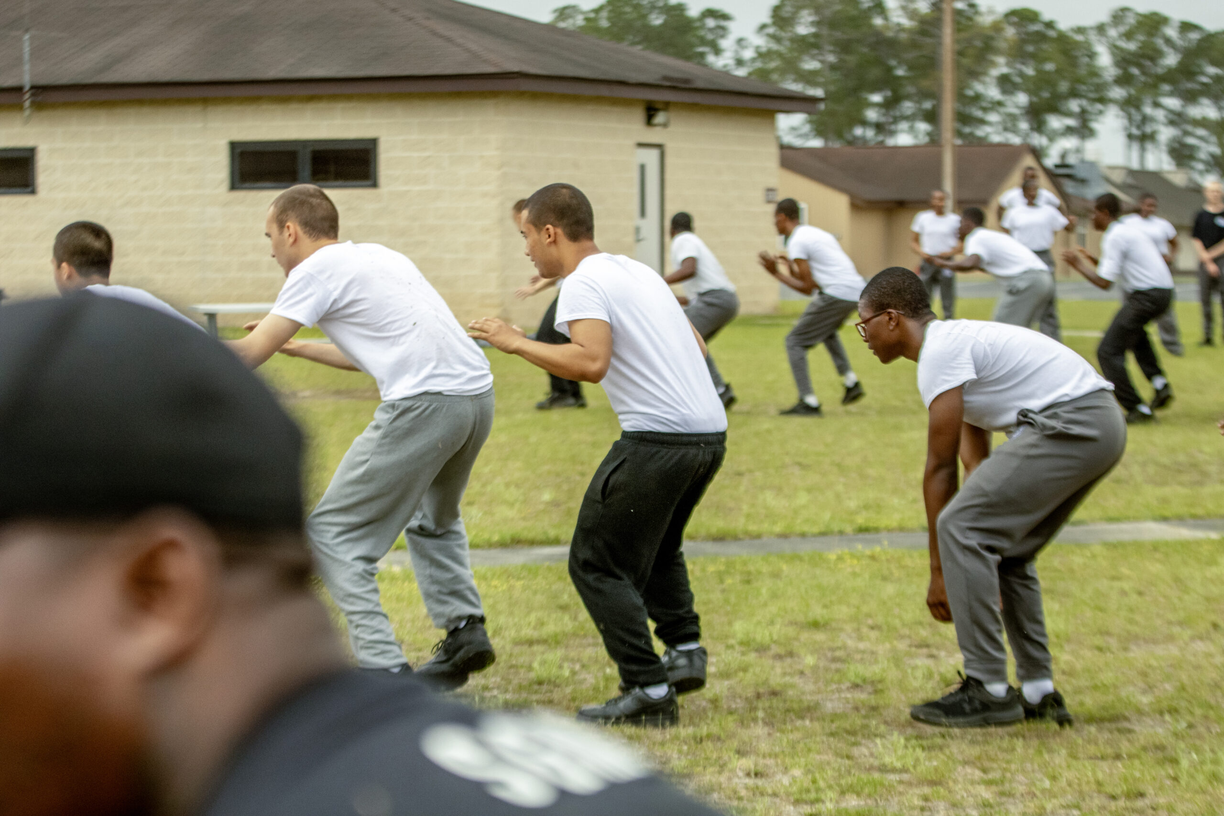
Daily physical training based on President's Challenge standards is mandatory for all cadets. Physical fitness is one of the eight core components of the Youth Challenge curriculum. The Acclimation Phase introduces intensive physical conditioning, which continues throughout the 22-week residential program.
Physical Activities
Facilities
Located on the 15,000-acre McCrady National Guard Training Center near Fort Jackson. Campus includes residential barracks, academic classrooms, physical training areas, drill fields, and access to National Guard training facilities. The center also hosts the 218th Regional Training Institute and multiple military reserve units.
Note: Youth Challenge programs emphasize physical fitness as one of the Eight Core Components, focusing on building endurance, strength, and healthy habits rather than varsity athletics.
Photo Gallery
Related Schools
Georgia Youth Challenge Academy - Fort Eisenhower
Fort Eisenhower, GA
Fort Eisenhower Youth Challenge Academy near Augusta, GA, is a free 22-week residential program where youth ages 16-18 earn a high school diploma. Classes start April and October.
Georgia Youth Challenge Academy - Fort Stewart
Fort Stewart, GA
Fort Stewart Youth Challenge Academy is Georgia's original free 22-week residential program for youth ages 16-18, with vocational training and 9,000+ graduates since 1993.
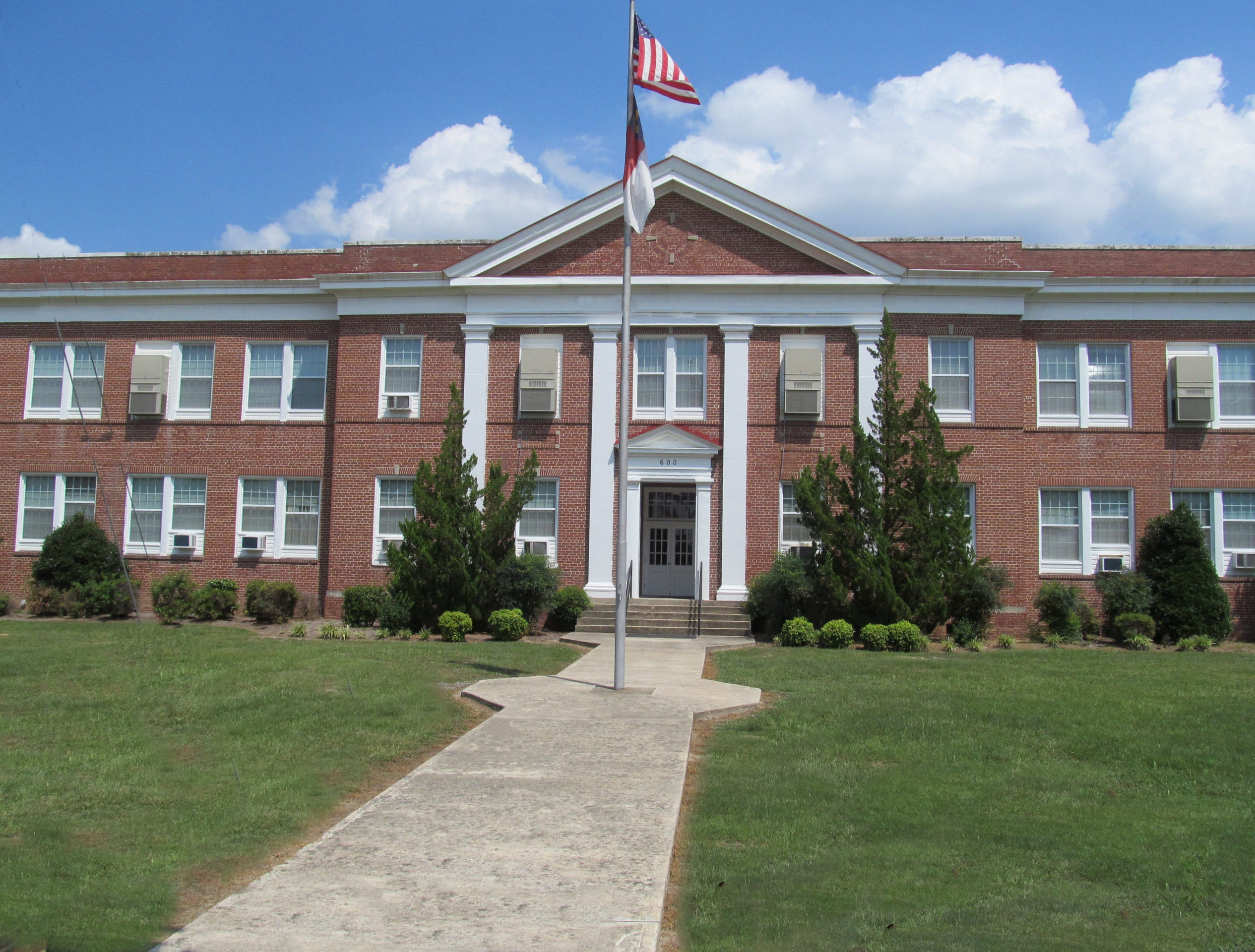
Tarheel Challenge Academy
Salemburg, NC
Tarheel Challenge Academy in Salemburg, NC is a tuition-free 22-week residential National Guard program for ages 16-18 who have dropped out or are behind in school.

Alaska Military Youth Academy
JBER, AK
Tuition-free 22-week National Guard Youth Challenge program at Joint Base Elmendorf-Richardson for at-risk Alaska youth ages 16-18. Coed, residential, founded 1994.
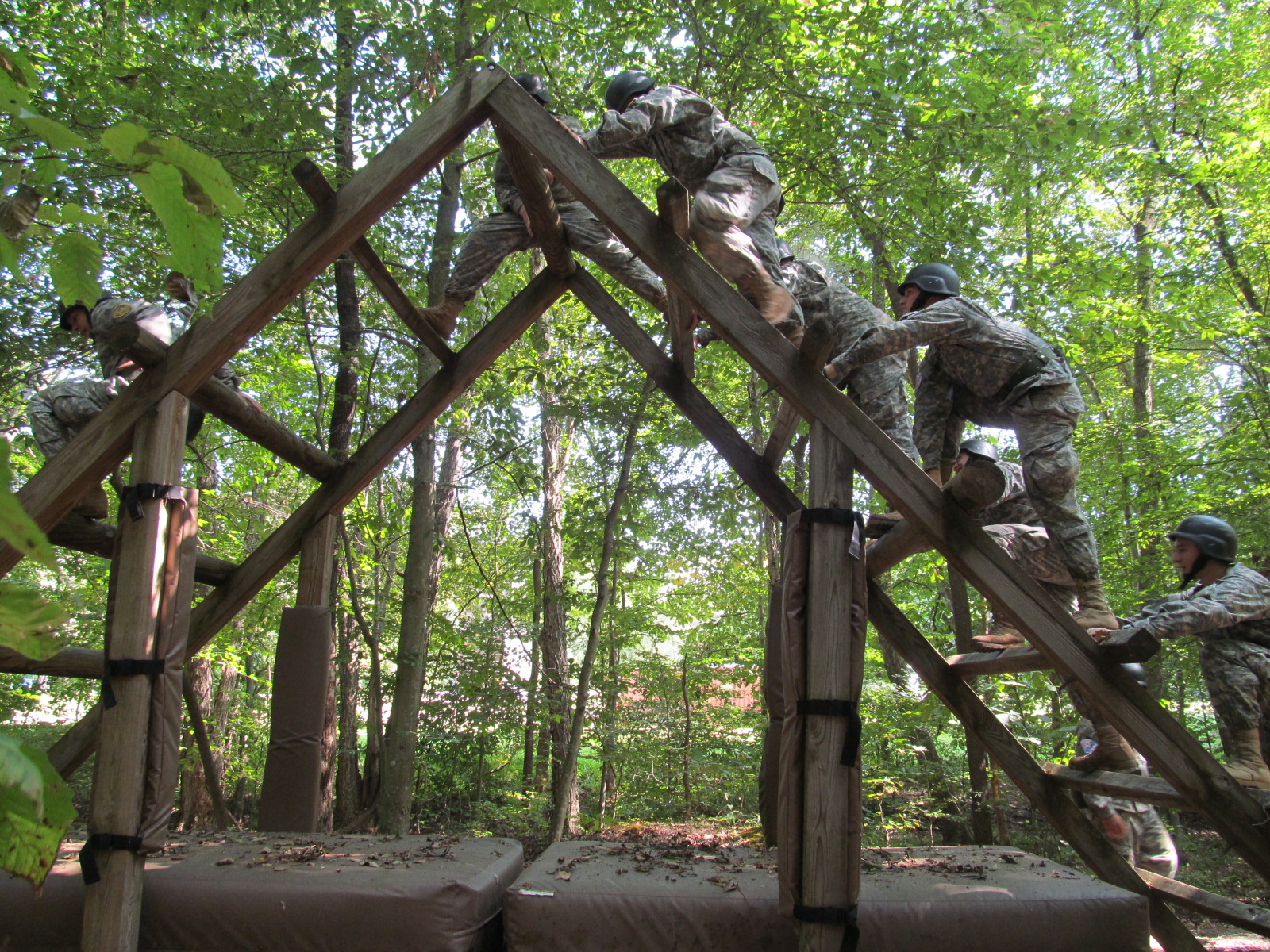
Appalachian Challenge Academy
Grays Knob, KY
Free 22-week Kentucky National Guard Youth Challenge program in Grays Knob for at-risk 16-18-year-olds: GED completion, high school credits, and trade certifications.
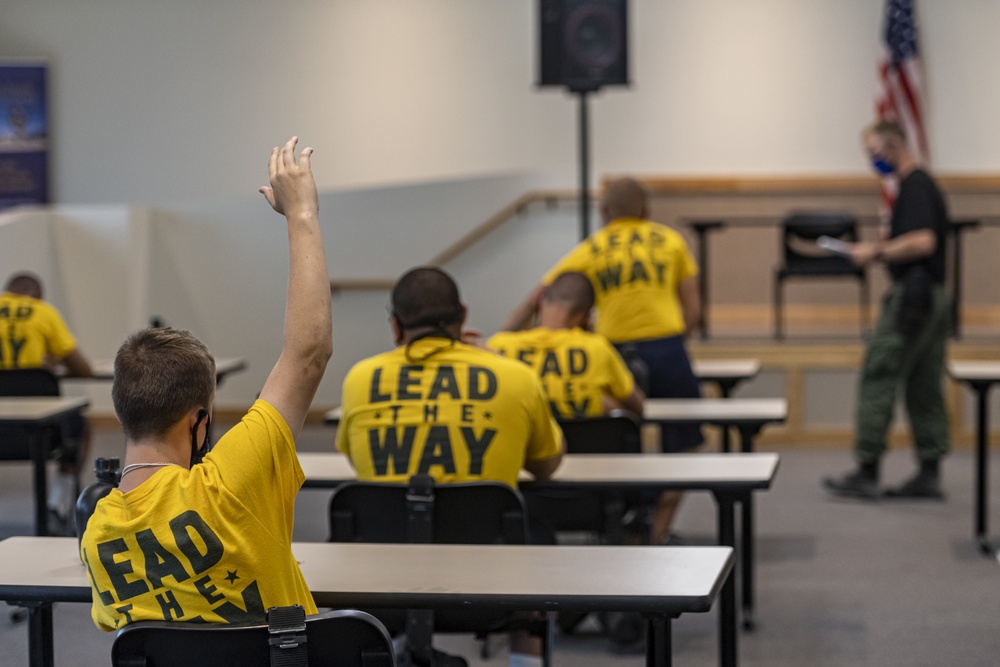
Battle Born Youth Challenge Academy
Carlin, NV
Battle Born Youth Challenge Academy in Carlin is Nevada's tuition-free National Guard program for at-risk youth ages 16-18 — 22 weeks of credit recovery and life skills.
Guides & Resources
South Carolina: The Citadel Pipeline
Camden Military Academy (~$32,000 boarding) feeds The Citadel, one of six Senior Military Colleges. How South Carolina's pipeline works, plus a free alternative.
National Guard Youth Challenge Academies: What to Expect
Free 22-week National Guard residential programs for teens 16-18 who are behind in school. Eligibility, what to expect, and the academy in your state.
Free Military Schools: 4 Tuition-Free Options
Yes — four options charge no tuition: public military academies, charter schools, service academies, and Youth Challenge. Private boarding runs $25,500-$67,000.
Military School vs. Therapeutic Boarding School
Military schools build leaders; therapeutic programs treat crises. Compare purpose, staff, and cost — $30,000-$65,000 a year vs. $10,000-$20,000 a month.
Georgia Special Needs Scholarship (SB10) for Military School
Georgia's SB10 scholarship gives students with IEPs or 504 Plans ~$6,000-$15,000+ toward private tuition — including military academies. How to qualify and apply.
The 10 Best Military Schools in America (2026)
Culver Academies leads our 2026 top 10 of America's best military schools — plus best-value, free, boys, girls, and college-prep picks, with verified tuition.