Hawaii National Guard Youth Challenge Academy
Kapolei, HI
"Dream. Believe. Achieve."
National Guard Youth Challenge Program
Free Intervention Program for At-Risk Youth Ages 16-18
At a Glance
Established
1994
Program Type
Youth Challenge
Administered By
National Guard
State
Hawaii
Accreditations
The Verdict
Established in September 1994, the Hawaii National Guard Youth Challenge Academy—known locally as Na Kula Alaka'i (The School of Leaders)—has transformed the lives of over 5,000 at-promise youth across the Hawaiian islands. Located at the historic Kalaeloa military installation in Kapolei, Oahu, this tuition-free 22-week residential program offers 16-18-year-old Hawaii residents a genuine second chance.
The academy combines military-style discipline with the eight core components of the national Youth Challenge Program. As one of the original Youth Challenge Programs in the nation, Hawaii's program has pioneered pathways that now include the innovative Job Challenge Academy for graduates seeking career certifications.
About
Hawaii National Guard Youth Challenge Academy in Kapolei is a tuition-free 22-week residential program for at-risk youth ages 16-18. Over 5,000 graduates since 1994.
Admissions & Selectivity
Admissions Philosophy
developmental
Key Requirements
- Must be a Hawaii resident aged 16-18
- Must be a high school dropout or at risk of dropping out
- Must be able to read at a sixth grade level minimum
- Must never have been convicted of a felony or have pending legal matters
- Enrollment is entirely voluntary (cannot be court ordered to attend)
- Must be drug-free and willing to maintain zero-tolerance drug policy
- Must be physically and mentally capable of completing the demanding program
- Must complete admissions interview and submit required medical documentation including Hawaii DOE sports physical
- Must have a designated mentor for the 12-month post-residential phase
Location
Program Details
Eligible Ages
16-18 years old
Residential Phase
22 weeks
Mentorship Phase
12 months
Cost
FREE
Annual Enrollment
100
Gender
coed
Eligibility
State Resident
Participation
Voluntary
Barracks Life
Housing Type
barracks
Daily Schedule
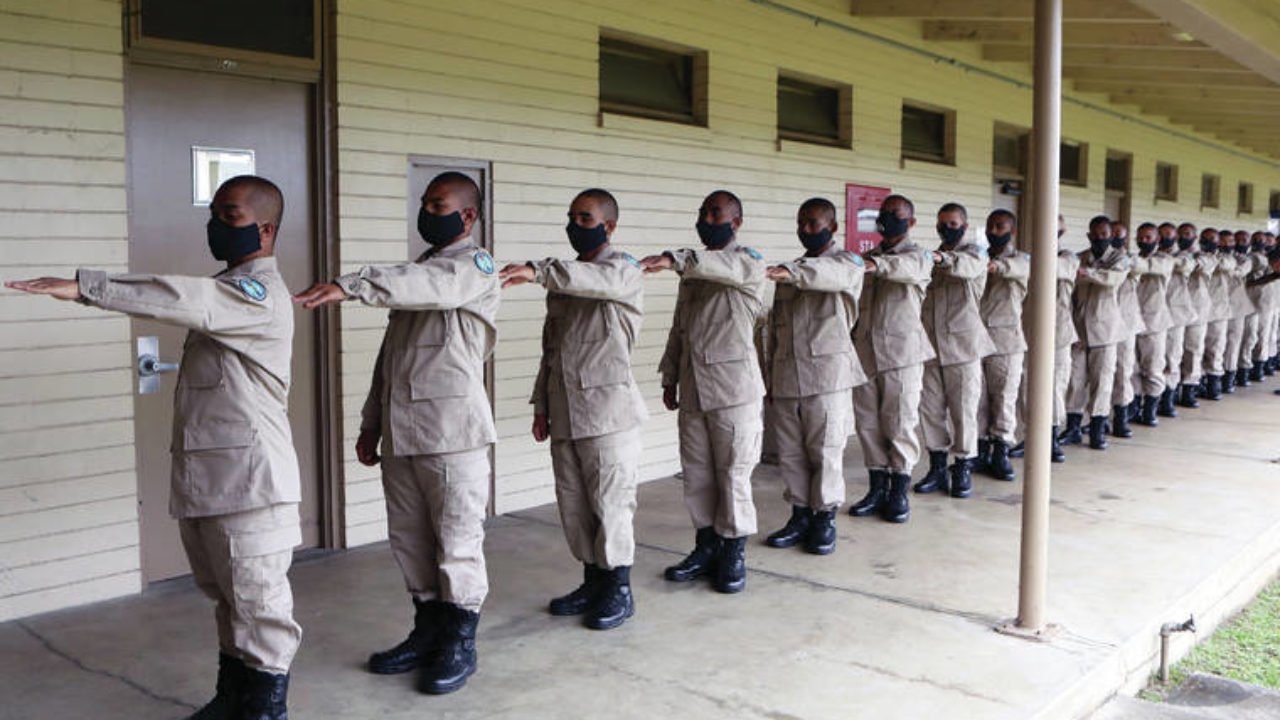
Cadets follow a highly structured schedule throughout the 22-week residential phase at Kalaeloa. After a rigorous two-week Acclimation Period focused on teamwork, close quarter drill, code of conduct, and physical fitness, cadets enter the main Residential Phase. The day integrates eight core curriculum components: academic excellence, health and hygiene, job skills, leadership and followership, life coping skills, service to community, physical fitness, and responsible citizenship. Contact with the outside world is strictly limited initially—cadets may only make scheduled phone calls after completing the acclimation phase, receive one home visit after 15 weeks (2 days), and another after 20 weeks (5 days). Mail communication is encouraged throughout the program.
Discipline Model
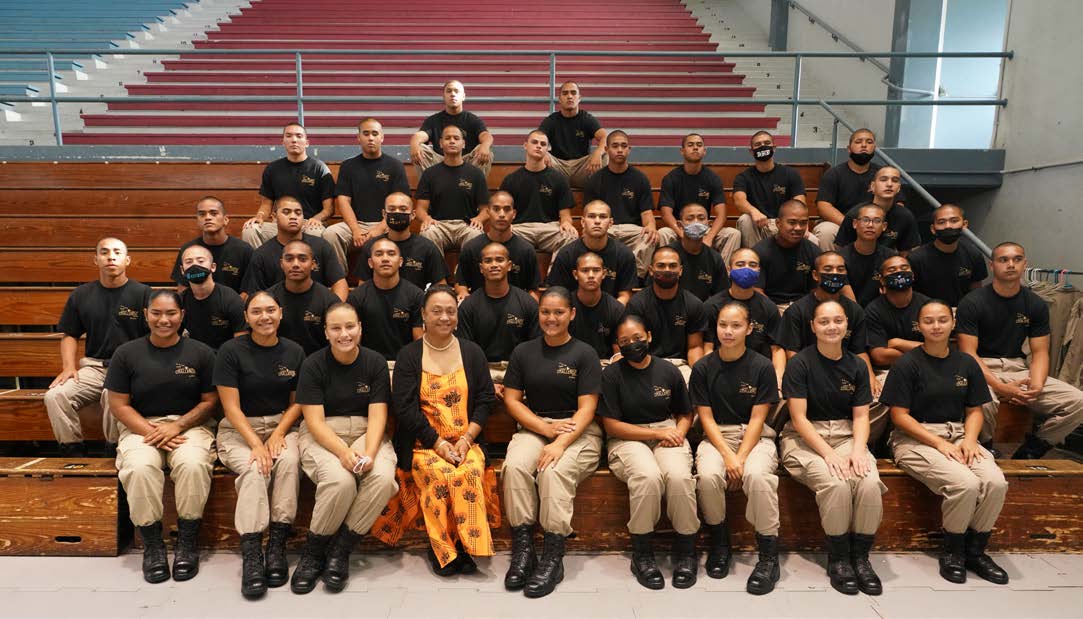
The academy operates as a quasi-military intervention program with a zero-tolerance policy for alcohol, tobacco, and drugs. Cadets are subject to random drug and toxicology screenings at any time and a positive test results in immediate dismissal. Boys and girls are housed in separate barracks (approximately 90 cadets per class), and the military-style environment emphasizes structure, discipline, consistency, chain of command, and peer accountability. The isolated campus design eliminates outside distractions and fosters intensive personal development.
Program Outcomes
Success Metrics
Post-residential placement includes higher education, employment, military service, or advancement to Job Challenge Academy for career certifications
Post-Program Pathways
N/A (program focuses on GED/HiSET completion and career readiness)
Note: Youth Challenge programs focus on GED completion, credit recovery, and life skills development—not traditional college prep metrics.
Physical Training
Physical Fitness Program
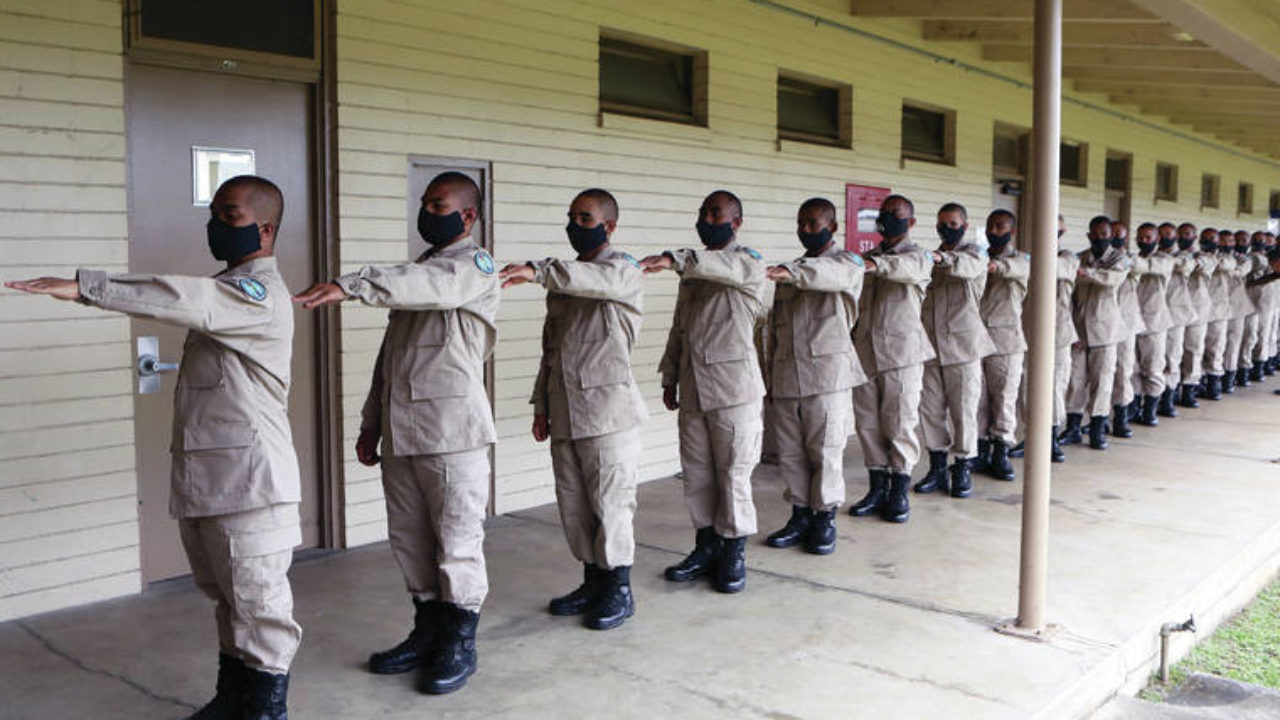
Physical fitness is one of the eight core components of daily cadet life. All cadets perform physical training based on the President's Challenge fitness assessment. The program begins with a Diagnostic Physical Fitness Test upon arrival to assess baseline ability. Daily PT includes warm-ups, cool-down exercises, running, and strength training. Cadets are strongly encouraged to begin fitness preparation before arrival by running or jogging at least 20 minutes daily. Marching is an everyday part of academy life, building discipline and unit cohesion.
Physical Activities
Facilities
The Hawaii Youth Challenge Academy is located at Kalaeloa, the former Naval Air Station Barbers Point on Oahu's leeward coast. The installation provides athletic fields, training areas, and physical fitness facilities. The campus includes separate barracks for male and female cadets, classroom buildings, dining facilities, and outdoor training grounds suitable for the academy's physically demanding program.
Note: Youth Challenge programs emphasize physical fitness as one of the Eight Core Components, focusing on building endurance, strength, and healthy habits rather than varsity athletics.
Photo Gallery
Related Schools

Hawaii Job Challenge Academy
Hilo, HI
Hawaii Job Challenge Academy in Hilo is a free 5-month residential vocational program for Youth Challenge Academy graduates ages 17-20 seeking career certifications.

Alaska Military Youth Academy
JBER, AK
Tuition-free 22-week National Guard Youth Challenge program at Joint Base Elmendorf-Richardson for at-risk Alaska youth ages 16-18. Coed, residential, founded 1994.
Appalachian Challenge Academy
Grays Knob, KY
Free 22-week Kentucky National Guard Youth Challenge program in Grays Knob for at-risk 16-18-year-olds: GED completion, high school credits, and trade certifications.
Battle Born Youth Challenge Academy
Carlin, NV
Battle Born Youth Challenge Academy in Carlin is Nevada's tuition-free National Guard program for at-risk youth ages 16-18 — 22 weeks of credit recovery and life skills.
Bluegrass Challenge Academy
Fort Knox, KY
Free 22-week Kentucky National Guard Youth Challenge program at Fort Knox for at-risk 16-18-year-olds: GED completion, credit recovery, and 12-month mentoring.
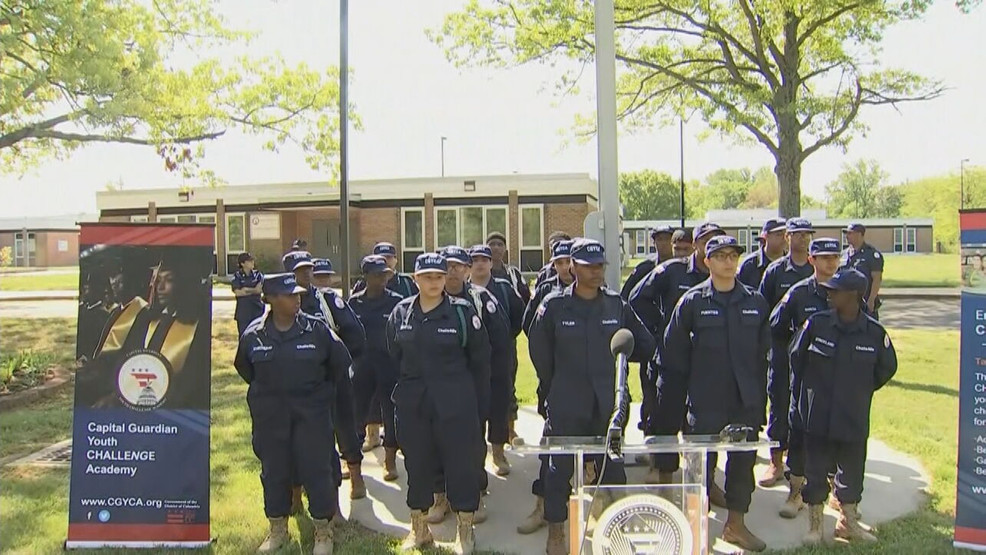
Capital Guardian Youth Challenge
Laurel, MD
Capital Guardian Youth Challenge Academy (CGYCA) is a free 22-week residential program in Laurel, MD, where the DC National Guard helps teens 16-18 earn a GED or diploma.
Guides & Resources
National Guard Youth Challenge Academies: What to Expect
Free 22-week National Guard residential programs for teens 16-18 who are behind in school. Eligibility, what to expect, and the academy in your state.
Free Military Schools: 4 Tuition-Free Options
Yes — four options charge no tuition: public military academies, charter schools, service academies, and Youth Challenge. Private boarding runs $25,500-$67,000.
Military School vs. Therapeutic Boarding School
Military schools build leaders; therapeutic programs treat crises. Compare purpose, staff, and cost — $30,000-$65,000 a year vs. $10,000-$20,000 a month.
Military Schools for Troubled Teens: What Actually Works
The honest answer: most military schools won't take an unwilling teen. What works — free Youth Challenge academies in nearly 30 states, and when you need therapeutic care.
Military School ROI: Scholarships & Academy Appointments
Boarding tuition runs $30,000-$60,000 a year, but a service academy appointment is worth over $400,000. How to weigh military school's return on investment.
Florida FES Scholarship for Military Dependents (K-12)
Florida's FES scholarship is open to every K-12 student regardless of income — about $7,500-$9,300 a year, plus PCS residency and deadline rules for military families.