Capital Guardian Youth Challenge
Laurel, MD
"Embrace the Challenge"
National Guard Youth Challenge Program
Free Intervention Program for At-Risk Youth Ages 16-18
At a Glance
Established
2013
Program Type
Youth Challenge
Administered By
National Guard
State
Maryland
The Verdict
Capital Guardian Youth Challenge Academy isn't your typical military school—it's a life intervention program offering DC-area teens a free second chance at success. Operated by the District of Columbia National Guard on a 30-acre campus renamed Camp Schwartz in honor of Major General Errol R. Schwartz, CGYCA has served the District's at-risk youth since 2013.
The 22-week quasi-military residential program takes high school dropouts and helps them earn their GED or DC High School Diploma. With 39% of graduates continuing their education, 47% entering the workforce, and 5% joining the military, CGYCA delivers measurable results—at no cost to families.
About
Capital Guardian Youth Challenge Academy (CGYCA) is a free 22-week residential program in Laurel, MD, where the DC National Guard helps teens 16-18 earn a GED or diploma.
Admissions & Selectivity
Admissions Philosophy
developmental
Key Requirements
- Must be 16-18 years old
- Must be a DC resident or enrolled in a DC public or charter school
- Must have voluntarily dropped out of high school or be at-risk of not graduating
- Must be drug-free and pass initial drug screening
- Must not be under criminal justice supervision or have felony charges pending
- Must be physically and mentally capable of completing the program
- Must voluntarily agree to participate
- Must have a parent/guardian willing to participate in the process
Location
Program Details
Eligible Ages
16-18 years old
Residential Phase
22 weeks
Mentorship Phase
12 months
Cost
FREE
Annual Enrollment
50
Gender
coed
Eligibility
State Resident
Participation
Voluntary
Barracks Life
Housing Type
barracks
Daily Schedule
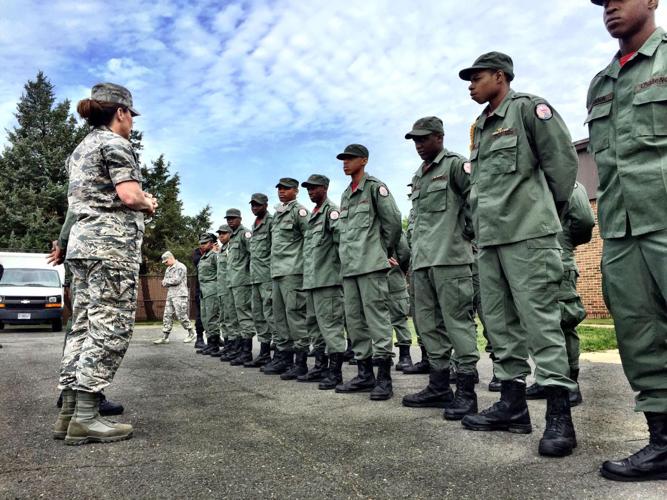
Cadets follow a highly structured daily schedule that includes physical training, personal hygiene, barracks maintenance, meals, academic classes, tutoring, after-school activities, service projects, team sports, study hall, and designated personal time. The program begins with a rigorous two-week Acclimation Phase designed to identify cadets with the desire and discipline to complete the program, followed by a 20-week Challenge Phase focused on the Eight Core Components curriculum. Weekends feature visiting local gyms and parks, adventure training, field trips, outdoor sports, movie nights, community service, uniform inspections, and nondenominational religious services.
Discipline Model
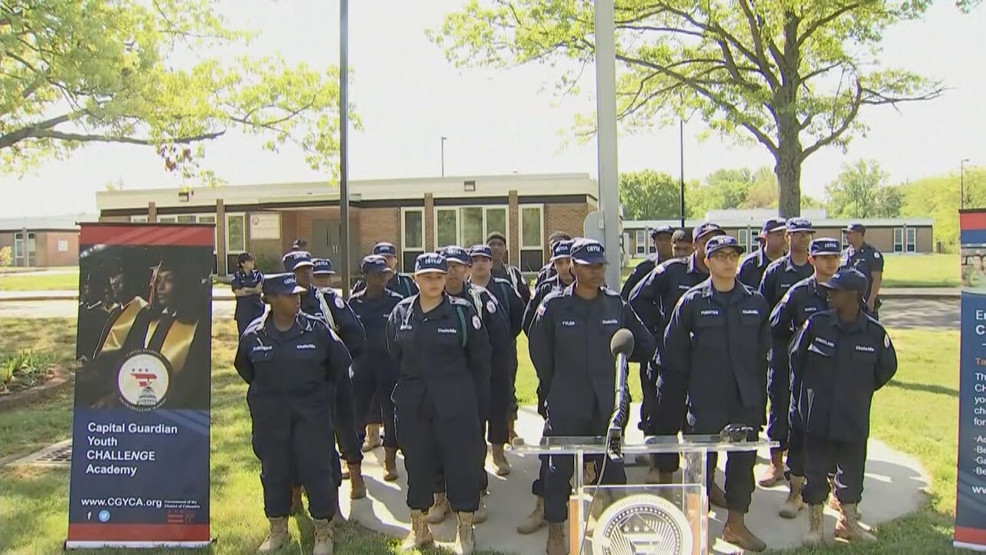
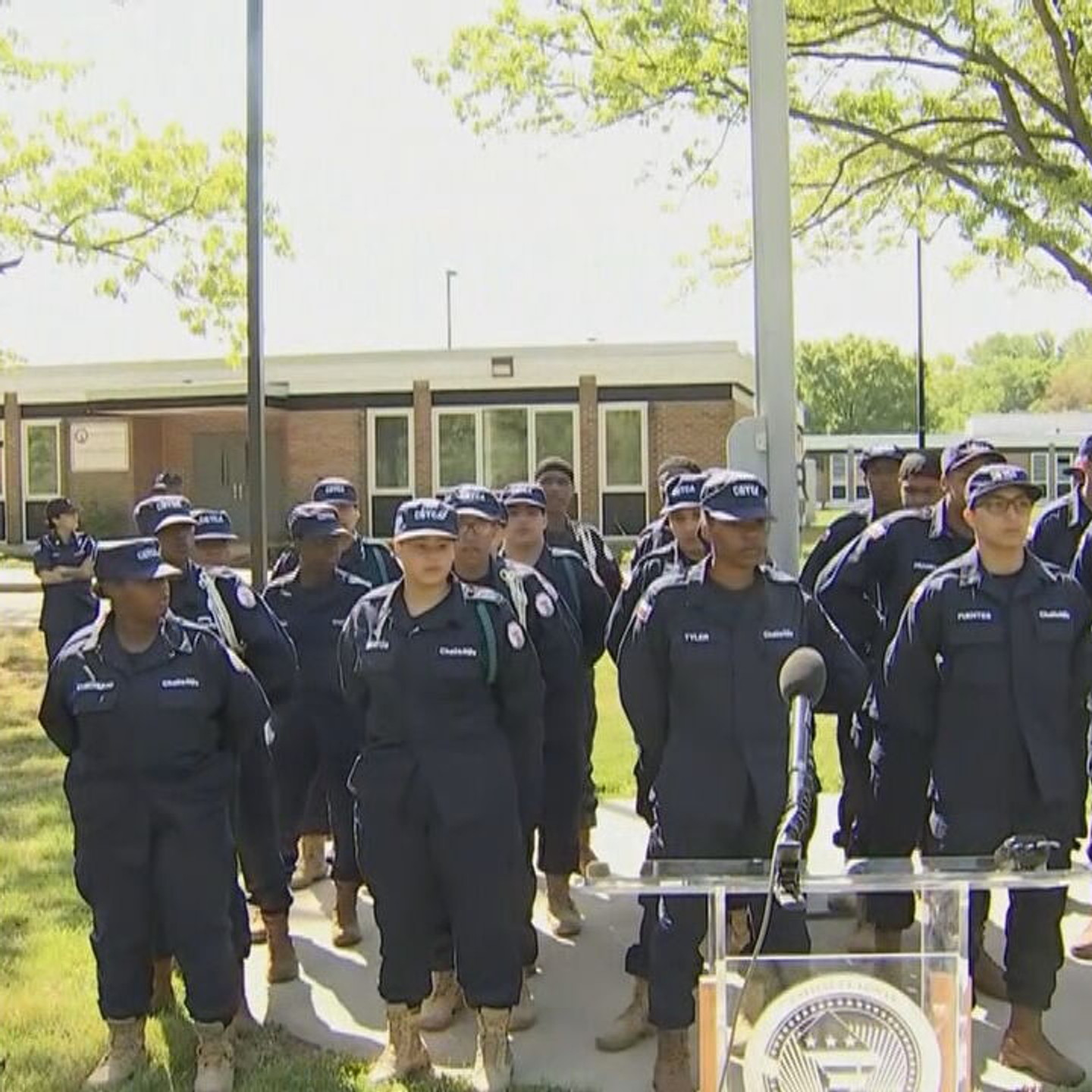
CGYCA operates as a quasi-military program emphasizing self-discipline, personal responsibility, and positive motivation. Cadets must meet military grooming standards, wear military-type uniforms, and observe standard military customs and courtesies. The structure mirrors National Guard training principles with emphasis on discipline and accountability. Cadets are organized into training platoons and live in dormitory-style barracks. The discipline system focuses on building character through structured activities, peer leadership, and progressive responsibility rather than punitive measures.
Program Outcomes
Success Metrics
39% continue education after graduation
Post-Program Pathways
Not applicable - GED/diploma program
Note: Youth Challenge programs focus on GED completion, credit recovery, and life skills development—not traditional college prep metrics.
Physical Training
Physical Fitness Program
Physical fitness is one of the Eight Core Components and is integrated into daily cadet life. Cadets perform military-style physical training based on the President's Challenge fitness standards, including running, calisthenics, and organized sports. The program emphasizes building lifelong commitment to physical wellbeing through structured PT sessions and recreational activities. Weekend activities include visits to local gyms and parks, adventure training, and outdoor sports.
Facilities
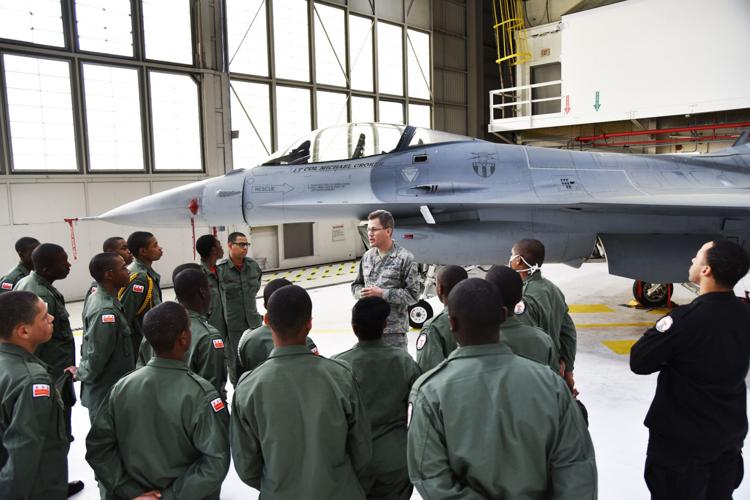
The 30-acre Camp Schwartz campus in Laurel, Maryland was established in 2013 on a rehabilitated former juvenile detention facility. The state-of-the-art educational campus features 16 buildings including dormitory barracks, academic classrooms, dining facilities, and recreational areas. The site also serves as a DC National Guard training facility with plans for a leader's reactionary course, rappel tower, helipad, and small arms range. The campus provides a secure, structured environment conducive to personal transformation and academic achievement.
Note: Youth Challenge programs emphasize physical fitness as one of the Eight Core Components, focusing on building endurance, strength, and healthy habits rather than varsity athletics.
Photo Gallery
Related Schools
Freestate Challenge Academy
Aberdeen Proving Ground, MD
Freestate Challenge Academy is a tuition-free 22-week residential National Guard program at Aberdeen Proving Ground, MD, helping at-risk teens earn a GED.
Commonwealth Challenge Youth Academy
Virginia Beach, VA
Commonwealth Challenge is Virginia's tuition-free National Guard Youth Challenge program in Virginia Beach — a 22-week residential phase of GED prep, life skills, and discipline.
Keystone State Challenge Academy
Annville, PA
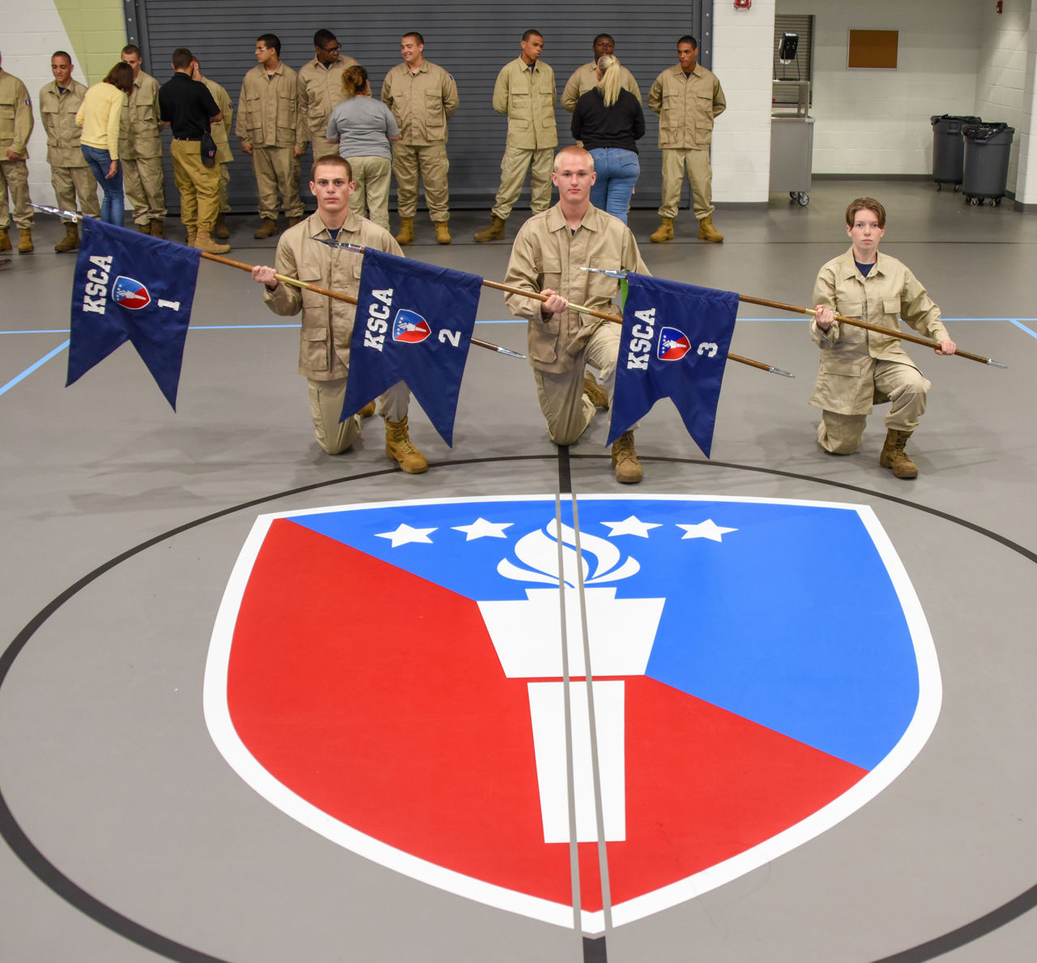
Keystone State Challenge Academy is a free 22-week National Guard residential program at Fort Indiantown Gap for Pennsylvania youth ages 16-18 earning a GED.
Mountaineer Challenge Academy
Kingwood, WV
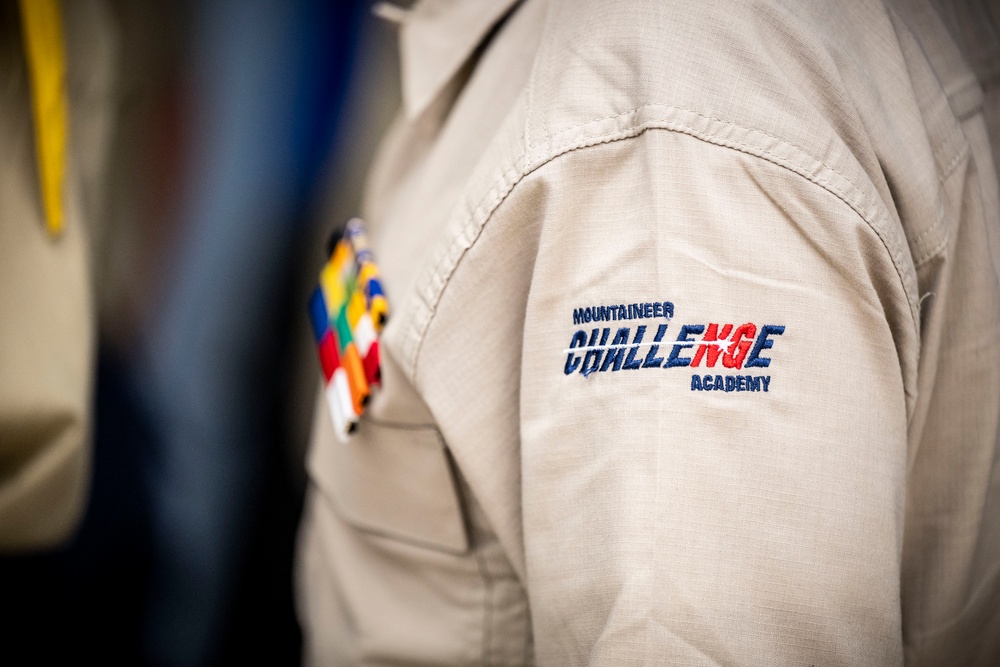
Tuition-free 22-week West Virginia National Guard residential program where at-risk youth ages 16-18 earn a high school diploma. Campuses in Kingwood and Montgomery.

Alaska Military Youth Academy
JBER, AK
Tuition-free 22-week National Guard Youth Challenge program at Joint Base Elmendorf-Richardson for at-risk Alaska youth ages 16-18. Coed, residential, founded 1994.
Appalachian Challenge Academy
Grays Knob, KY
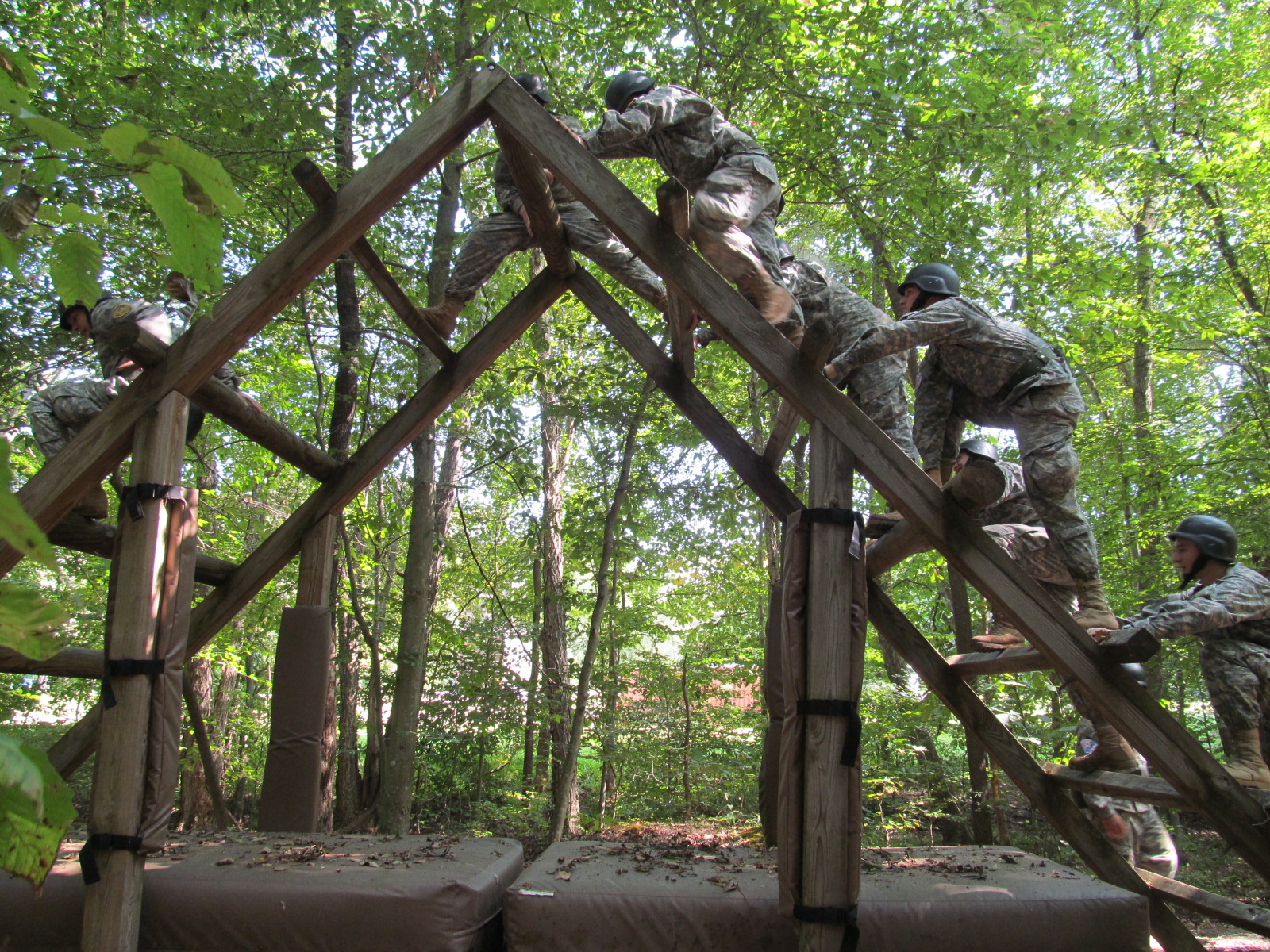
Free 22-week Kentucky National Guard Youth Challenge program in Grays Knob for at-risk 16-18-year-olds: GED completion, high school credits, and trade certifications.
Guides & Resources
National Guard Youth Challenge Academies: What to Expect
Free 22-week National Guard residential programs for teens 16-18 who are behind in school. Eligibility, what to expect, and the academy in your state.
Free Military Schools: 4 Tuition-Free Options
Yes — four options charge no tuition: public military academies, charter schools, service academies, and Youth Challenge. Private boarding runs $25,500-$67,000.
Military School vs. Therapeutic Boarding School
Military schools build leaders; therapeutic programs treat crises. Compare purpose, staff, and cost — $30,000-$65,000 a year vs. $10,000-$20,000 a month.
How to Prepare for Military School: The New Cadet's Guide
How to prepare for military school: an 8-week running plan, strength benchmarks, shoe-shine skills, and how to find your group fast—written for cadets, not parents.
New York's Excelsior Scholarship: A Free Path to SUNY Maritime
New York families earning under $125,000 can attend SUNY Maritime College tuition-free through the Excelsior Scholarship—military structure, maritime careers.
The 10 Best Military Schools in America (2026)
Culver Academies leads our 2026 top 10 of America's best military schools — plus best-value, free, boys, girls, and college-prep picks, with verified tuition.