Bluegrass Challenge Academy
Fort Knox, KY
"If It Doesn't Challenge You, It Will Not Change You!"
National Guard Youth Challenge Program
Free Intervention Program for At-Risk Youth Ages 16-18
At a Glance
Established
1999
Program Type
Youth Challenge
Administered By
National Guard
State
Kentucky
The Verdict
Bluegrass Challenge Academy is Kentucky's original Youth Challenge program, serving at-risk youth since 1999. Located on Fort Knox—an active U.S. Army installation and home to the U.S. Bullion Depository—cadets train on the same grounds as U.S. Army soldiers.
This 22-week residential program takes young people labeled "at-risk" and helps them emerge with discipline, education, and purpose. The program is completely tuition-free, funded through a cooperative agreement between the National Guard Bureau (60%) and the Commonwealth of Kentucky (40%).
About
Free 22-week Kentucky National Guard Youth Challenge program at Fort Knox for at-risk 16-18-year-olds: GED completion, credit recovery, and 12-month mentoring.
Admissions & Selectivity
Admissions Philosophy
developmental
Key Requirements
- Must be a Kentucky resident
- Age 16-18 upon entry
- Not currently enrolled in school or failing academically
- No high school diploma or GED
- No pending felony charges or felony convictions
- Physically and mentally capable of participating
- Voluntary enrollment (must want to attend)
- Drug-free at time of entry
Location
Program Details
Eligible Ages
16-18 years old
Residential Phase
22 weeks
Mentorship Phase
12 months
Cost
FREE
Annual Enrollment
67
Gender
coed
Eligibility
State Resident
Participation
Voluntary
Barracks Life
Housing Type
barracks
Daily Schedule
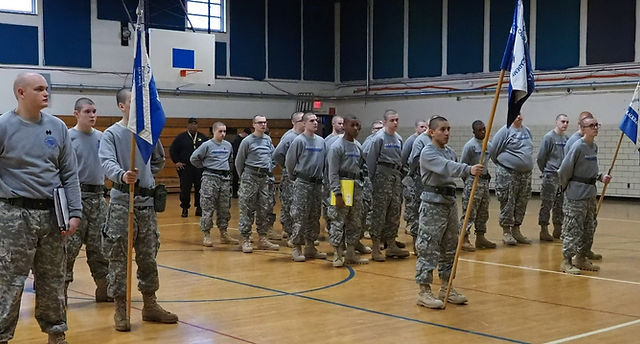
Cadets live on campus 24/7 for 22 weeks with periodic home passes. The highly structured day includes academic instruction, physical fitness training, sports, enrichment seminars, and mandatory formations. Cadets march to meals together, maintain military grooming standards, wear military-style uniforms, and observe standard military customs and courtesies. The program begins with a 2-week Acclimation phase to identify students with the commitment to complete the program, followed by the 20-week Challenge phase focused on the Eight Core Components.
Discipline Model
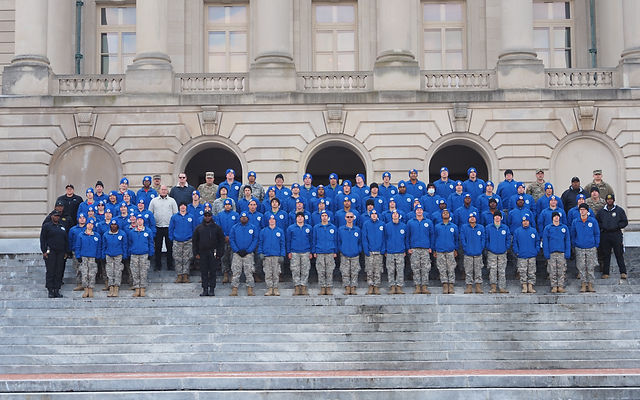
Quasi-military discipline model emphasizing self-discipline, personal responsibility, and positive motivation. Females and males are housed in separate areas. A color-coded privilege system rewards progress: cadets who earn blue shirts receive upgraded privileges including beds instead of cots, TV and videogame time, and occasional pizza parties. Peer accountability and the cadet chain of command reinforce standards daily.
Program Outcomes
Success Metrics
Varies (program focuses on GED/diploma attainment and workforce readiness)
Post-Program Pathways
Many graduates pursue military service; the program partners with AmeriCorps and military recruiters
Note: Youth Challenge programs focus on GED completion, credit recovery, and life skills development—not traditional college prep metrics.
Physical Training
Physical Fitness Program
Daily physical fitness training is mandatory and is one of the Eight Core Components. Cadets are strongly encouraged to begin conditioning before arrival by running or jogging at least 20 minutes daily. The program integrates physical training throughout the residential phase to build discipline, teamwork, and health.
Facilities
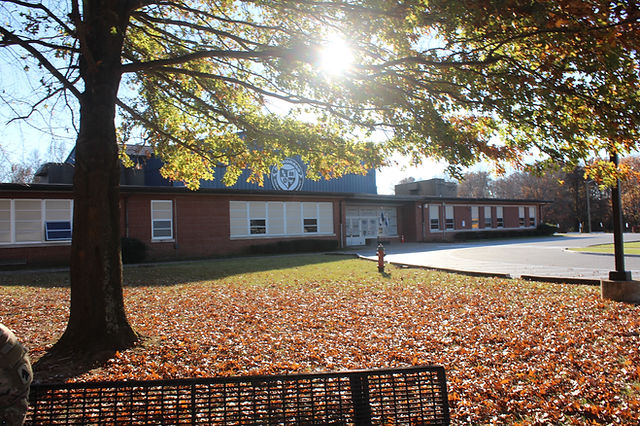
Located on Fort Knox—an active U.S. Army installation—cadets train alongside real military infrastructure. Facilities include barracks housing, classrooms, dining facilities, and outdoor training areas. The campus provides an authentic military environment with access to athletic fields and physical training areas on the installation.
Note: Youth Challenge programs emphasize physical fitness as one of the Eight Core Components, focusing on building endurance, strength, and healthy habits rather than varsity athletics.
Photo Gallery

Related Schools
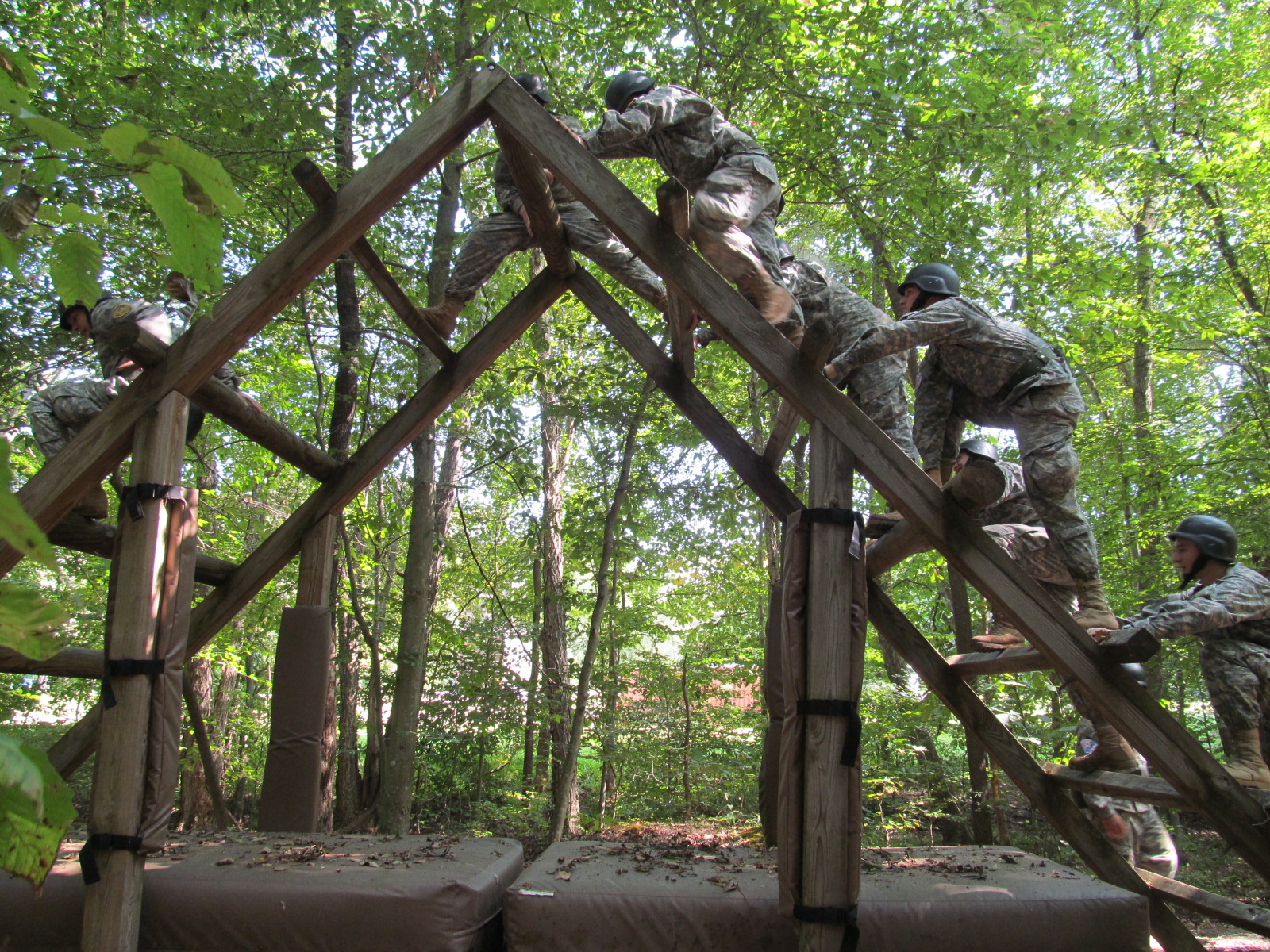
Appalachian Challenge Academy
Grays Knob, KY
Free 22-week Kentucky National Guard Youth Challenge program in Grays Knob for at-risk 16-18-year-olds: GED completion, high school credits, and trade certifications.
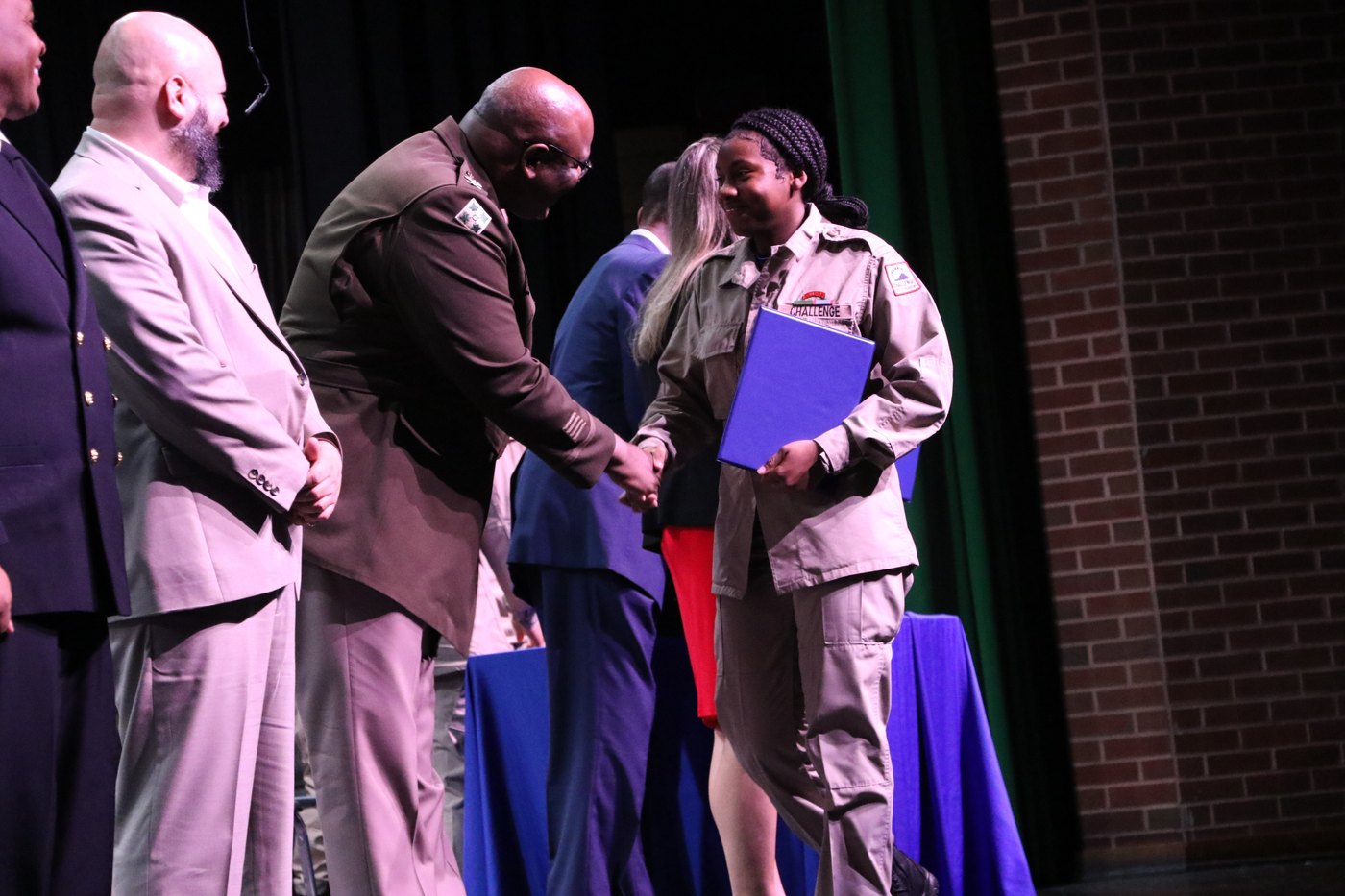
Commonwealth Challenge Youth Academy
Virginia Beach, VA
Commonwealth Challenge is Virginia's tuition-free National Guard Youth Challenge program in Virginia Beach — a 22-week residential phase of GED prep, life skills, and discipline.
Hoosier Youth Challenge Academy
Knightstown, IN
Tuition-free National Guard Youth Challenge program in Knightstown, Indiana. The 22-week residential course helps ages 16-18 earn a GED or diploma and build life skills.
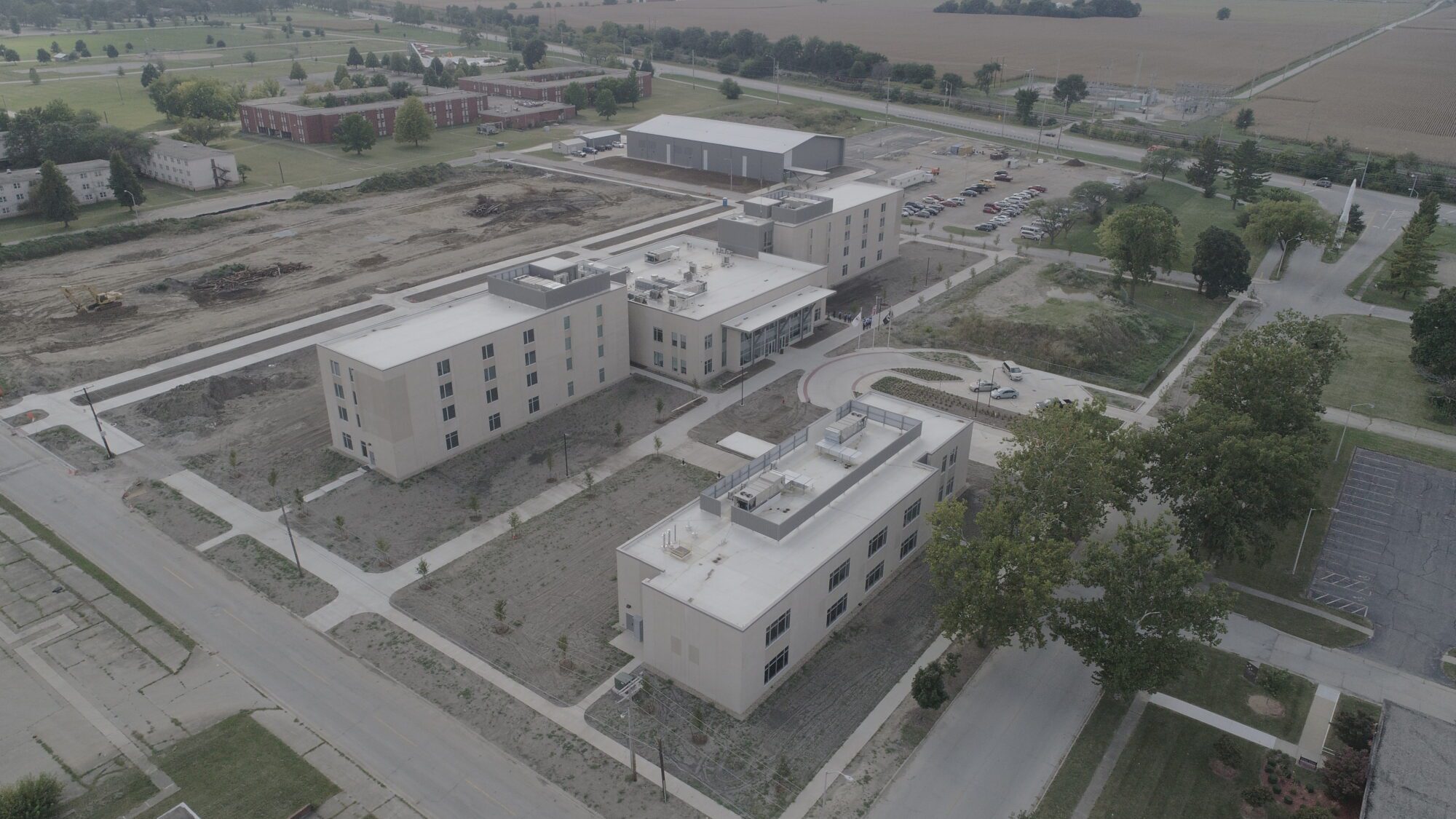
Lincoln's Challenge Academy
Rantoul, IL
Lincoln's Challenge Academy in Rantoul is Illinois' free 22-week National Guard program for ages 16-18 — the nation's largest single-site Youth Challenge academy.
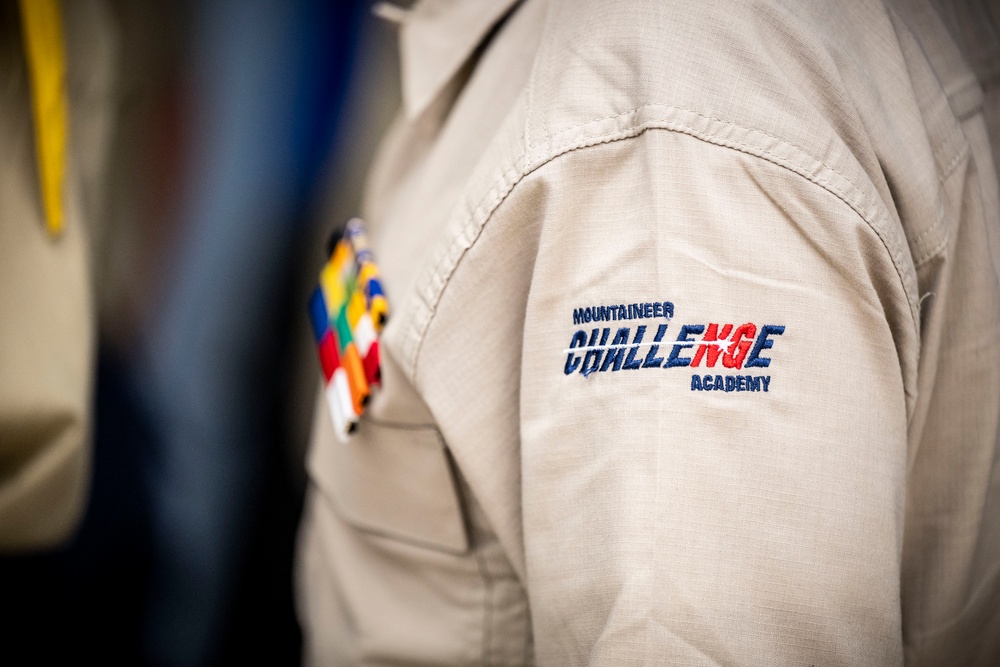
Mountaineer Challenge Academy
Kingwood, WV
Tuition-free 22-week West Virginia National Guard residential program where at-risk youth ages 16-18 earn a high school diploma. Campuses in Kingwood and Montgomery.

Alaska Military Youth Academy
JBER, AK
Tuition-free 22-week National Guard Youth Challenge program at Joint Base Elmendorf-Richardson for at-risk Alaska youth ages 16-18. Coed, residential, founded 1994.
Guides & Resources
National Guard Youth Challenge Academies: What to Expect
Free 22-week National Guard residential programs for teens 16-18 who are behind in school. Eligibility, what to expect, and the academy in your state.
Free Military Schools: 4 Tuition-Free Options
Yes — four options charge no tuition: public military academies, charter schools, service academies, and Youth Challenge. Private boarding runs $25,500-$67,000.
Military School vs. Therapeutic Boarding School
Military schools build leaders; therapeutic programs treat crises. Compare purpose, staff, and cost — $30,000-$65,000 a year vs. $10,000-$20,000 a month.
New York's Excelsior Scholarship: A Free Path to SUNY Maritime
New York families earning under $125,000 can attend SUNY Maritime College tuition-free through the Excelsior Scholarship—military structure, maritime careers.
Alabama's CHOOSE Act ESA: $7,000 Toward Military School
Alabama's CHOOSE Act ESA provides $7,000 per student toward private school tuition, including military school. Eligibility, deadlines, and how to apply.
Texas Hazlewood Act: 150 Hours of Free College Tuition
The Hazlewood Act gives Texas veterans up to 150 hours of free tuition at public colleges, including Texas A&M's Corps of Cadets. Unused hours transfer to children.