
Texas Challenge Academy
Eagle Lake, TX
"To reclaim the potential of at-risk youth through education, training, mentoring and service to community."
National Guard Youth Challenge Program
Free Intervention Program for At-Risk Youth Ages 16-18
At a Glance
Established
1993
Program Type
Youth Challenge
Administered By
National Guard
State
Texas
Accreditations
The Verdict
The Texas Challenge Academy represents one of the Lone Star State's most transformative second-chance programs for at-risk youth. Originally founded in 1993 as the Seaborne Conservation Corps in partnership with the U.S. Navy and Texas A&M at Galveston, the program evolved into a National Guard Youth Challenge Program in 1999 and now operates solely under the Texas Military Department.
After Hurricane Ike devastated the Galveston campus in 2008, operations relocated and eventually consolidated to the Eagle Lake campus in 2018. The program has graduated over 3,000 students since 1999, with alumni going on to serve in all branches of the military, become police officers, corporate managers, and successful professionals. The 5.5-month residential phase combined with 12 months of mentoring creates a 17.5-month commitment that transforms lives—completely tuition-free for Texas families.
About
Texas Challenge Academy is a tuition-free 5.5-month Texas National Guard residential program in Eagle Lake for teens 15½ to 18 earning a diploma or GED.
Admissions & Selectivity
Admissions Philosophy
open
Key Requirements
- Age 15.5 to 18 years old
- U.S. Citizen and Texas Resident
- Physically and mentally capable of full participation
- Preferably disengaged from traditional schooling or at-risk of dropping out
- Drug-free at time of enrollment (not a drug treatment facility)
- Not under court supervision by the Texas Juvenile Justice Department
- Voluntary enrollment (not a boot camp or detention center)
Location
Program Details
Eligible Ages
16-18 years old
Residential Phase
22 weeks
Mentorship Phase
12 months
Cost
FREE
Annual Enrollment
150
Gender
coed
Eligibility
State Resident
Participation
Voluntary
Barracks Life
Housing Type
barracks
Daily Schedule
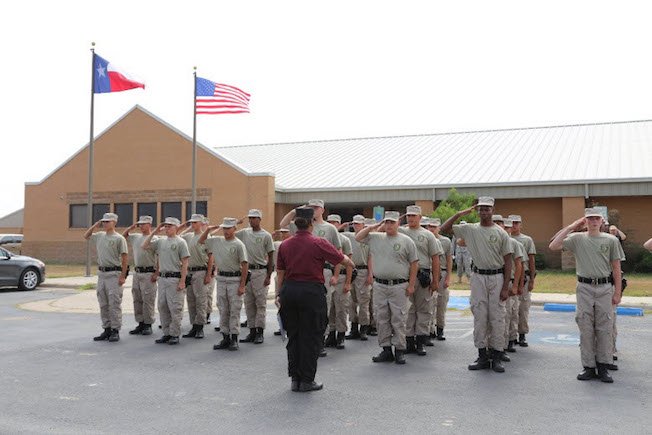
Cadets follow a highly structured military-style schedule beginning with Reveille at 4:30 AM followed by physical training from 5:00-6:00 AM. Academic instruction runs from 8:00 AM to 3:45 PM with lunch and life skills breaks. Small unit and remedial training occurs at 4:30 PM, with Lights Out at 8:30 PM. Special activities include Monday awards formations, Saturday community service projects, and Sunday reflection time. Cadets have no access to social media, television, or radios, and are permitted only one phone call home per week to eliminate outside distractions and maximize focus on personal development.
Discipline Model
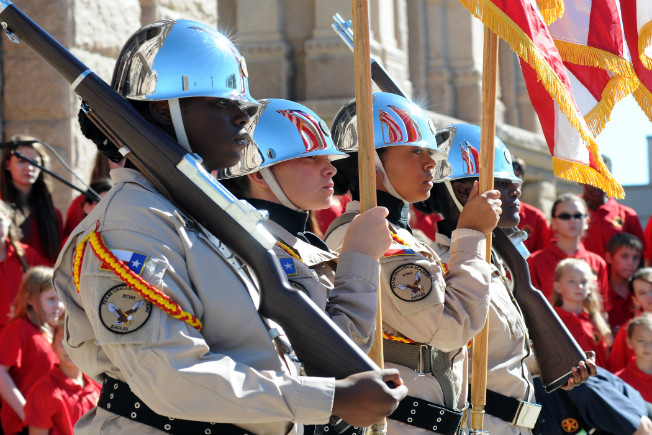
The quasi-military discipline model emphasizes structure, accountability, and self-improvement rather than punishment. Cadets progress through ranks and earn cadet status during the 4-week acclimation period. The program focuses on eight core components: academic excellence, health and hygiene, job skills, leadership and followership, life-coping skills, physical fitness, responsible citizenship, and service to community. The environment is designed to build personal accountability and leadership skills through a chain of command structure. This is not a juvenile detention center or court-ordered program—participation is entirely voluntary, requiring buy-in from cadets and their families.
Program Outcomes
Success Metrics
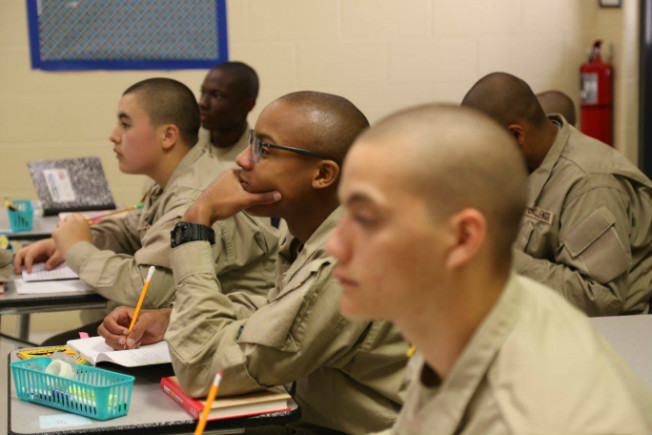
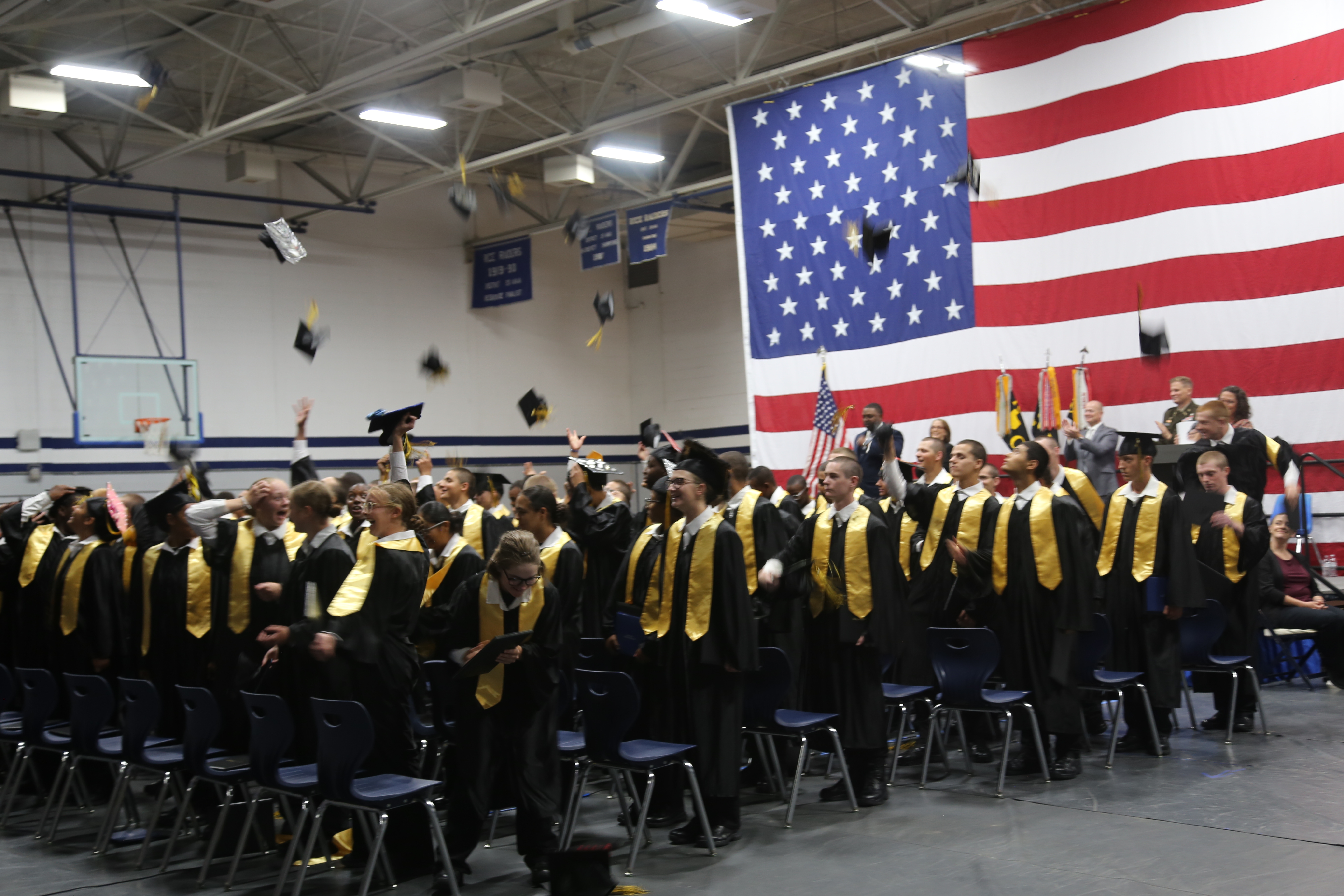
TCA partners with Rice Consolidated Independent School District in Eagle Lake, Texas as its academic provider. Cadets can earn their high school diploma or GED during the residential phase. Recent graduation statistics show approximately one-third of graduates receiving high school diplomas and 15-20% earning GEDs. Many graduates return to traditional high school with renewed focus, while others proceed directly to college, military service, or the workforce with completed job skills training.
Post-Program Pathways
While TCA focuses on foundational education and GED/diploma completion rather than service academy preparation, many graduates go on to enlist in all branches of the U.S. military. Approximately one-third of graduates express interest in military service. Alumni have served in the U.S. Navy, Air Force, Marine Corps, Army, and National Guard, with some achieving decorated careers including service in Operation Iraqi Freedom and advancement to positions such as Staff Sergeant working on advanced drone aircraft systems.
Note: Youth Challenge programs focus on GED completion, credit recovery, and life skills development—not traditional college prep metrics.
Physical Training
Physical Fitness Program
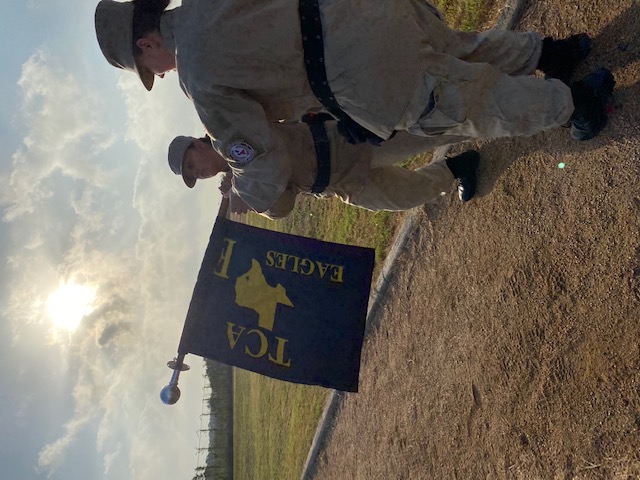
Daily physical training (PT) is a cornerstone of the TCA experience, occurring every morning from 5:00-6:00 AM. Physical fitness is one of the eight core components of the program, with all cadets required to participate regardless of prior fitness level. The PT program is designed to build endurance, strength, discipline, and teamwork while instilling healthy habits that last beyond graduation. Additional physical activity occurs through drill and ceremony practice, community service projects requiring manual labor, and structured recreation periods.
Physical Activities
Facilities
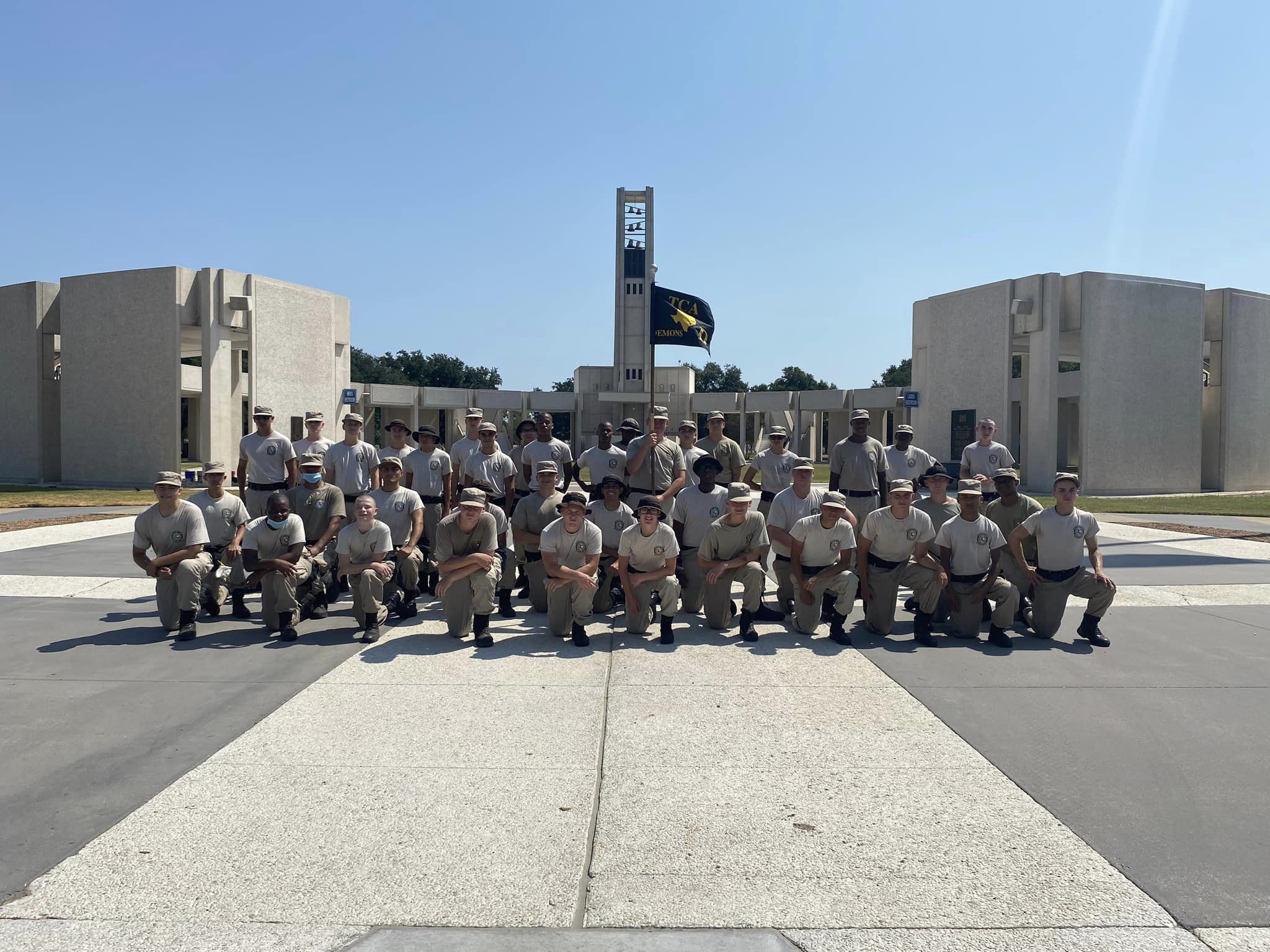
The Eagle Lake campus features barracks-style housing, academic classrooms partnered with Rice CISD, physical training areas, drill fields, and community gathering spaces. The rural Texas setting provides ample outdoor space for physical training, community service projects, and team-building activities. The campus consolidation from Sheffield in 2018 brought all operations to this single location, creating a unified training environment for approximately 100-200 cadets per cycle.
Note: Youth Challenge programs emphasize physical fitness as one of the Eight Core Components, focusing on building endurance, strength, and healthy habits rather than varsity athletics.
Photo Gallery

Related Schools
Louisiana National Guard Youth Challenge Program - Camp Beauregard
Pineville, LA
Free 22-week residential Youth Challenge program at Camp Beauregard in Pineville for Louisiana youth ages 16-18. HiSET/GED prep, life skills, and discipline since 1993.
Louisiana National Guard Youth Challenge Program - Camp Minden
Minden, LA
Free 22-week residential Youth Challenge program at Camp Minden near Shreveport, Louisiana. Cadets ages 16-18 earn a HiSET/GED in a structured military-style setting.
Louisiana National Guard Youth Challenge Program - Gillis Long
Carville, LA
Free 22-week residential Youth Challenge program at the Gillis Long Center in Carville, south of Baton Rouge. Louisiana youth ages 16-18 earn a HiSET/GED.

New Mexico National Guard Youth Challenge Academy
Roswell, NM
Free 22-week residential National Guard program in Roswell for New Mexico youth ages 15.5-18, combining HiSET prep with 12-18 college credits through ENMU-Roswell.
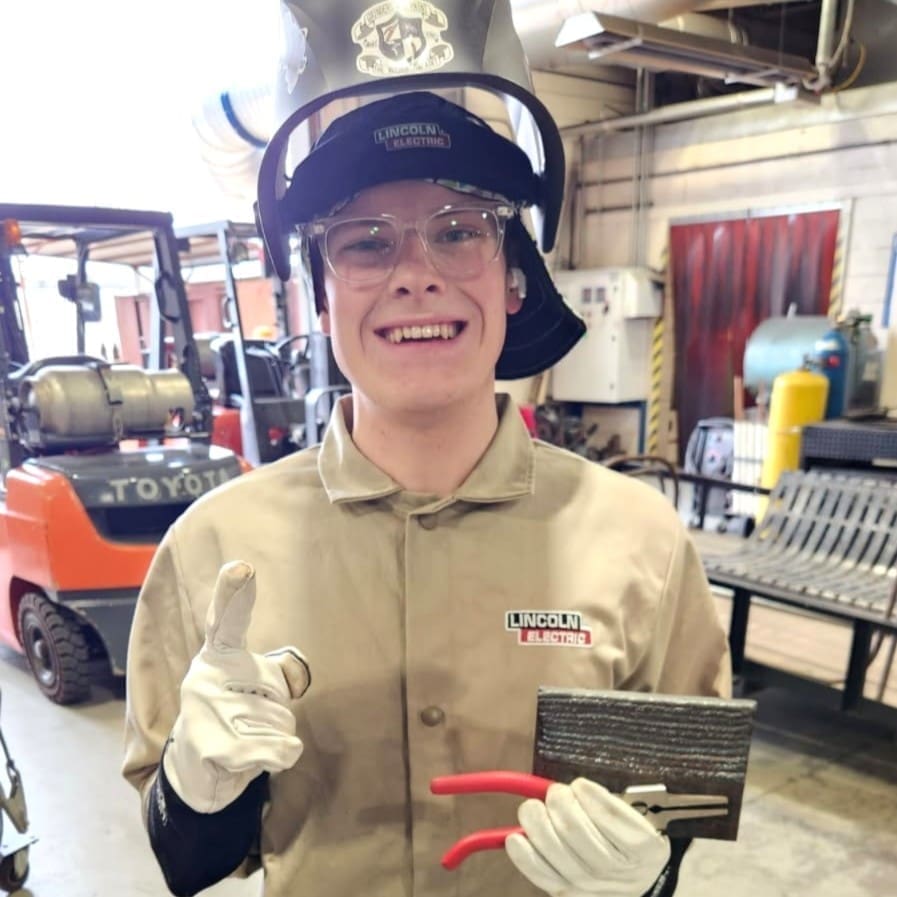
Sooner Job Challenge
Oklahoma City, OK
Tuition-free five-month career-training program in Oklahoma City for Thunderbird Challenge graduates ages 17-21, with certifications through Metro Tech. Opened 2025.
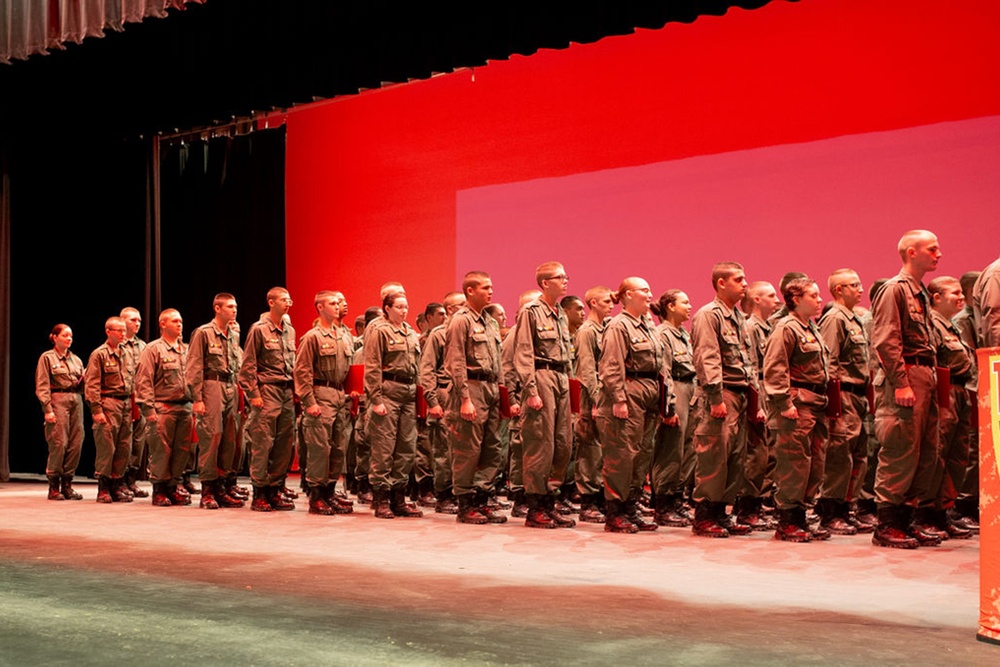
Thunderbird Youth Challenge Program
Pryor Creek, OK
Thunderbird Youth Challenge is a free 22-week National Guard residential program in Pryor Creek for off-track Oklahoma teens. Nearly 6,000 graduates since 1993.
Guides & Resources
Texas Hazlewood Act: 150 Hours of Free College Tuition
The Hazlewood Act gives Texas veterans up to 150 hours of free tuition at public colleges, including Texas A&M's Corps of Cadets. Unused hours transfer to children.
National Guard Youth Challenge Academies: What to Expect
Free 22-week National Guard residential programs for teens 16-18 who are behind in school. Eligibility, what to expect, and the academy in your state.
Free Military Schools: 4 Tuition-Free Options
Yes — four options charge no tuition: public military academies, charter schools, service academies, and Youth Challenge. Private boarding runs $25,500-$67,000.
Military School vs. Therapeutic Boarding School
Military schools build leaders; therapeutic programs treat crises. Compare purpose, staff, and cost — $30,000-$65,000 a year vs. $10,000-$20,000 a month.
Military School Readiness Checklist: Is Your Child Ready?
A 52-point checklist covering physical, emotional, attitude, and family readiness for military school — with honest scoring and what to do if the answer is not yet.
Sports, Arts & Extracurriculars at Military Schools
Military schools offer varsity sports from football to rifle team, plus marching band, drama, robotics, and flight training toward a private pilot's license.