Thunderbird Youth Challenge Program
Pryor Creek, OK
"Dream. Believe. Achieve."
National Guard Youth Challenge Program
Free Intervention Program for At-Risk Youth Ages 16-18
At a Glance
Established
1993
Program Type
Youth Challenge
Administered By
National Guard
State
Oklahoma
The Verdict
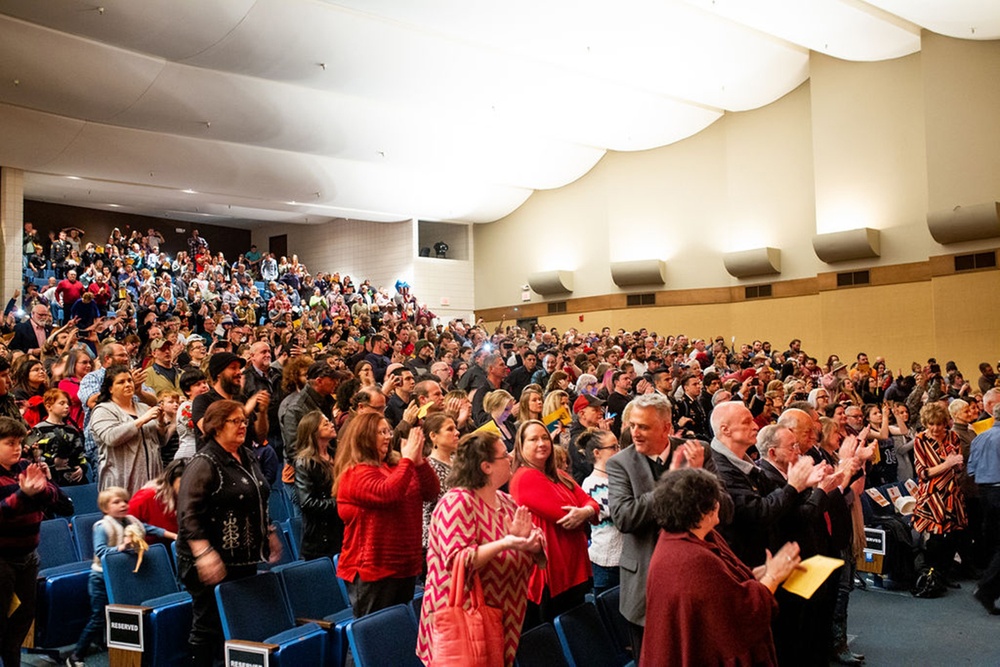
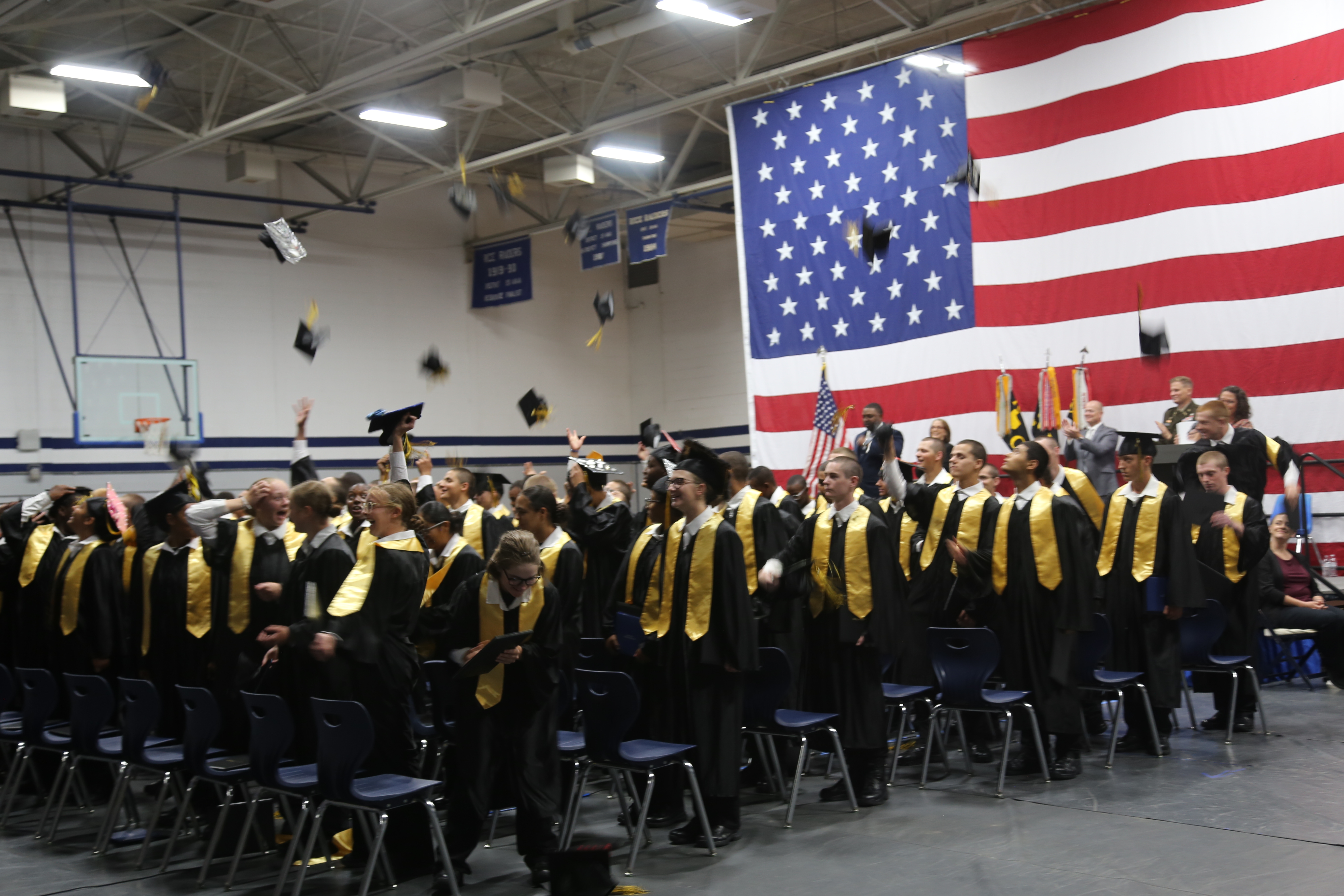
Established in 1993 as one of the original ten National Guard Youth Challenge pilot programs, the Thunderbird Challenge Program has transformed nearly 6,000 Oklahoma youth into confident young leaders. Located on over 600 acres of the former Whitaker Education Training Center in Pryor Creek, Oklahoma, this free 22-week residential program is the only military-style academy of its kind in the state.
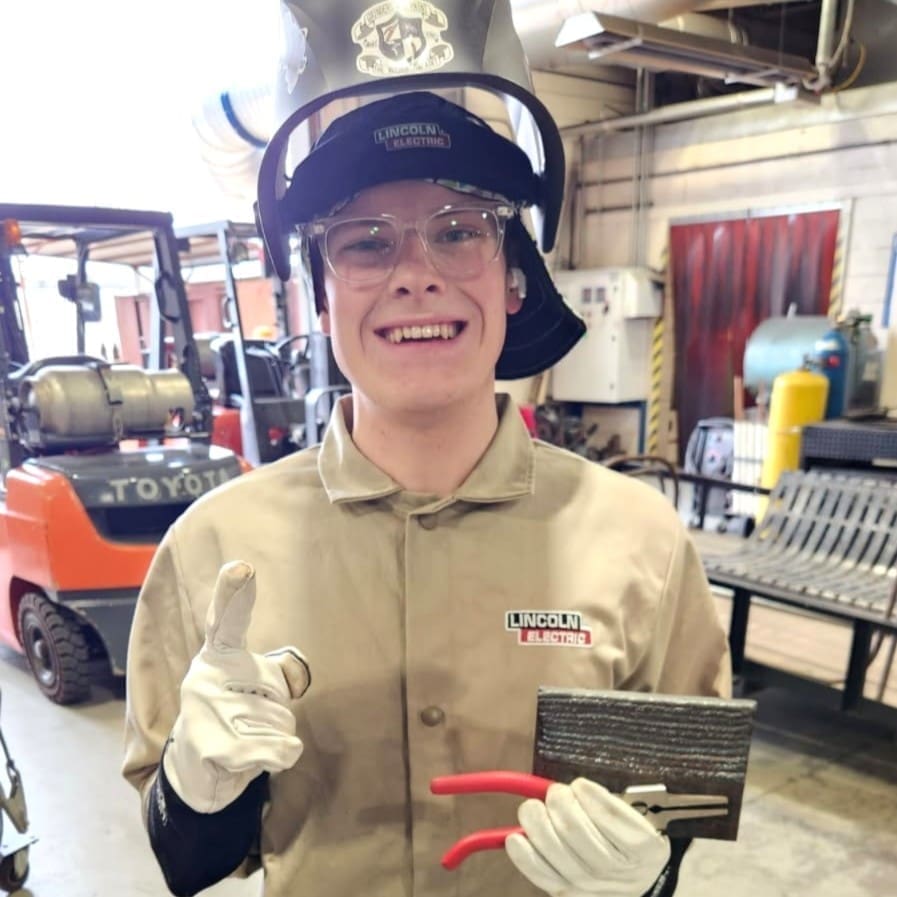
With their most recent graduating class of 141 cadets—the largest in program history—Thunderbird continues to reclaim the lives of at-risk youth ages 16-18 (entry accepted from 15 years, 7 months) through a structured environment built on Challenge, Respect, and Education. Living by their motto "Dream. Believe. Achieve." the program's partnership with Northeast Tech provides cadets with vocational training opportunities, preparing them for careers in nursing, criminal justice, HVAC, construction, and numerous other fields.
Campus & Cadet Life
About
Thunderbird Youth Challenge is a free 22-week National Guard residential program in Pryor Creek for off-track Oklahoma teens. Nearly 6,000 graduates since 1993.
Admissions & Selectivity
Admissions Philosophy
developmental
Key Requirements
- Age 15 years 7 months to 18 years 11 months at entry (cannot turn 19 before class start)
- Oklahoma resident and U.S. citizen or lawful permanent resident
- No existing high school diploma or GED
- No felony or capital offense convictions
- Not on adult parole or probation (juvenile probation may be accepted if no court dates conflict)
- Physically and mentally capable of full program participation
- All future court dates must be after the 22-week residential phase
- Must have a committed mentor throughout the program
- Voluntary enrollment with parental consent
Location
Program Details
Eligible Ages
16-18 years old
Residential Phase
22 weeks
Mentorship Phase
12 months
Cost
FREE
Annual Enrollment
375
Gender
coed
Eligibility
State Resident
Participation
Voluntary
Barracks Life
Housing Type
barracks
Daily Schedule
The 22-week residential phase operates 24 hours a day, 7 days a week with a rigorous military-style structure. Cadets live on campus continuously with periodic weekend passes when parents or guardians must arrange transportation. The program is built around the eight core components: Academic Excellence, Life Coping Skills, Job Skills, Health and Hygiene, Responsible Citizenship, Service to Community, Leadership/Followership, and Physical Fitness. Electronics including cell phones are prohibited during the residential phase, though cadets may receive mail from family and friends. Parents cannot visit during the residential phase, but two mandatory weekend passes occur during the program.
Discipline Model
Quasi-military discipline model emphasizing self-discipline, teamwork, resilience, and respect. The program is completely tobacco, drug, and alcohol-free with random drug testing at the program's discretion. Cadets wear issued uniforms throughout the residential phase and follow a strict code of conduct. The mentorship component is mandatory; every cadet must have a committed mentor who serves as a vital support system during and after the residential phase. Medical staff are on shift or on-call 24 hours to maintain cadet health and safety.
Program Outcomes
Success Metrics
Approximately 30% pursue higher education
Post-Program Pathways
Approximately 10% of graduates choose to enlist in military service (National Guard, Army, Navy, and other branches)
Note: Youth Challenge programs focus on GED completion, credit recovery, and life skills development—not traditional college prep metrics.
Physical Training
Physical Fitness Program
Daily physical training is a core component of the program, integrated into the military-style structure. During the acclimation period, candidates begin their Physical Fitness test which includes a 1-mile run, pushups, and sit-ups. Circuit training sessions have cadets sprinting to different stations performing exercises including squats, lunges, mountain climbers, and other calisthenics. Physical fitness assessments are conducted throughout the program to measure improvement, and all cadets are expected to demonstrate progress across cardiovascular endurance, muscular strength, and flexibility.
Physical Activities
Facilities
The 600+ acre campus on the former Whitaker Education Training Center in northeastern Oklahoma features residential barracks, academic classrooms, and physical training areas. Cadets have access to fitness areas for circuit training and physical fitness testing, as well as outdoor drill and training grounds. The partnership with Northeast Tech provides cadets access to vocational training facilities for hands-on learning in various trades including HVAC, construction, electrical engineering, and phlebotomy. Medical services are available on-site with staff either on shift or on call 24 hours.
Note: Youth Challenge programs emphasize physical fitness as one of the Eight Core Components, focusing on building endurance, strength, and healthy habits rather than varsity athletics.
Photo Gallery
Related Schools
Sooner Job Challenge
Oklahoma City, OK
Tuition-free five-month career-training program in Oklahoma City for Thunderbird Challenge graduates ages 17-21, with certifications through Metro Tech. Opened 2025.

New Mexico National Guard Youth Challenge Academy
Roswell, NM
Free 22-week residential National Guard program in Roswell for New Mexico youth ages 15.5-18, combining HiSET prep with 12-18 college credits through ENMU-Roswell.
Texas Challenge Academy
Eagle Lake, TX
Texas Challenge Academy is a tuition-free 5.5-month Texas National Guard residential program in Eagle Lake for teens 15½ to 18 earning a diploma or GED.

Alaska Military Youth Academy
JBER, AK
Tuition-free 22-week National Guard Youth Challenge program at Joint Base Elmendorf-Richardson for at-risk Alaska youth ages 16-18. Coed, residential, founded 1994.
Appalachian Challenge Academy
Grays Knob, KY
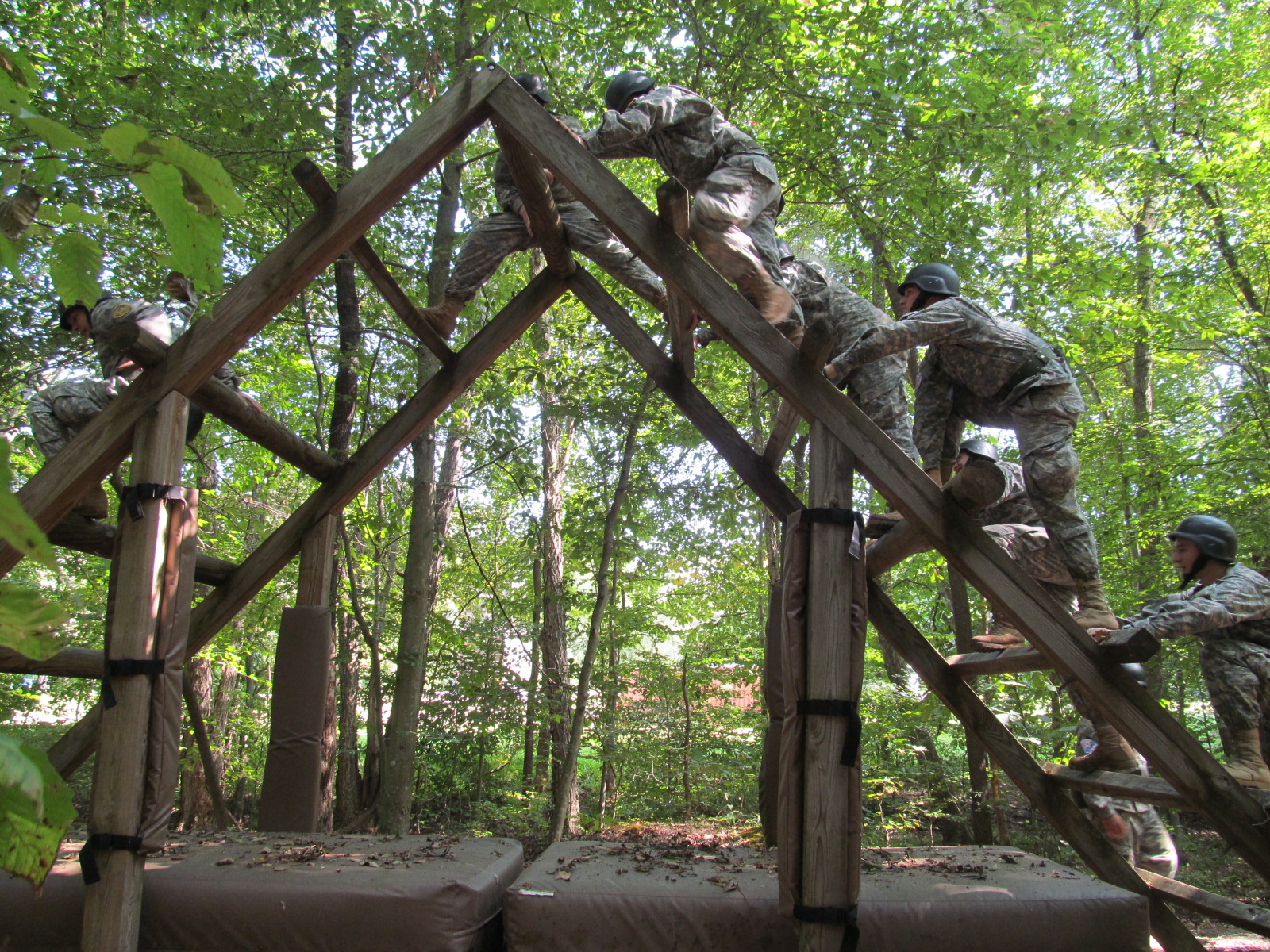
Free 22-week Kentucky National Guard Youth Challenge program in Grays Knob for at-risk 16-18-year-olds: GED completion, high school credits, and trade certifications.
Battle Born Youth Challenge Academy
Carlin, NV
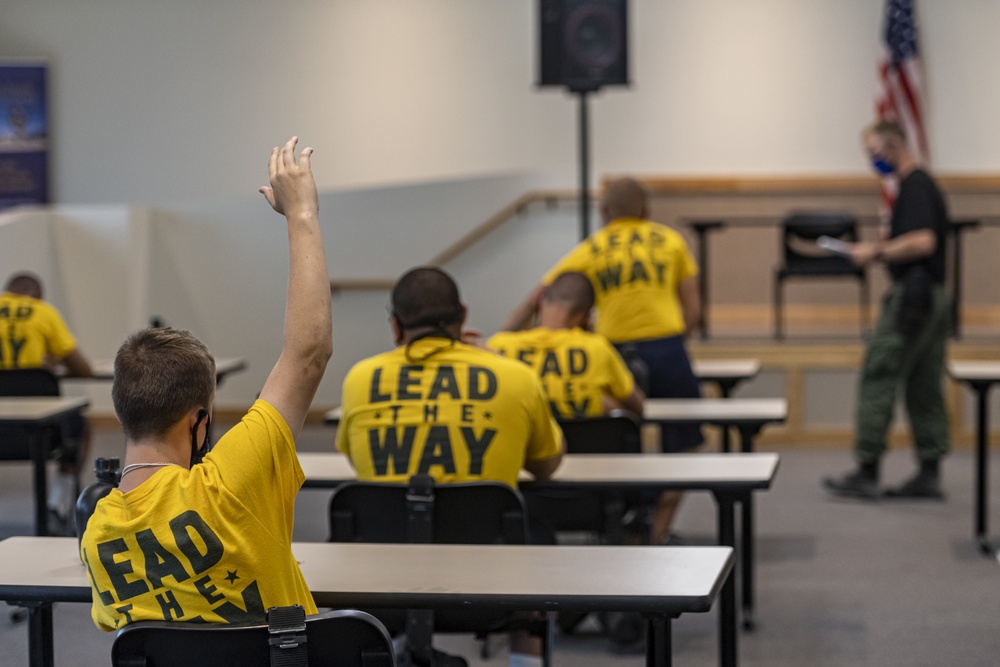
Battle Born Youth Challenge Academy in Carlin is Nevada's tuition-free National Guard program for at-risk youth ages 16-18 — 22 weeks of credit recovery and life skills.
Guides & Resources
National Guard Youth Challenge Academies: What to Expect
Free 22-week National Guard residential programs for teens 16-18 who are behind in school. Eligibility, what to expect, and the academy in your state.
Free Military Schools: 4 Tuition-Free Options
Yes — four options charge no tuition: public military academies, charter schools, service academies, and Youth Challenge. Private boarding runs $25,500-$67,000.
Military School vs. Therapeutic Boarding School
Military schools build leaders; therapeutic programs treat crises. Compare purpose, staff, and cost — $30,000-$65,000 a year vs. $10,000-$20,000 a month.
Career Paths After Military School: Most Grads Go Civilian
70-80% of military school graduates go on to civilian colleges and careers—in business, law, medicine, and tech—and employers value the discipline they bring.
Virginia Private School Tax Credit: EISTC Cuts Tuition 65%
Virginia's EISTC gives a 65% state tax credit for donations to scholarship foundations — a $10,000 gift can cost ~$2,625 and fund private military school tuition.
20 U.S. Military Boarding Schools (2026–2027)
Every private military boarding school in America — 20 academies with 2026–2027 tuition from $25,500 to $67,000 — plus coed options and free alternatives.