
Michigan Youth Challenge Academy
Battle Creek, MI
"Dream. Believe. Achieve."
National Guard Youth Challenge Program
Free Intervention Program for At-Risk Youth Ages 16-18
At a Glance
Established
1999
Program Type
Youth Challenge
Administered By
National Guard
State
Michigan
The Verdict
Located at historic Fort Custer in Battle Creek, Michigan Youth Challenge Academy has transformed nearly 5,000 at-risk youth since 1999 into productive citizens—completely free of charge. This 22-week residential program combines National Guard discipline with Marshall Public Schools academics, achieving a 95% graduation rate compared to Michigan's 81% state average.
Cadets don't just earn diplomas or GEDs—they earn welding certifications, first aid credentials, and culinary skills while performing thousands of hours of community service. The military model teaches accountability without military obligation: wake up early, make your bed, march in formation, and learn to lead.
Campus & Cadet Life
About
Tuition-free National Guard program in Battle Creek for at-risk Michigan teens ages 15.5-18: a 22-week residential phase plus 12-month mentorship toward a diploma or GED.
Admissions & Selectivity
Admissions Philosophy
developmental
Key Requirements
- Must be 15.5 to 18 years old at start of cycle
- Michigan resident
- At risk of not graduating high school or dropped out
- Drug-free and crime-free
- Voluntary participation (cannot be court-ordered)
- Attend mandatory information session with parent/guardian
- Complete application and interview process
Location
Program Details
Eligible Ages
16-18 years old
Residential Phase
22 weeks
Mentorship Phase
12 months
Cost
FREE
Annual Enrollment
113
Gender
coed
Eligibility
State Resident
Participation
Voluntary
Barracks Life
Housing Type
barracks
Daily Schedule
Cadets begin early with accountability and personal hygiene, followed by breakfast in formation. The day includes approximately 4 hours of academics through Marshall Public Schools, physical training, drill and ceremony, and community service. Three evenings weekly, cadets attend the Calhoun Area Career Center for vocational training. Study time and personal development occur in the evening before lights out. Cell phones and outside distractions are prohibited throughout the residential phase.
Discipline Model
Military-style structure with cadet chain of command. Cadets learn the code of conduct, proper uniform wear, bed-making, and formation marching during the initial two-week acclimation phase at Fort Custer. The program emphasizes eight core components: academic excellence, job skills, physical fitness, leadership/followership, health/nutrition, life coping skills, responsible citizenship, and service to community. Peer accountability and self-regulation are central to the discipline model.
Program Outcomes
Success Metrics
Varies by cohort
Post-Program Pathways
Not applicable - program focuses on high school completion and vocational certification
Note: Youth Challenge programs focus on GED completion, credit recovery, and life skills development—not traditional college prep metrics.
Physical Training
Physical Fitness Program
Daily physical training based on the President's Challenge fitness test battery. Cadets march in formation to all activities and participate in structured fitness programs that develop endurance, strength, and discipline. Physical fitness is one of the eight core components integrated throughout the residential phase.
Physical Activities
Facilities
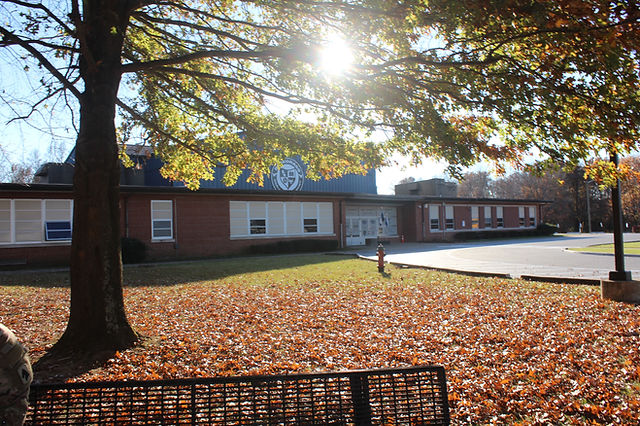
Fort Custer Training Center campus includes barracks housing, classrooms operated by Marshall Public Schools, fitness areas, drill fields, and dining facilities. Cadets also access the VA Medical Center campus and Calhoun Area Career Center for vocational training in welding, culinary arts, first aid, and other trades.
Note: Youth Challenge programs emphasize physical fitness as one of the Eight Core Components, focusing on building endurance, strength, and healthy habits rather than varsity athletics.
Related Schools
Hoosier Youth Challenge Academy
Knightstown, IN
Tuition-free National Guard Youth Challenge program in Knightstown, Indiana. The 22-week residential course helps ages 16-18 earn a GED or diploma and build life skills.
Wisconsin Challenge Academy
Fort McCoy, WI
Free 22-week National Guard residential program at Fort McCoy for at-risk Wisconsin teens ages 16-18. Operating since 1998; 87% of cadets earn an HSED.

Alaska Military Youth Academy
JBER, AK
Tuition-free 22-week National Guard Youth Challenge program at Joint Base Elmendorf-Richardson for at-risk Alaska youth ages 16-18. Coed, residential, founded 1994.
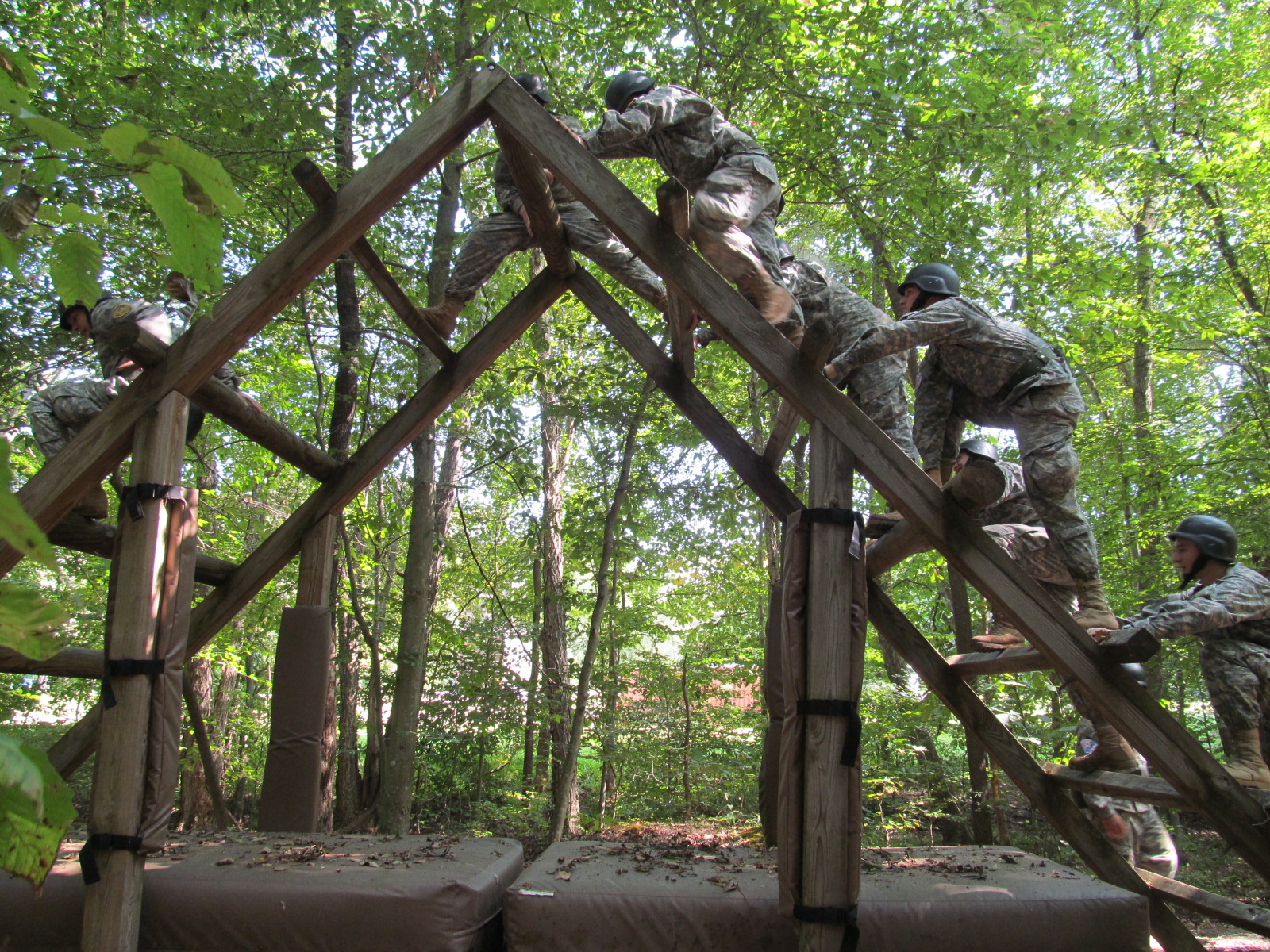
Appalachian Challenge Academy
Grays Knob, KY
Free 22-week Kentucky National Guard Youth Challenge program in Grays Knob for at-risk 16-18-year-olds: GED completion, high school credits, and trade certifications.
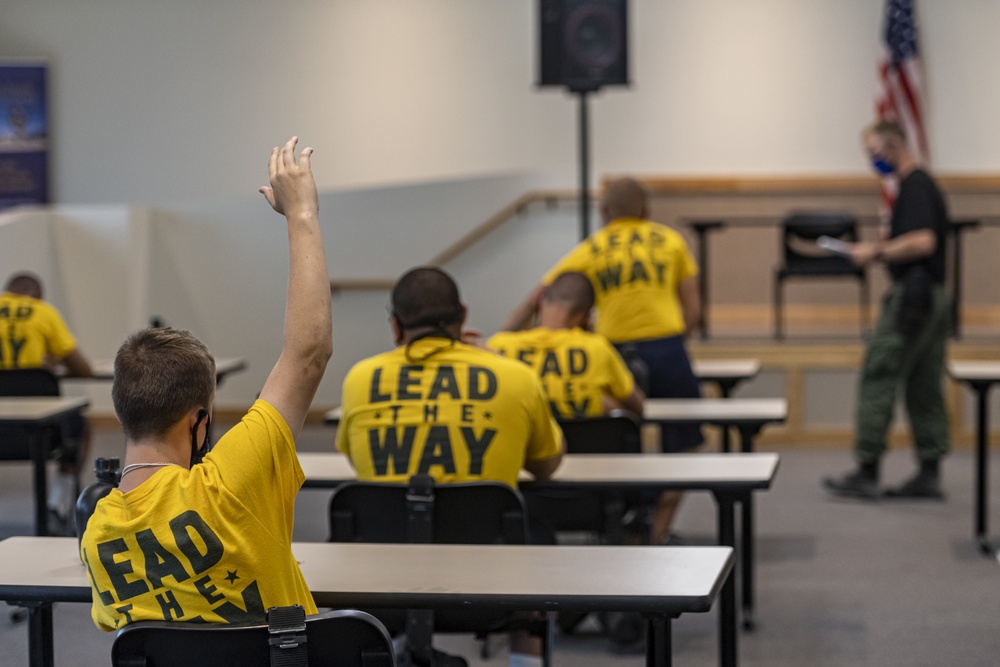
Battle Born Youth Challenge Academy
Carlin, NV
Battle Born Youth Challenge Academy in Carlin is Nevada's tuition-free National Guard program for at-risk youth ages 16-18 — 22 weeks of credit recovery and life skills.
Bluegrass Challenge Academy
Fort Knox, KY
Free 22-week Kentucky National Guard Youth Challenge program at Fort Knox for at-risk 16-18-year-olds: GED completion, credit recovery, and 12-month mentoring.
Guides & Resources
National Guard Youth Challenge Academies: What to Expect
Free 22-week National Guard residential programs for teens 16-18 who are behind in school. Eligibility, what to expect, and the academy in your state.
Free Military Schools: 4 Tuition-Free Options
Yes — four options charge no tuition: public military academies, charter schools, service academies, and Youth Challenge. Private boarding runs $25,500-$67,000.
Military School vs. Therapeutic Boarding School
Military schools build leaders; therapeutic programs treat crises. Compare purpose, staff, and cost — $30,000-$65,000 a year vs. $10,000-$20,000 a month.
Military School Discipline, Culture & Safety
Military school discipline is developmental, not punitive—nothing like a boot camp. How to tell healthy training from hazing, plus 5 questions to ask admissions.
Do Military Schools Allow Phones? The Digital Detox
Most military schools collect phones on weekdays. What happens when a teen spending 7+ hours a day on screens loses them for months? What parents report—and why.
IEPs and 504 Plans at Military Schools
Many military schools honor accommodations like extended test time, but private schools aren't required to follow IEPs. 7 questions to ask admissions first.