Hoosier Youth Challenge Academy
Knightstown, IN
"A Cadet will not lie, cheat, or steal and not tolerate those who do."
National Guard Youth Challenge Program
Free Intervention Program for At-Risk Youth Ages 16-18
At a Glance
Established
2007
Program Type
Youth Challenge
Administered By
National Guard
State
Indiana
The Verdict
The Hoosier Youth Challenge Academy isn't a military school—it's a second chance. Established in 2007 by Governor Mitch Daniels and Maj. Gen. R. Martin Umbarger, HYCA operates on the historic 53-acre campus of the former Indiana Soldiers' and Sailors' Children's Home, which dates to 1865.
The program is entirely free, funded by the National Guard, and has graduated over 2,600 cadets since its founding. HYCA provides at-risk youth ages 16-18 a structured 17.5-month pathway to earn their GED or high school diploma through a partnership with New Castle School Corporation—all with zero military obligation.
About
Tuition-free National Guard Youth Challenge program in Knightstown, Indiana. The 22-week residential course helps ages 16-18 earn a GED or diploma and build life skills.
Admissions & Selectivity
Admissions Philosophy
developmental
Key Requirements
- Must be 16-18 years old at program entry
- Not currently enrolled in or graduated from high school
- Crime-free with no felony convictions or pending court cases
- Drug-free (random testing throughout program)
- Must volunteer to participate willingly
- Physically and mentally capable of participating
- Indiana resident
Location
Program Details
Eligible Ages
16-18 years old
Residential Phase
22 weeks
Mentorship Phase
12 months
Cost
FREE
Annual Enrollment
75
Gender
coed
Eligibility
State Resident
Participation
Voluntary
Barracks Life
Housing Type
barracks
Daily Schedule
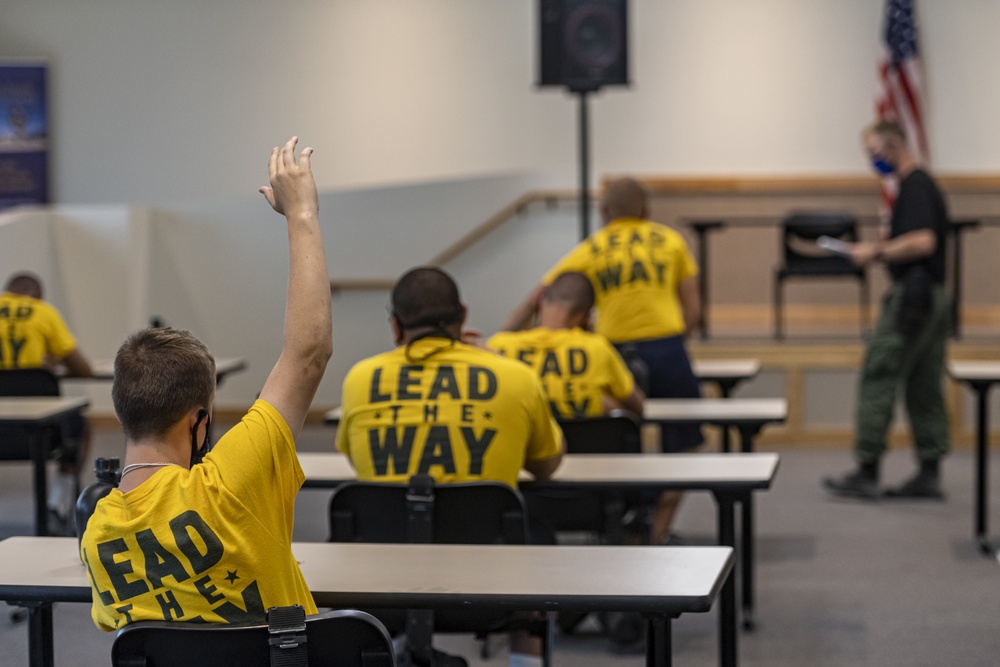
Cadets follow a highly structured quasi-military schedule beginning with morning physical training, followed by academic classes focused on GED preparation or high school credit recovery. The day includes instruction in the eight core components: academic excellence, citizenship, life-coping skills, service to community, health and hygiene, job skills, leadership/followership, and physical fitness. Cadets participate in close-quarters drill, marching formations, and military customs training. Cell phones and personal electronics are prohibited during the residential phase.
Discipline Model
HYCA employs a quasi-military discipline model emphasizing structure, consistency, and accountability. The two-week Acclimation Phase orients candidates by requiring them to relinquish personal items, receive standard haircuts, and exchange street clothes for uniforms—placing all cadets on equal footing. Cadets learn to replace negative behaviors with positive habits through a structured environment. Violations result in progressive discipline, and cadets may be dismissed for excessive disciplinary problems or failed random drug tests. Scheduled home visits occur during breaks such as Memorial Day and Thanksgiving.
Program Outcomes
Success Metrics
Not published (GED/diploma program)
Post-Program Pathways
Not applicable (program focuses on GED/high school completion)
Note: Youth Challenge programs focus on GED completion, credit recovery, and life skills development—not traditional college prep metrics.
Physical Training
Physical Fitness Program
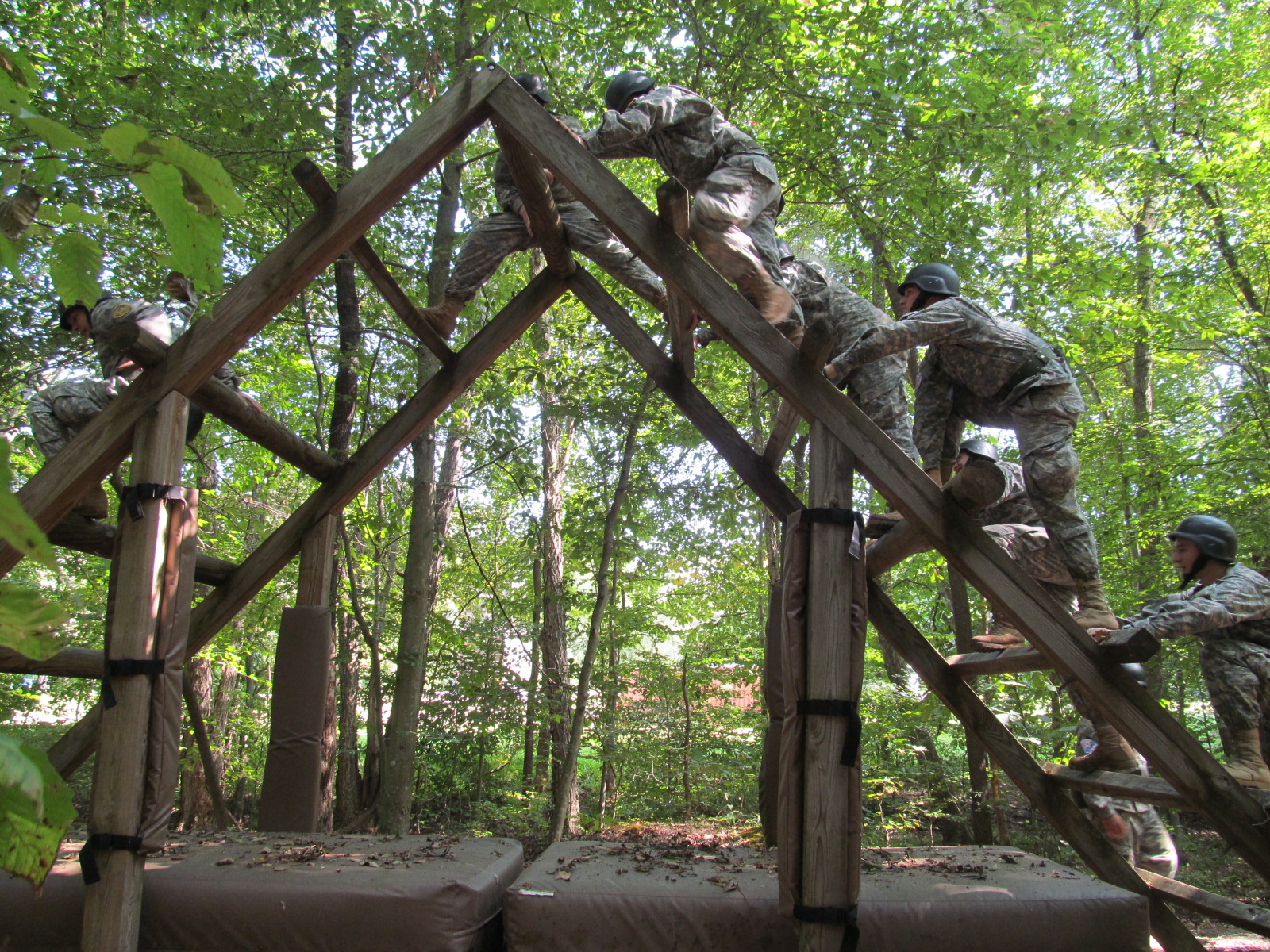
Physical fitness is one of the eight core components and is mandatory for all cadets. Daily physical training follows the Presidential Youth Fitness Program standards, measuring aerobic capacity, body composition, flexibility, muscle strength, and muscular endurance. Phase I of the program concentrates heavily on physical conditioning and attitude adjustment. All cadets must be medically cleared before participating in the fitness regimen.
Physical Activities
Facilities
The 53-acre historic campus in Knightstown includes 50 architecturally significant buildings dating from 1887 to 1980, originally constructed for the Indiana Soldiers' and Sailors' Children's Home. The property, listed on the National Register of Historic Places in 2011, features administrative buildings, academic classrooms, residential cottages, a chapel, recreational areas, and outdoor training grounds. The campus maintains the historic character of the original children's home while serving the academy's military-style training mission.
Note: Youth Challenge programs emphasize physical fitness as one of the Eight Core Components, focusing on building endurance, strength, and healthy habits rather than varsity athletics.
Photo Gallery


Related Schools
Appalachian Challenge Academy
Grays Knob, KY
Free 22-week Kentucky National Guard Youth Challenge program in Grays Knob for at-risk 16-18-year-olds: GED completion, high school credits, and trade certifications.
Bluegrass Challenge Academy
Fort Knox, KY
Free 22-week Kentucky National Guard Youth Challenge program at Fort Knox for at-risk 16-18-year-olds: GED completion, credit recovery, and 12-month mentoring.
Lincoln's Challenge Academy
Rantoul, IL
Lincoln's Challenge Academy in Rantoul is Illinois' free 22-week National Guard program for ages 16-18 — the nation's largest single-site Youth Challenge academy.
Michigan Youth Challenge Academy
Battle Creek, MI
Tuition-free National Guard program in Battle Creek for at-risk Michigan teens ages 15.5-18: a 22-week residential phase plus 12-month mentorship toward a diploma or GED.

Alaska Military Youth Academy
JBER, AK
Tuition-free 22-week National Guard Youth Challenge program at Joint Base Elmendorf-Richardson for at-risk Alaska youth ages 16-18. Coed, residential, founded 1994.
Battle Born Youth Challenge Academy
Carlin, NV
Battle Born Youth Challenge Academy in Carlin is Nevada's tuition-free National Guard program for at-risk youth ages 16-18 — 22 weeks of credit recovery and life skills.
Guides & Resources
National Guard Youth Challenge Academies: What to Expect
Free 22-week National Guard residential programs for teens 16-18 who are behind in school. Eligibility, what to expect, and the academy in your state.
Free Military Schools: 4 Tuition-Free Options
Yes — four options charge no tuition: public military academies, charter schools, service academies, and Youth Challenge. Private boarding runs $25,500-$67,000.
Military School vs. Therapeutic Boarding School
Military schools build leaders; therapeutic programs treat crises. Compare purpose, staff, and cost — $30,000-$65,000 a year vs. $10,000-$20,000 a month.
Military Schools for Girls: Every Option in the U.S. (2026)
Military schools for girls: the nation's only all-female cadet corps, Culver Girls Academy, coed boarding from ~$32,500/year, and free public options by state.
IEPs and 504 Plans at Military Schools
Many military schools honor accommodations like extended test time, but private schools aren't required to follow IEPs. 7 questions to ask admissions first.
Military High Schools: Free Public, Charter & Boarding
The U.S. has 50+ military high schools — most are tuition-free. Compare public and charter academies, private boarding schools, and free Youth Challenge programs.