Wisconsin Challenge Academy
Fort McCoy, WI
"A Choice... A Challenge... A Change"
National Guard Youth Challenge Program
Free Intervention Program for At-Risk Youth Ages 16-18
At a Glance
Established
1998
Program Type
Youth Challenge
Administered By
National Guard
State
Wisconsin
The Verdict
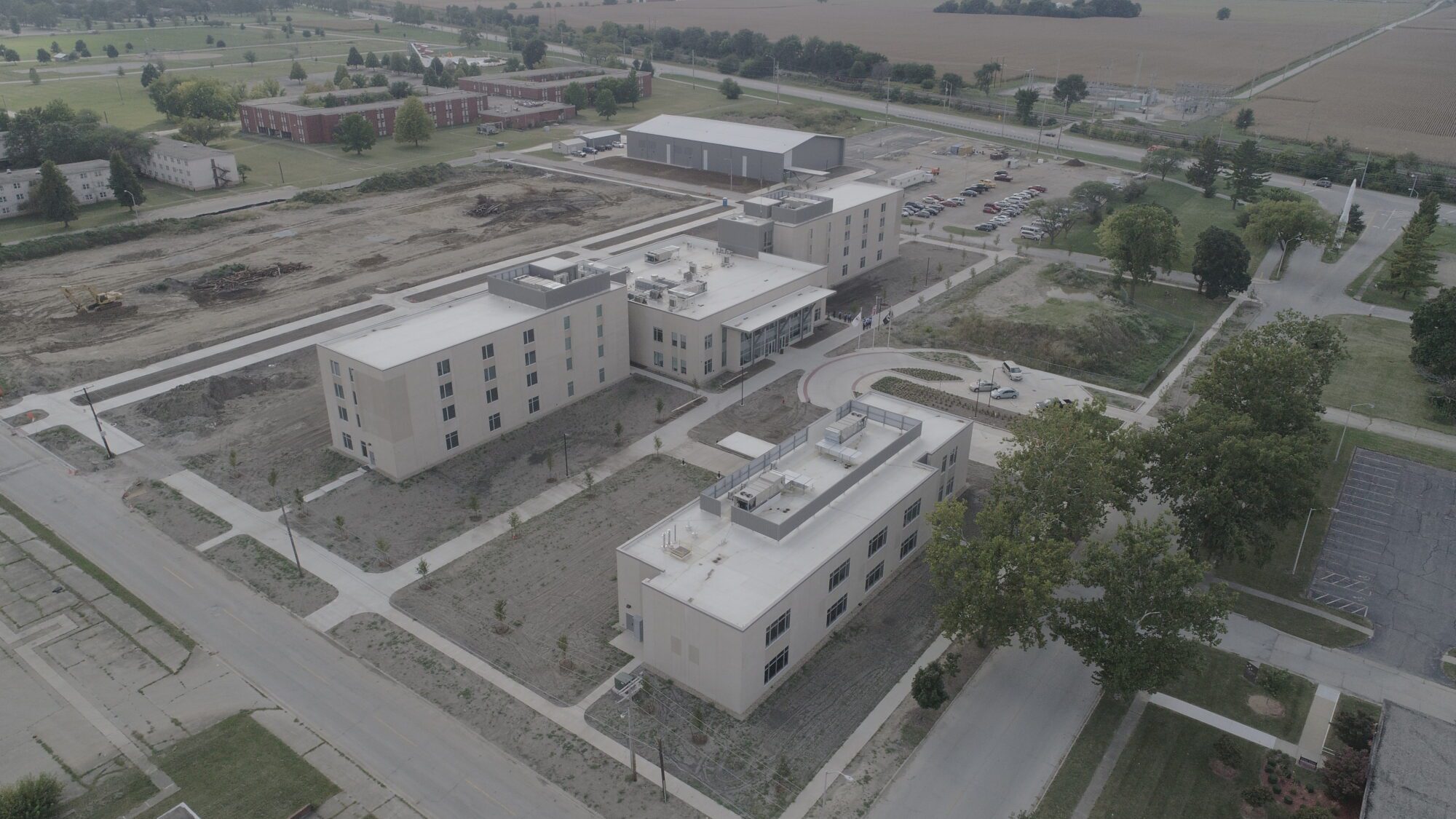
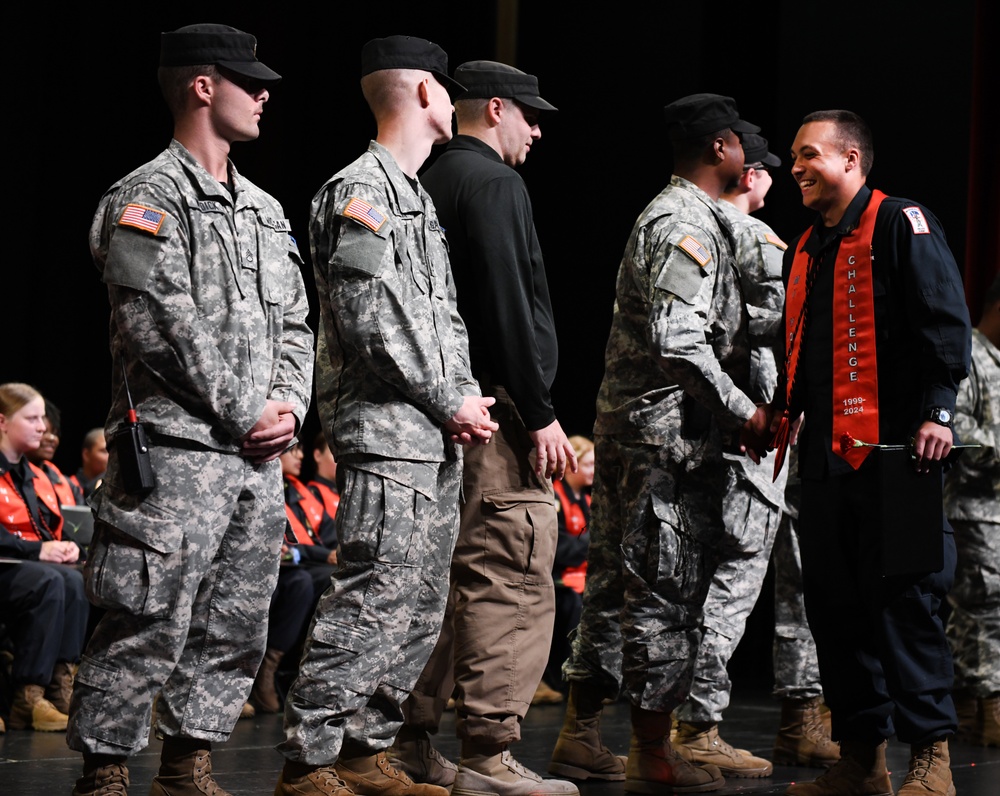
Located on the 60,000-acre Fort McCoy Army installation in the heart of Wisconsin, the Wisconsin Challenge Academy has been transforming at-risk teens since 1998. With an 87% HSED completion rate and over 50 graduating classes, this program offers more than a second chance—it delivers a complete life reset.
Cadets earn up to 7 free, fully transferable college credits while learning the eight core components that define the National Guard Youth Challenge Program. The quasi-military structure, combined with licensed teachers, counselors, and 24-hour supervision, creates an environment where troubled youth emerge as responsible citizens.
Campus & Cadet Life
About
Free 22-week National Guard residential program at Fort McCoy for at-risk Wisconsin teens ages 16-18. Operating since 1998; 87% of cadets earn an HSED.
Admissions & Selectivity
Admissions Philosophy
developmental
Key Requirements
- Must be 16 years 9 months to 18 years old
- Wisconsin resident and U.S. citizen or legal resident
- One or more years behind in high school credits, expelled, or dropped out
- Not currently on parole or probation for a felony
- Drug-free and crime-free
- Volunteer participant (not court-ordered)
- Physically and mentally capable of participating
- Parent or guardian consent required
Location
Program Details
Eligible Ages
16-18 years old
Residential Phase
22 weeks
Mentorship Phase
12 months
Cost
FREE
Annual Enrollment
144
Gender
coed
Eligibility
State Resident
Participation
Voluntary
Barracks Life
Housing Type
barracks
Daily Schedule
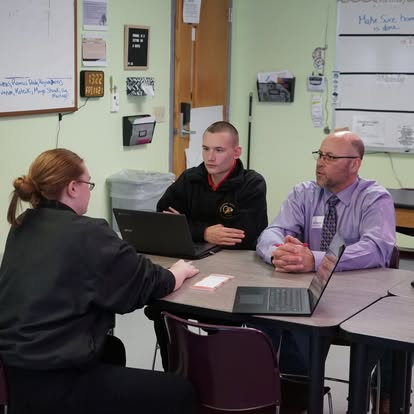
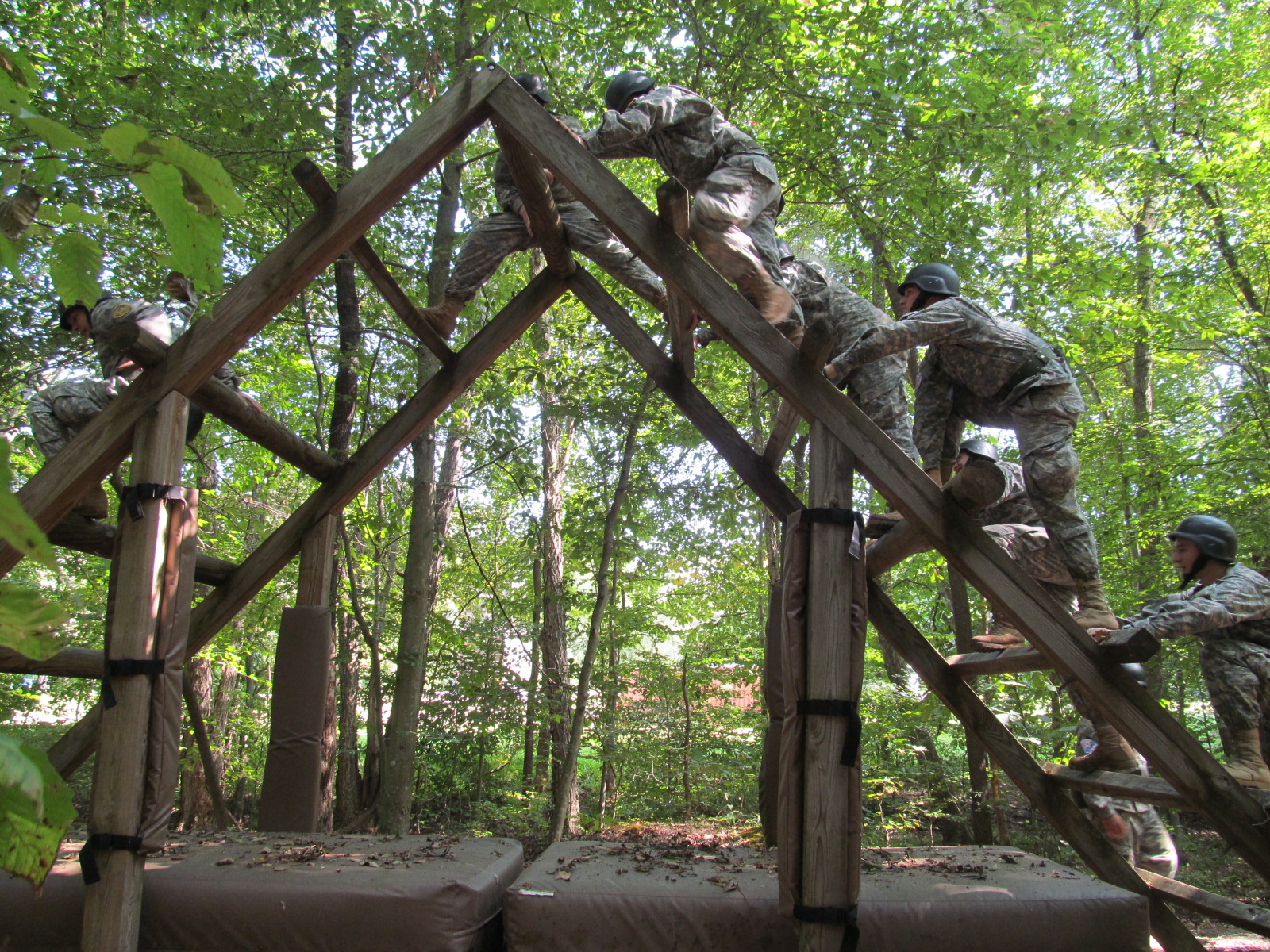
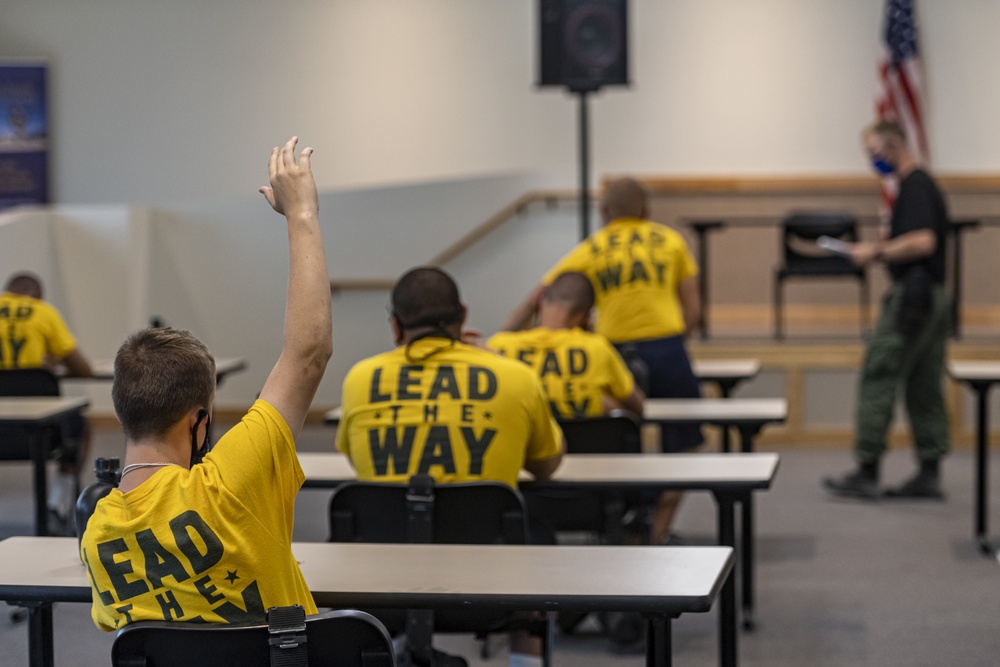
Highly structured 24-hour schedule includes 8 hours of rest each night with regular sleep times. Days begin with physical training based on ability, followed by academic instruction in small classes averaging 18 cadets. The curriculum includes anger management, character development, ROPES courses, rappelling, experiential activities, community service projects, and leadership experiences. Three nutritious meals are provided daily. Call to Quarters provides supervised study time in the evening.
Discipline Model
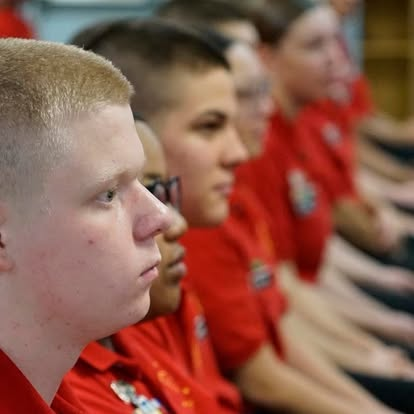
Quasi-military structure emphasizing teamwork, close quarter drill, code of conduct, and leadership/followership. During the two-week orientation period, cadets focus on building unit cohesion and understanding program expectations. The cadet chain of command, under staff oversight, enforces standards. Discipline is corrective rather than punitive, with the goal of developing self-discipline and personal responsibility. 24-hour supervision with on-site medic (Registered Nurse), counseling staff, and fire, rescue, and police services within minutes.
Program Outcomes
Success Metrics
Varies - graduates pursue high school return, college, employment, or military
Post-Program Pathways
N/A - program focuses on HSED completion and post-residential success
Note: Youth Challenge programs focus on GED completion, credit recovery, and life skills development—not traditional college prep metrics.
Physical Training
Physical Fitness Program
Daily physical training is mandatory for all cadets, with exercises scaled to individual ability levels. The program uses a progressive fitness approach that builds endurance, strength, and teamwork. Activities include ROPES courses, rappelling, close order drill, and structured physical fitness training. The quasi-military environment ensures every cadet develops physical discipline and healthy habits.
Physical Activities
Facilities
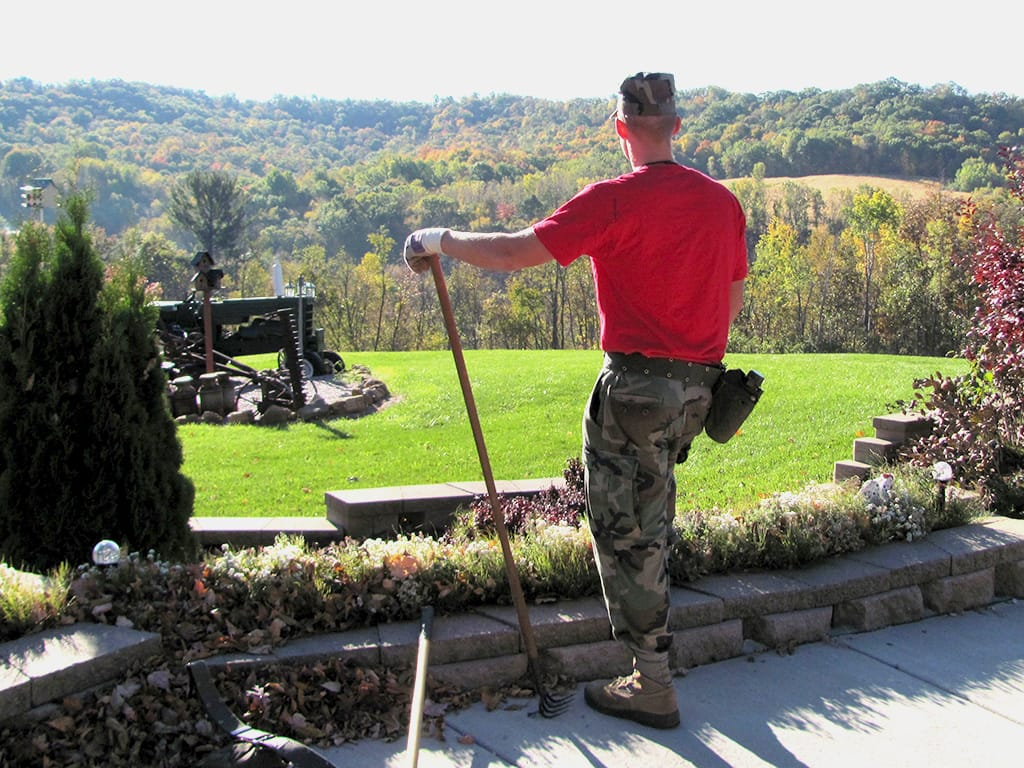
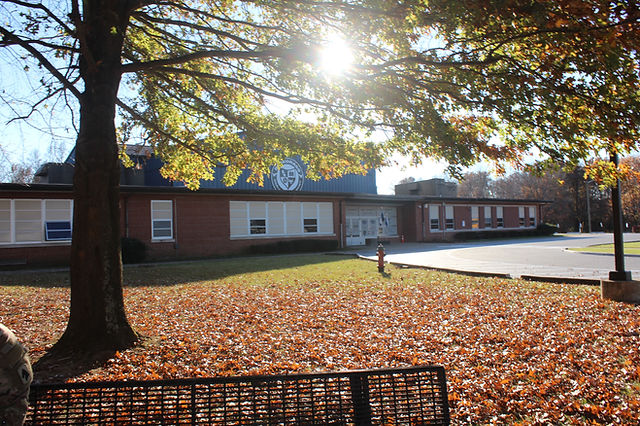
Located on the Fort McCoy Army installation, cadets have access to military-grade training facilities including barracks housing, academic classrooms, physical training areas, ROPES courses, and rappelling towers. Fort McCoy provides fire, rescue, and police services within minutes. The academy offers safe housing with 24-hour supervision, three nutritious meals daily, and on-site medical care with a Registered Nurse. Uniforms (dress, duty, and sleep attire for summer and winter) are provided at no cost.
Note: Youth Challenge programs emphasize physical fitness as one of the Eight Core Components, focusing on building endurance, strength, and healthy habits rather than varsity athletics.
Photo Gallery
Related Schools
Lincoln's Challenge Academy
Rantoul, IL
Lincoln's Challenge Academy in Rantoul is Illinois' free 22-week National Guard program for ages 16-18 — the nation's largest single-site Youth Challenge academy.
Michigan Youth Challenge Academy
Battle Creek, MI
Tuition-free National Guard program in Battle Creek for at-risk Michigan teens ages 15.5-18: a 22-week residential phase plus 12-month mentorship toward a diploma or GED.

Alaska Military Youth Academy
JBER, AK
Tuition-free 22-week National Guard Youth Challenge program at Joint Base Elmendorf-Richardson for at-risk Alaska youth ages 16-18. Coed, residential, founded 1994.
Appalachian Challenge Academy
Grays Knob, KY
Free 22-week Kentucky National Guard Youth Challenge program in Grays Knob for at-risk 16-18-year-olds: GED completion, high school credits, and trade certifications.
Battle Born Youth Challenge Academy
Carlin, NV
Battle Born Youth Challenge Academy in Carlin is Nevada's tuition-free National Guard program for at-risk youth ages 16-18 — 22 weeks of credit recovery and life skills.
Bluegrass Challenge Academy
Fort Knox, KY
Free 22-week Kentucky National Guard Youth Challenge program at Fort Knox for at-risk 16-18-year-olds: GED completion, credit recovery, and 12-month mentoring.
Guides & Resources
National Guard Youth Challenge Academies: What to Expect
Free 22-week National Guard residential programs for teens 16-18 who are behind in school. Eligibility, what to expect, and the academy in your state.
Free Military Schools: 4 Tuition-Free Options
Yes — four options charge no tuition: public military academies, charter schools, service academies, and Youth Challenge. Private boarding runs $25,500-$67,000.
Military School vs. Therapeutic Boarding School
Military schools build leaders; therapeutic programs treat crises. Compare purpose, staff, and cost — $30,000-$65,000 a year vs. $10,000-$20,000 a month.
Do Military Schools Allow Phones? The Digital Detox
Most military schools collect phones on weekdays. What happens when a teen spending 7+ hours a day on screens loses them for months? What parents report—and why.
What Is a Military School?
A military school is a college-prep school that uses military structure — uniforms, rank, and drill — not a boot camp. The 4 types explained, including free options.
How to Prepare for Military School: The New Cadet's Guide
How to prepare for military school: an 8-week running plan, strength benchmarks, shoe-shine skills, and how to find your group fast—written for cadets, not parents.