The Verdict
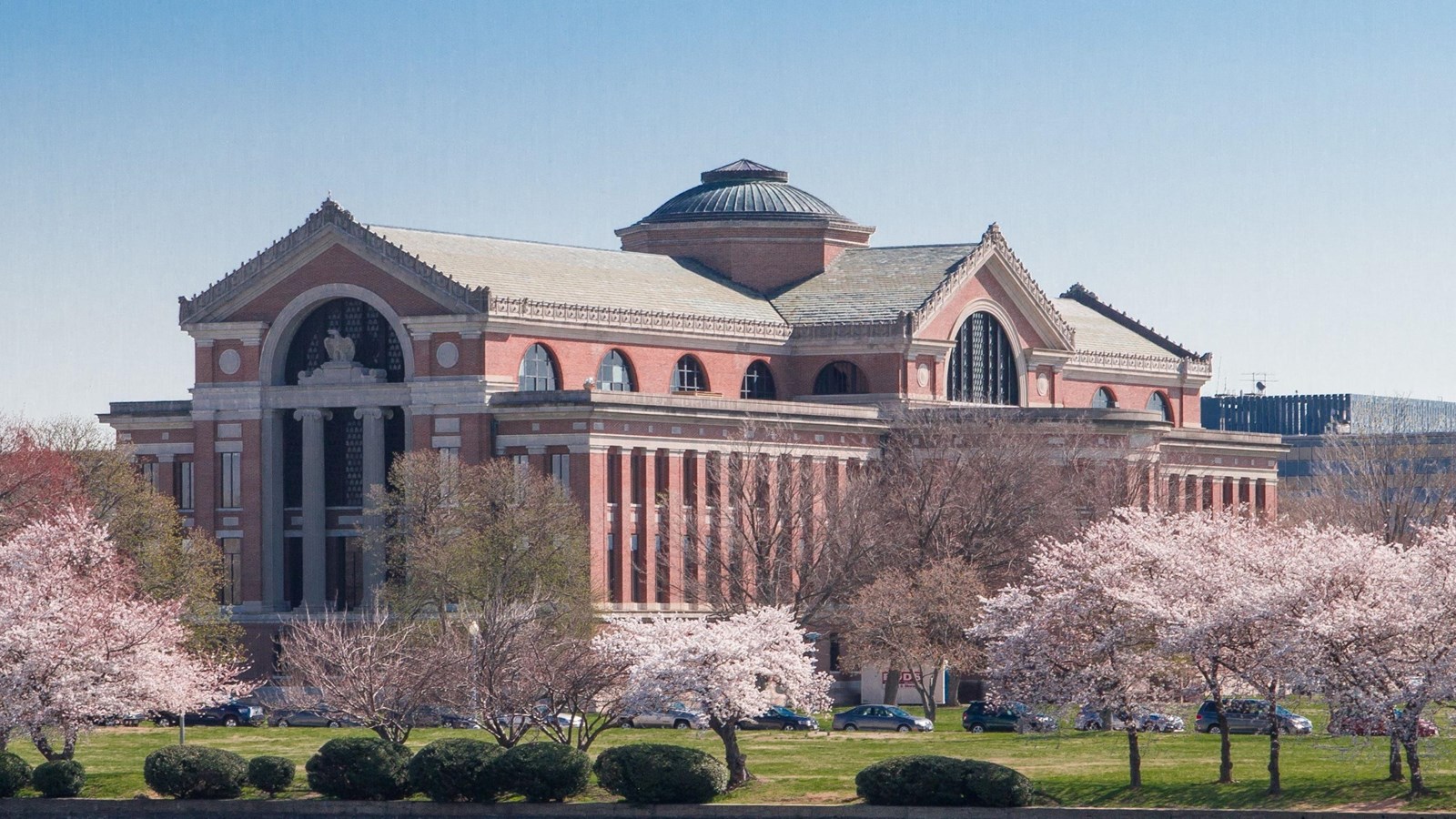
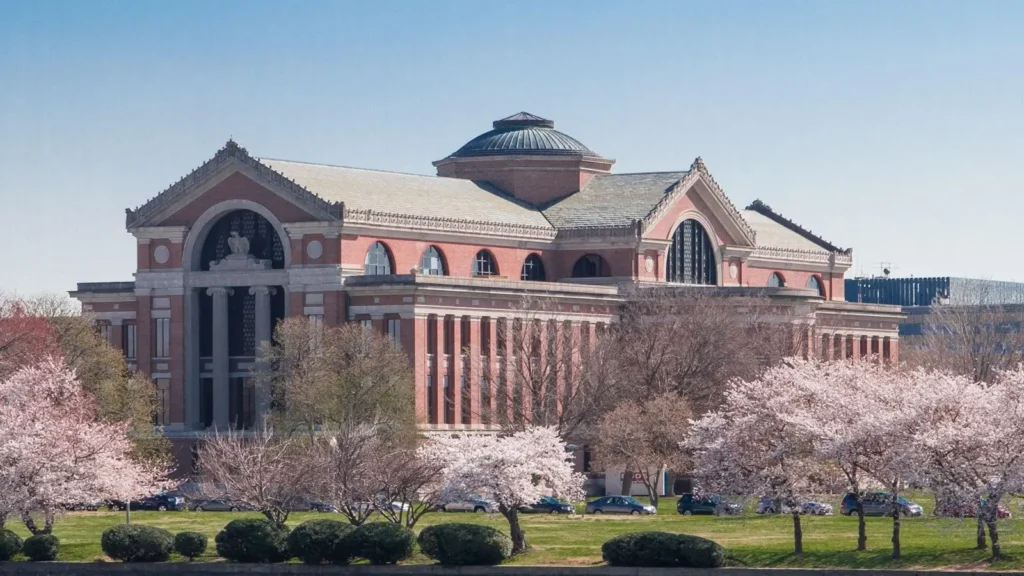
Located in the historic Roosevelt Hall on Fort Lesley J. McNair—the third-oldest active Army post in America—the National War College stands at the apex of professional military education. Established in 1946 as an upgraded replacement for the Army-Navy Staff College, NWC was created to fulfill Lt. Gen. Leonard T. Gerow's vision of an institution "concerned with grand strategy and the utilization of national resources necessary to implement that strategy."
The College's privileged location near the White House, Supreme Court, and Capitol Hill enables unparalleled access to senior policymakers and national security leaders.
Campus & Cadet Life
About
The National War College at Fort McNair in Washington, D.C. educates senior military officers and federal civilians in national security strategy. Not open to the public.
Admissions & Selectivity
Admissions Philosophy
highly selective
Key Requirements
- Military officers must hold the grade of O-5 (Lieutenant Colonel/Commander) before academic year
- Bachelor's degree from an accredited college or university
- Completion of Command and General Staff College or equivalent intermediate-level education
- Demonstrated record of outstanding performance and leadership potential
- Federal civilians typically at GS-14 to GS-15 level or equivalent
- Security clearance at the appropriate level for national security discussions
Location
Campus & Facilities
Campus Size
Part of Fort Lesley J. McNair
Housing
N/A
Enrollment
208
Student:Teacher
4:1
Campus Life
Daily Schedule
The rigorous 10-month curriculum averages 13 contact hours per week during core instruction and 9 hours when electives are in session. Academic day includes lectures, panel discussions with senior policymakers, seminar sessions, and student exercises. All lectures are conducted under a strict 'no quotation nor attribution' policy, enabling candid discussions on national security issues.
Discipline Model
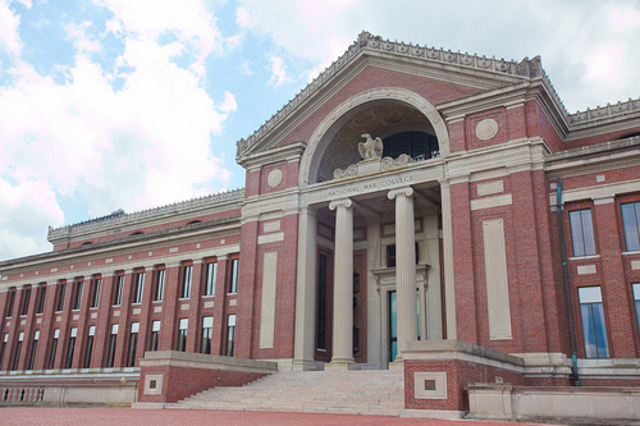
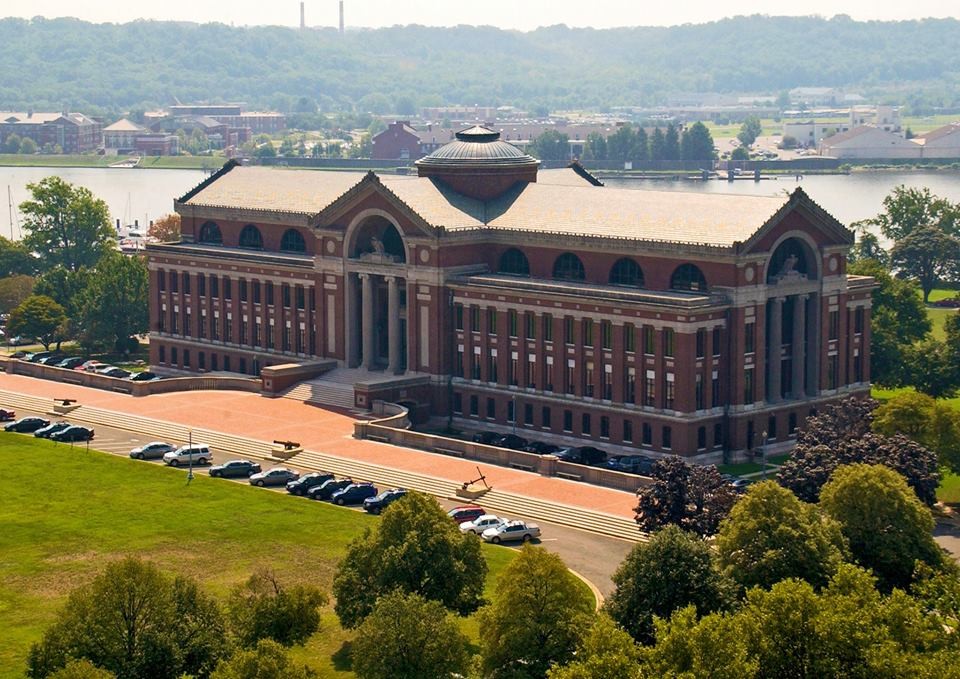
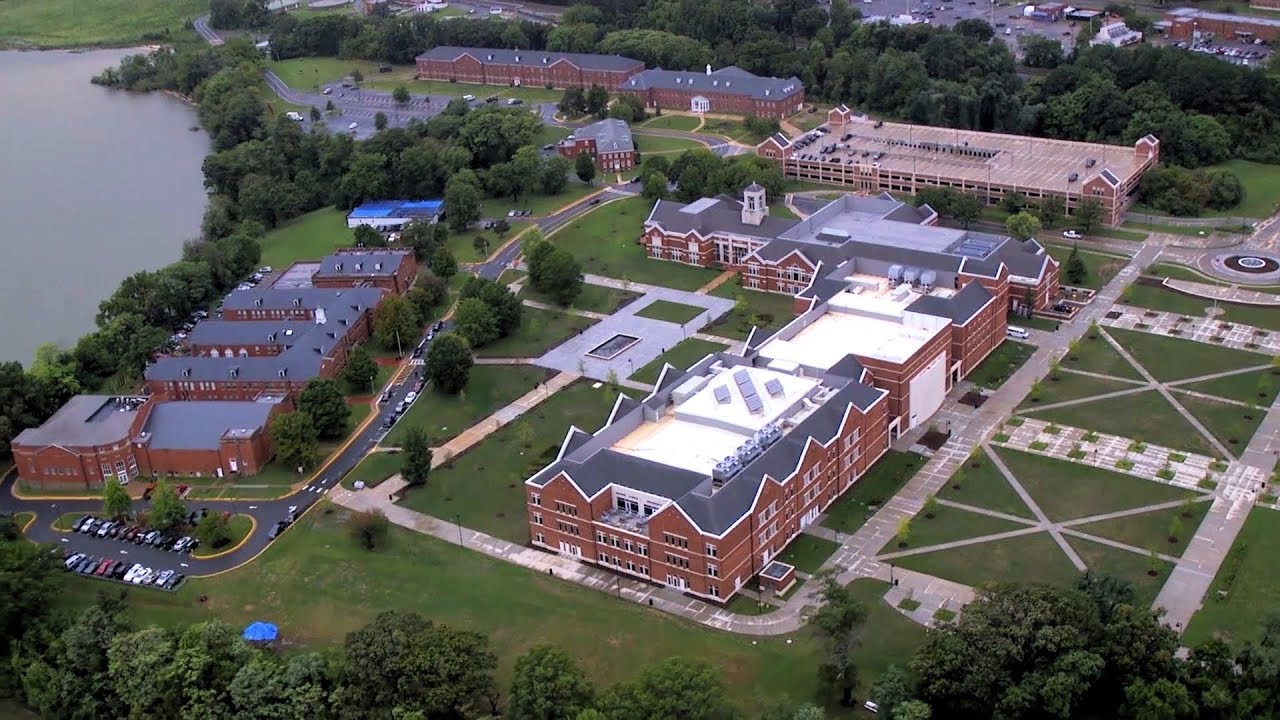
Senior professionals—typically O-5 and O-6 officers and equivalent federal civilians—reside in the Washington, D.C. metropolitan area. Fort McNair offers limited on-post housing for senior officers, with additional options throughout the National Capital Region. Campus facilities include Roosevelt Hall's historic Beaux-Arts architecture with domed rotunda, Powell Hall named for General Colin Powell, Fort McNair Fitness Center (24/7 access), commissary and exchange services, and waterfront promenade on Buzzard Point peninsula.
Academics & Outcomes
College Matriculation
N/A
Where Graduates Go
N/A - Senior Professional Military Education institution
Hall of Fame
Colin Powell
First African American Secretary of State, Chairman of the Joint Chiefs of Staff, National Security Advisor (Class of 1976)
James Mattis
Marine Corps General, Secretary of Defense, Commander of U.S. Central Command
John McCain
U.S. Senator from Arizona, 2008 Presidential nominee, naval aviator and Vietnam POW
Peter Pace
First Marine to serve as Chairman of the Joint Chiefs of Staff
Hugh Shelton
Chairman of the Joint Chiefs of Staff, commanded 82nd Airborne Division
Wesley Clark
NATO Supreme Allied Commander Europe, led NATO forces during Kosovo campaign
James L. Jones
Commandant of the Marine Corps, NATO SACEUR, National Security Advisor
John F. Kelly
Marine Corps General, White House Chief of Staff, Secretary of Homeland Security
Brent Scowcroft
Two-time National Security Advisor (Class of 1968)
Eric Shinseki
U.S. Army Chief of Staff, Secretary of Veterans Affairs
Elmo Zumwalt
Chief of Naval Operations, youngest four-star admiral in U.S. Navy history
Marie Yovanovitch
U.S. Ambassador to Ukraine, Armenia, and Kyrgyzstan
Athletics & Physical Training
Varsity Sports
Mandatory PT
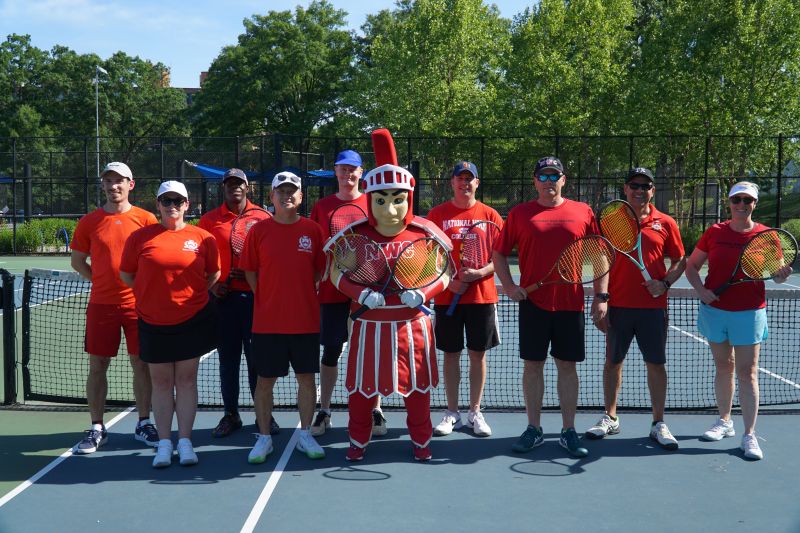
Physical fitness remains an important component of military culture and leadership development. Students have access to the Fort McNair Fitness Center operating 24 hours daily with comprehensive resources including personal training, racquetball courts, weight training, and cardiovascular equipment. The scenic waterfront location provides opportunities for running and outdoor recreation.
Facilities
Fort McNair Fitness Center (24/7 access) with personal training, racquetball courts, weight training and cardio facilities. Waterfront promenade for running and walking on Buzzard Point peninsula. Nearby kayak rentals at Ballpark Boathouse and access to Prince William Forest Park and Great Falls Park.
Photo Gallery
Related Schools
Eisenhower School for National Security
Washington, DC
The Eisenhower School at Fort McNair prepares senior military officers and civilians for national security leadership, awarding an M.S. in National Resource Strategy. Not open to the public.
St. John's College High School
Washington, DC
Coed Catholic, Lasallian day school in Washington, D.C. (grades 9-12, founded 1851) — home of America's first JROTC unit (1917). Tuition $29,950 (2026-27).

Joint Forces Staff College
Norfolk, VA
The Joint Forces Staff College (JFSC) in Norfolk, part of National Defense University, trains mid-career officers in joint operational planning through a 10-week in-residence program.
Marine Corps War College
Quantico, VA
The Marine Corps War College (MCWAR) at Quantico is the senior school of Marine Corps University, offering joint professional military education to a class of about 30 senior officers.
Benedictine College Preparatory
Richmond, VA
Benedictine College Preparatory is a Catholic all-boys military day school in Goochland, Virginia, founded 1911. Grades 9-12, about 520 cadets; day tuition $25,650 (2025-26).
Franklin Military Academy
Richmond, VA
Franklin Military Academy in Richmond, founded 1980, is the first public military school in the United States — a tuition-free Army JROTC magnet school serving grades 6-12.
Guides & Resources
Career Paths After Military School: Most Grads Go Civilian
70-80% of military school graduates go on to civilian colleges and careers—in business, law, medicine, and tech—and employers value the discipline they bring.
Leaving Military School: Withdrawals, Refunds & Dismissal
Yes—students can withdraw from military school or be dismissed. Refunds range from 80-100% before the start to often nothing after 60 days, plus transcript steps.
Military Schools for Troubled Teens: What Actually Works
The honest answer: most military schools won't take an unwilling teen. What works — free Youth Challenge academies in nearly 30 states, and when you need therapeutic care.
Military School ROI: Scholarships & Academy Appointments
Boarding tuition runs $30,000-$60,000 a year, but a service academy appointment is worth over $400,000. How to weigh military school's return on investment.
What Is a Military School?
A military school is a college-prep school that uses military structure — uniforms, rank, and drill — not a boot camp. The 4 types explained, including free options.
Oak Ridge Military Academy & North Carolina JROTC Guide
Oak Ridge Military Academy—coed, grades 7-12, founded 1852—anchors North Carolina's military school options, plus JROTC and the free Tarheel Challenge Academy.