Commonwealth Challenge Youth Academy
Virginia Beach, VA
"Dream... Believe... Achieve"
National Guard Youth Challenge Program
Free Intervention Program for At-Risk Youth Ages 16-18
At a Glance
Established
1994
Program Type
Youth Challenge
Administered By
National Guard
State
Virginia
The Verdict
Commonwealth Challenge isn't a traditional military school—it's a free, state-funded intervention program that transforms at-risk youth into productive citizens. Located on the historic Camp Pendleton State Military Reservation in Virginia Beach, this Virginia National Guard program has graduated over 5,500 cadets since 1994.
The 5.5-month residential phase uses a quasi-military structure built around eight core components—academics, physical fitness, leadership, life skills, job skills, health/hygiene, citizenship, and community service—followed by a 12-month mentorship phase that ensures lasting change.
Campus & Cadet Life
About
Commonwealth Challenge is Virginia's tuition-free National Guard Youth Challenge program in Virginia Beach — a 22-week residential phase of GED prep, life skills, and discipline.
Admissions & Selectivity
Admissions Philosophy
developmental
Key Requirements
- Virginia resident aged 15.5 to 18 years old
- Off-track or withdrawn from traditional high school
- Not currently on probation or parole for a violent offense
- Drug-free (screening required)
- No in-patient mental health facility residence in past 6 months
- Mandatory orientation and interview with parent/guardian
- Completed student application with medical records
Location
Program Details
Eligible Ages
16-18 years old
Residential Phase
22 weeks
Mentorship Phase
12 months
Cost
FREE
Annual Enrollment
100
Gender
coed
Eligibility
State Resident
Participation
Voluntary
Barracks Life
Housing Type
barracks
Daily Schedule
Highly structured day begins at 0600 with wake-up, accountability formation, and personal hygiene. Breakfast at 0630, followed by morning colors at 0815. Academic instruction and work projects run 0815-1130 and 1245-1500, with lunch in between. Afternoons include tutoring/clubs (1500-1615), physical training and athletics (1630-1730), evening meal (1730-1830), mandatory study time (1830-1930), personal hygiene (1930-2030), and cadet time (2030-2130). Lights out at 2130. Weekends feature adventure training, field trips, community service, uniform inspections, and phone calls home.
Discipline Model
Quasi-military structure emphasizing self-discipline, attention to detail, and peer accountability. The program uses the National Guard Youth Challenge model where cadets progress through ranks based on demonstrated leadership and adherence to standards. Cell phone and outside contact restrictions during the residential phase eliminate distractions and build unit cohesion. The discipline system focuses on positive reinforcement and skill-building rather than punitive measures.
Program Outcomes
Success Metrics
Varies; many pursue military service, vocational training, or return to complete high school
Post-Program Pathways
Not applicable (GED/credit recovery focus)
Note: Youth Challenge programs focus on GED completion, credit recovery, and life skills development—not traditional college prep metrics.
Physical Training
Physical Fitness Program
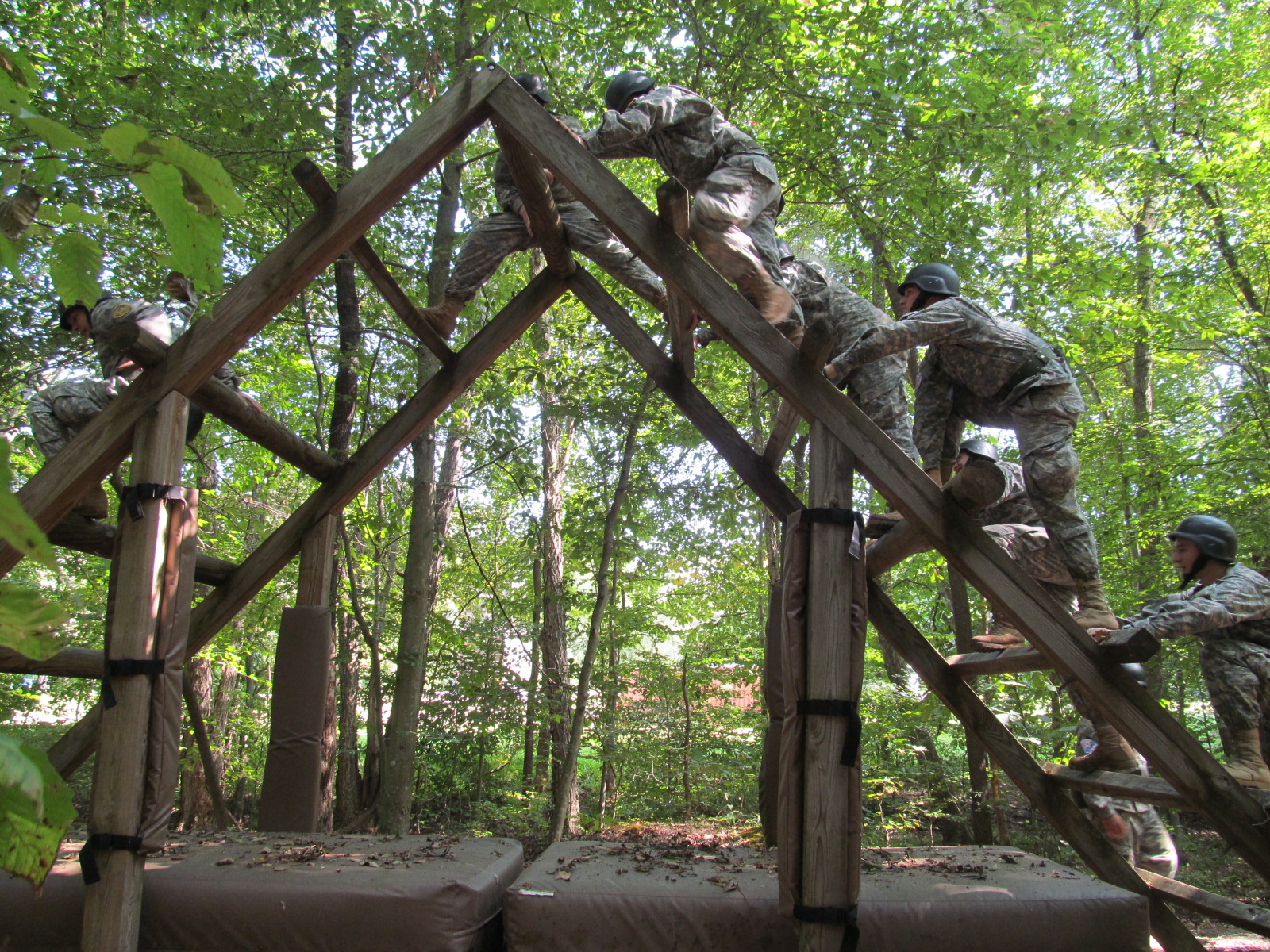
Daily physical training is a core component of the program, scheduled from 1630-1730 each weekday. The fitness curriculum promotes overall health and well-being through regular exercise routines, team sports, and wellness education. Weekend activities include visits to local gyms and parks, adventure training, and outdoor sports. Physical fitness assessments track cadet progress throughout the residential phase.
Facilities
Located on the 325-acre Camp Pendleton State Military Reservation, the academy utilizes historic WWII-era barracks (built in the 1930s-1940s), classrooms, dining halls, training fields, and a small arms range. The coastal Virginia Beach location provides access to local parks, gyms, and outdoor training areas. Camp Pendleton also features a helicopter landing strip, maintenance garages, and a chapel. The State Military Reservation is listed on the National Register of Historic Places.
Note: Youth Challenge programs emphasize physical fitness as one of the Eight Core Components, focusing on building endurance, strength, and healthy habits rather than varsity athletics.
Related Schools
Appalachian Challenge Academy
Grays Knob, KY
Free 22-week Kentucky National Guard Youth Challenge program in Grays Knob for at-risk 16-18-year-olds: GED completion, high school credits, and trade certifications.
Bluegrass Challenge Academy
Fort Knox, KY
Free 22-week Kentucky National Guard Youth Challenge program at Fort Knox for at-risk 16-18-year-olds: GED completion, credit recovery, and 12-month mentoring.
Capital Guardian Youth Challenge
Laurel, MD
Capital Guardian Youth Challenge Academy (CGYCA) is a free 22-week residential program in Laurel, MD, where the DC National Guard helps teens 16-18 earn a GED or diploma.
Freestate Challenge Academy
Aberdeen Proving Ground, MD
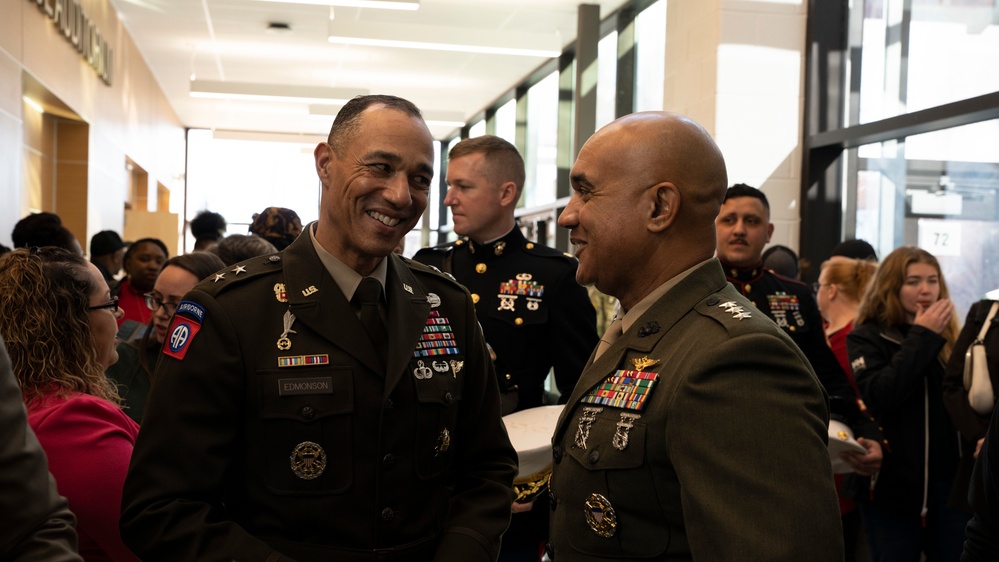
Freestate Challenge Academy is a tuition-free 22-week residential National Guard program at Aberdeen Proving Ground, MD, helping at-risk teens earn a GED.
Mountaineer Challenge Academy
Kingwood, WV
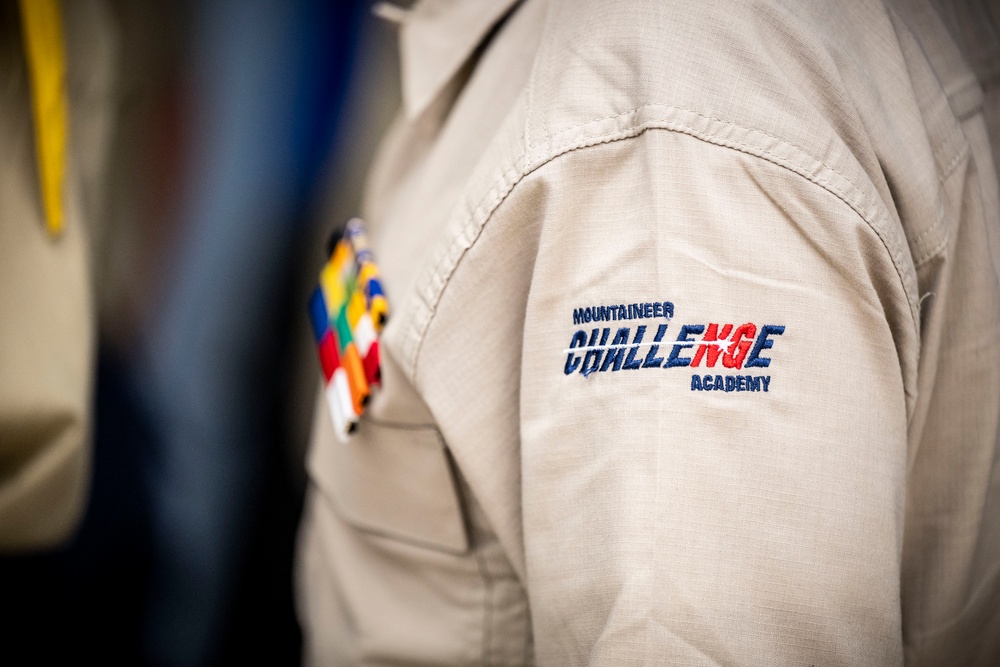
Tuition-free 22-week West Virginia National Guard residential program where at-risk youth ages 16-18 earn a high school diploma. Campuses in Kingwood and Montgomery.
Tarheel Challenge Academy
Salemburg, NC
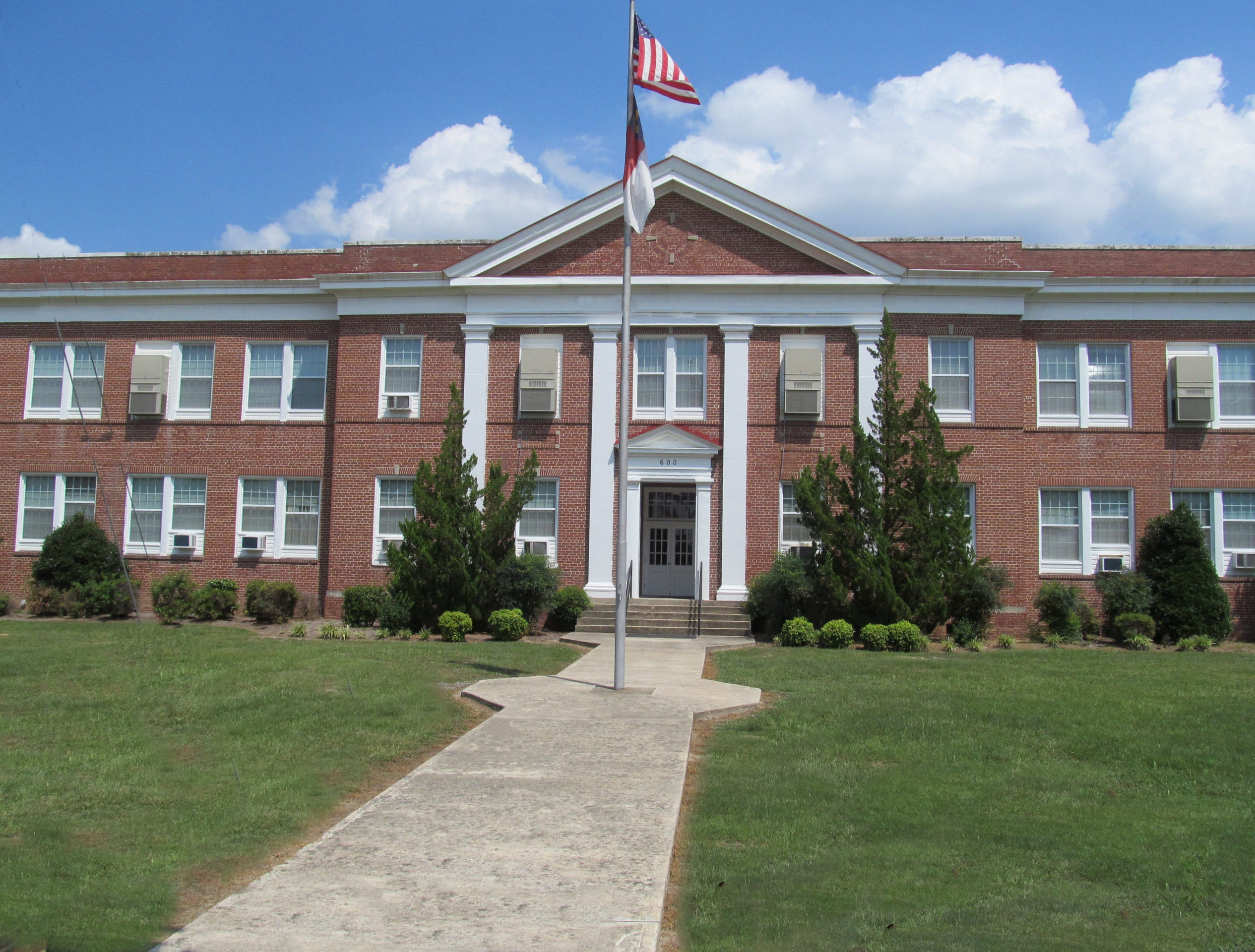
Tarheel Challenge Academy in Salemburg, NC is a tuition-free 22-week residential National Guard program for ages 16-18 who have dropped out or are behind in school.
Guides & Resources
Virginia Private School Tax Credit: EISTC Cuts Tuition 65%
Virginia's EISTC gives a 65% state tax credit for donations to scholarship foundations — a $10,000 gift can cost ~$2,625 and fund private military school tuition.
National Guard Youth Challenge Academies: What to Expect
Free 22-week National Guard residential programs for teens 16-18 who are behind in school. Eligibility, what to expect, and the academy in your state.
Free Military Schools: 4 Tuition-Free Options
Yes — four options charge no tuition: public military academies, charter schools, service academies, and Youth Challenge. Private boarding runs $25,500-$67,000.
Military School vs. Therapeutic Boarding School
Military schools build leaders; therapeutic programs treat crises. Compare purpose, staff, and cost — $30,000-$65,000 a year vs. $10,000-$20,000 a month.
Using a 529 Plan for Military School Tuition
As of 2026, 529 plans can pay up to $20,000 per year of K-12 military school tuition under federal law — double the old cap. See what qualifies and the state tax caveats.
Alabama's CHOOSE Act ESA: $7,000 Toward Military School
Alabama's CHOOSE Act ESA provides $7,000 per student toward private school tuition, including military school. Eligibility, deadlines, and how to apply.