
Virginia Tech (Corps of Cadets)
Blacksburg, VA
"Ut Prosim (That I May Serve)"
The Verdict
Virginia Tech is one of only six Senior Military Colleges in the United States, offering 70+ majors within a world-class research university—including engineering programs ranked 13th among public universities and the Pamplin College of Business ranked 10th among publics by U.S. News. Cadets get the best of both worlds: elite academics paired with intensive military-style leadership training.
With strong ROTC programs in Army, Air Force, and Navy/Marine Corps, approximately 80% of cadets pursue the Military-Leader Track, with more than 70% commissioning as officers in the armed forces. The Corps maintains rich Hokie traditions including morning formation on the Upper Quad and a commitment to "Ut Prosim" (That I May Serve).
About
The Virginia Tech Corps of Cadets, established 1872, is the military leadership program within Virginia Tech in Blacksburg — one of the nation's six senior military colleges.
Tuition & Costs
2026-2027 RatesIn-State
$17,088
Out-of-State
$40,182
Endowment
$1.95 billion
*In-state tuition and fees. Out-of-state tuition and fees. Room and board are extra.
View official tuition pageAdmissions & Selectivity
Admissions Philosophy
selective
Key Requirements
- Admission to Virginia Tech as a student
- Strong academic record with rigorous coursework
- Demonstrated leadership potential and character
- Physical fitness for Corps participation
- Commitment to the 24/7 leader development program
Admitted Student Profile
57%
Acceptance Rate
4.09
Avg GPA
1350
Avg SAT
30
Avg ACT
Location
Campus & Facilities
Campus Size
2,600 acres
Housing
Barracks
Enrollment
30,504
Student:Teacher
17:1
Barracks Life
Housing Type
barracks
Daily Schedule
Cadets live on a strictly regimented schedule during the week. This typically involves waking up early for physical training, followed by mandatory morning formation at 7:30 a.m. on the Upper Quad. From 8 a.m. to 5 p.m., cadets attend regular university classes and have personal time. Room and uniform inspections occur regularly, with frequency determined by class year. Freshmen are held to the highest standards (Saturday morning inspection/white glove inspection), with standards lowering each year. First-year cadets must 'drag' (briskly march on the right side of halls and walkways) and sound off to all upperclassmen on the Upper Quad.
Discipline Model
Virginia Tech employs a cadet-led discipline model integrated within a larger civilian university setting. Cadets receive an intensive military and leadership educational experience similar to those at the United States service academies. Upper-class cadets mentor and lead underclassmen, with a structured chain of command. The New Cadet Week experience includes rigorous training activities such as physical fitness sessions, drill and manual of arms practice, obstacle courses, and rappel tower training. Cadets are subject to military discipline 24/7 while living in the barracks.
Academics & Outcomes
College Matriculation
N/A
Where Graduates Go
Virginia Tech's ROTC programs serve as a pathway to service academy appointments. Each year, cadets can compete for appointments to West Point, the Naval Academy, and the Air Force Academy through their respective ROTC programs. Cross-branch applications are also possible. Completing a year of ROTC provides a significant advantage for service academy admission.
Hall of Fame
General Thomas C. Richards
First four-star general among Corps alumni; Administrator of the Federal Aviation Administration; Deputy Commander in Chief, U.S. European Command; Commandant of Cadets, U.S. Air Force Academy
Second Lieutenant Robert E. Femoyer
Medal of Honor recipient (1944) for actions as an Army Air Force B-17 navigator on a bombing mission over Germany
First Lieutenant Richard Thomas Shea Jr.
Medal of Honor recipient (posthumous) for actions at Pork Chop Hill during the Korean War
First Lieutenant Jimmie W. Monteith Jr.
Medal of Honor recipient (1944) for actions during the Normandy landings on D-Day
Lieutenant General William G. Boykin
Deputy Under Secretary of Defense for Intelligence; Commanding General, John F. Kennedy Special Warfare Center and School
General Carlton D. Everhart II
Commander, Air Mobility Command
General Lance L. Smith
Commander, U.S. Joint Forces Command; NATO Supreme Allied Commander for Transformation
John G. Rocovich Jr.
2025 Distinguished Alumni Award recipient; President of Virginia Tech Foundation and Alumni Association; Founder of Edward Via College of Osteopathic Medicine
Athletics & Physical Training
Varsity Sports
Mandatory PT
Corps of Cadets members participate in regular physical training as part of the daily cadet routine. Physical fitness sessions are conducted early in the morning before formation. All cadets must meet physical fitness standards appropriate to their class year and ROTC branch requirements.
Facilities
Virginia Tech features extensive state-of-the-art athletic facilities including Lane Stadium (football), Cassell Coliseum (basketball), the Merryman Athletic Facility (17,000 sq. ft. strength and conditioning complex), Rector Field House (71,189 sq. ft. with renovated 200-meter Mondo-surfaced banked track), Thompson Field (soccer and lacrosse), Jamerson Athletic Center, and the Student Athlete Performance Center. The Olympic sports athletic performance training facility spans 7,500 square feet.
External Ratings
We don't collect or moderate reviews. Links point to trusted third-party sources.
Federal Outcomes Data
U.S. Department of Education College Scorecard
86%
Graduation Rate
92%
Retention Rate
(1st to 2nd year)
$81,698
Median Earnings
(10 years after entry)
$23,790
Avg. Net Cost
(after financial aid)
$8,542
Avg. Grant
(institutional aid)
57% / 43%
Male / Female
Source: U.S. Department of Education College Scorecard (2026-01)
View on College ScorecardOfficial Federal Data Sources
Verify information directly from U.S. Department of Education databases:
NCES consumer portal with costs, programs, and retention data
Comprehensive institutional data from the IPEDS survey
Department of Education outcomes and cost data
Database of Accredited Postsecondary Institutions and Programs
Related Schools
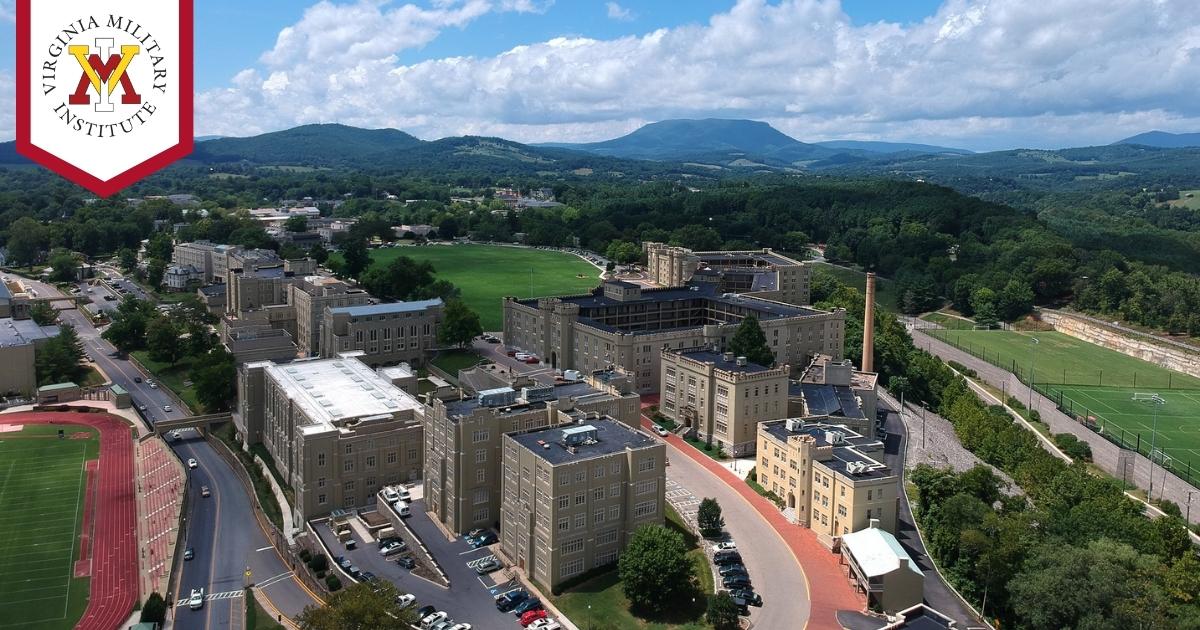
Virginia Military Institute (VMI)
Lexington, VA
Virginia Military Institute (VMI), founded 1839 in Lexington, is the oldest public senior military college in the U.S. — coed since 1997, about 1,560 cadets, 14 majors.

Fishburne Military School
Waynesboro, VA
Fishburne Military School in Waynesboro is Virginia's oldest private military school (founded 1879) — an all-boys Army JROTC boarding school for grades 6-12 with about 100 cadets.
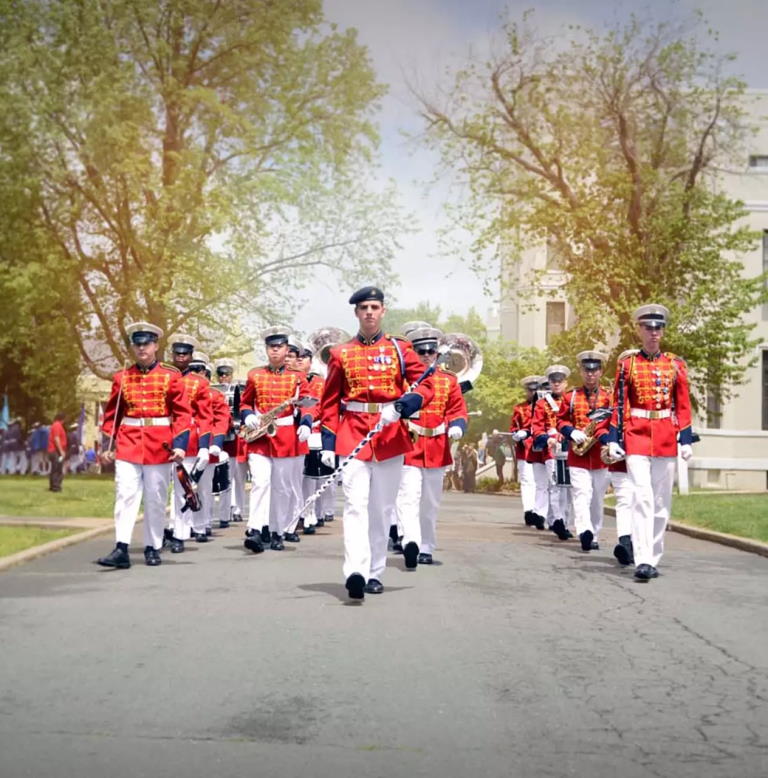
Fork Union Military Academy
Fork Union, VA
Fork Union Military Academy is an all-boys Christian military boarding school in central Virginia — grades 7-12 plus post-graduate, founded 1898, known for its One-Subject Plan.
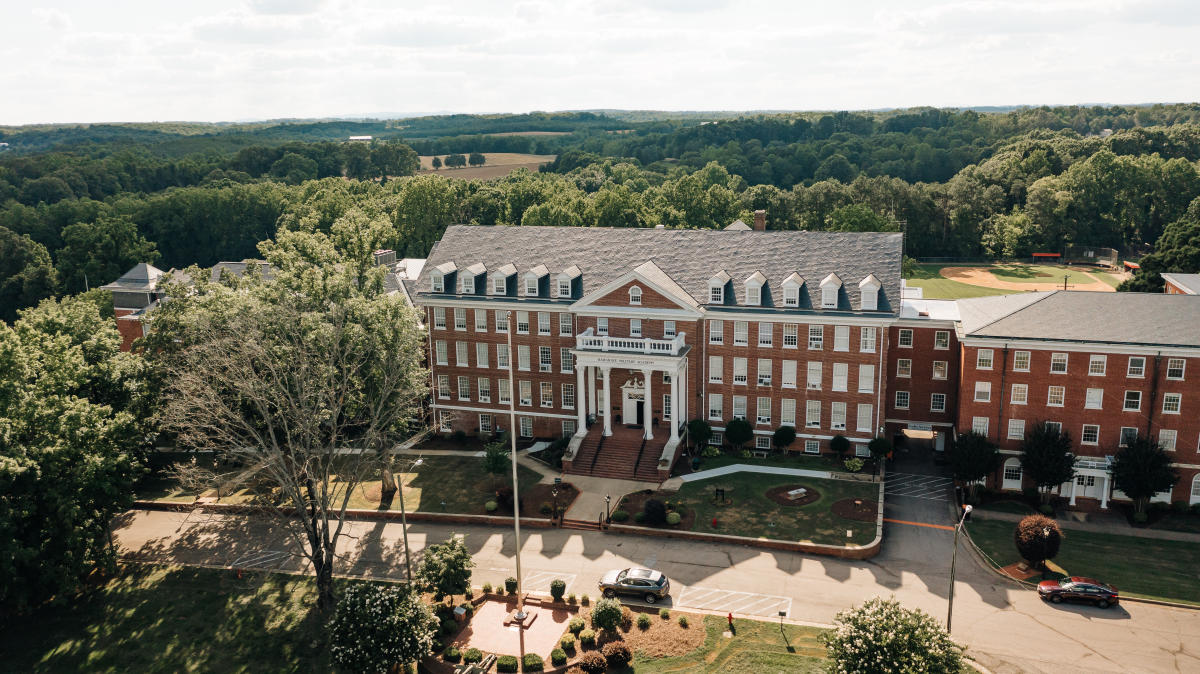
Hargrave Military Academy
Chatham, VA
Hargrave Military Academy is a private, all-male, military boarding school in Chatham, Virginia. It is a preparatory institution for college and United States service academies, serving boys from around the world for grade 7 through post-graduate (PG).
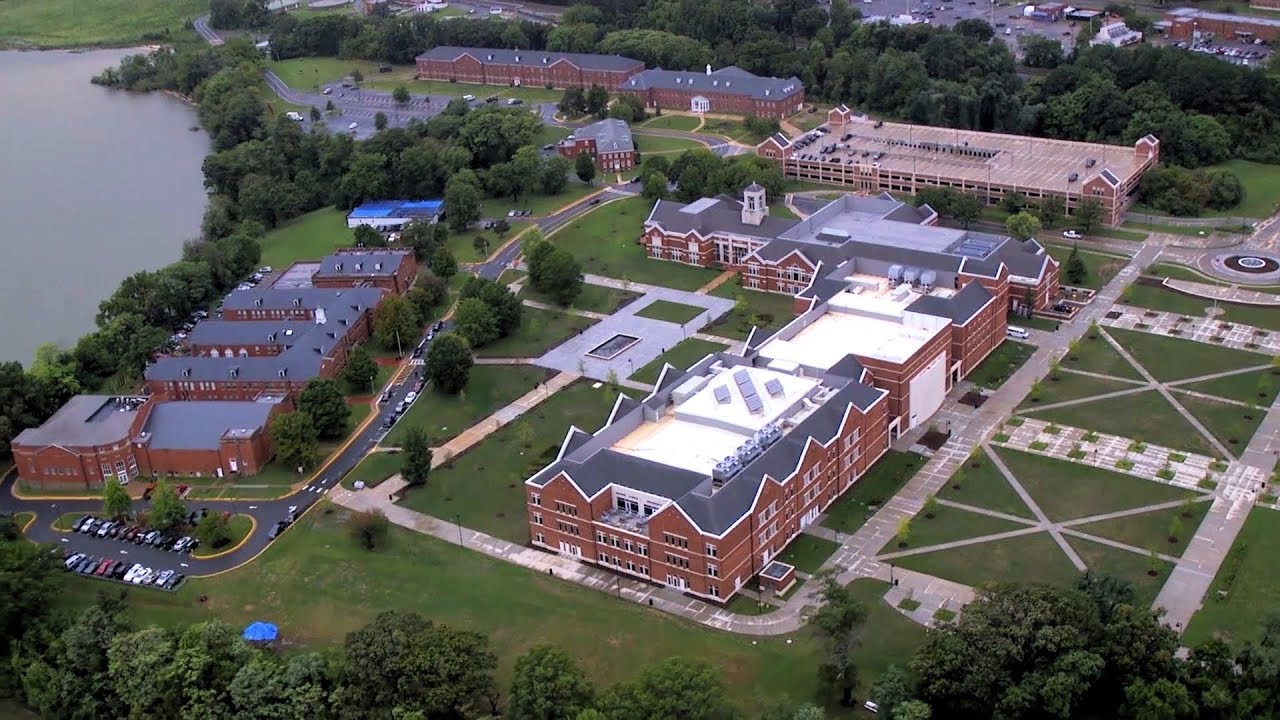
Marine Corps War College
Quantico, VA
The Marine Corps War College (MCWAR) at Quantico is the senior school of Marine Corps University, offering joint professional military education to a class of about 30 senior officers.
Massanutten Military Academy
Woodstock, VA
Massanutten Military Academy is a coed college-prep military boarding school in Woodstock, Virginia — grades 5-12 plus post-graduate, with an Army JROTC Honor Unit with Distinction and a STEM diploma track.
Guides & Resources
Virginia Private School Tax Credit: EISTC Cuts Tuition 65%
Virginia's EISTC gives a 65% state tax credit for donations to scholarship foundations — a $10,000 gift can cost ~$2,625 and fund private military school tuition.
America's Oldest Military Schools & Academies
West Point (1802) is America's oldest military academy — see every historic U.S. military school by founding date, from Norwich (1819) to The Citadel (1842).
Post-Graduate (PG) Year at Military Prep Schools
A post-graduate (PG) year is an extra prep school year after high school graduation. See the 8 military schools with PG programs, who benefits, and what it costs.
How Much Does Military School Cost? Tuition & Financial Aid
Military school costs range from free (public academies and Youth Challenge) to $25,000-$67,000 a year for private boarding. Compare tuition, 529 plans, and state vouchers.
Using a 529 Plan for Military School Tuition
As of 2026, 529 plans can pay up to $20,000 per year of K-12 military school tuition under federal law — double the old cap. See what qualifies and the state tax caveats.
Culver Military Academy: Tuition, Aid & Admissions
Culver Military Academy and Culver Girls Academy form Culver Academies — boarding tuition ~$67,000, 38% of families get need-based aid. Admissions and what to expect.