Montana Youth Challenge Academy
Dillon, MT
"PRODUCING PROGRAM GRADUATES WITH THE VALUES, LIFE SKILLS, EDUCATION, AND SELF-DISCIPLINE TO SUCCEED AS PRODUCTIVE CITIZENS."
National Guard Youth Challenge Program
Free Intervention Program for At-Risk Youth Ages 16-18
At a Glance
Established
1999
Program Type
Youth Challenge
Administered By
National Guard
State
Montana
Accreditations
The Verdict
The Montana Youth Challenge Academy has graduated over 4,000 Montana students since opening in 1999, marking its 25th anniversary in 2024. MYCA holds a unique distinction as the only National Guard Youth Challenge program located on a college campus, partnering with the University of Montana Western in Dillon to offer cadets the opportunity to earn college credits.
Academy data shows that 93% of graduates secure positive placements upon graduation, and an impressive 81% sustain those placements four years later—ranking among the highest outcomes of any Youth Challenge program in the nation. Class 49 achieved a 75% HiSET pass rate, surpassing the national average of 60%, while earning 96 college credits and 137 professional certificates.
Campus & Cadet Life
About
Montana Youth Challenge Academy is a tuition-free 22-week National Guard program in Dillon for Montana teens ages 16-18, on the University of Montana Western campus.
Admissions & Selectivity
Admissions Philosophy
developmental
Key Requirements
- Must be a Montana state resident
- Ages 16 to 18 years old on the first day of admission (or turning 16 within first 10 days of acclimation)
- U.S. citizen or legal resident
- High school dropout, at-risk of dropping out, or seriously deficient in credits toward graduation
- Committed to making a change in their life
- Participation is entirely voluntary (student's decision to attend)
- Physically, mentally, and emotionally capable of completing this high-stress, high-tempo program
- Drug-free and willing to pass physical exam
- No felony adjudications or convictions, not awaiting trial or currently in trial proceedings
- Misdemeanors may be accepted on a case-by-case basis
Location
Program Details
Eligible Ages
16-18 years old
Residential Phase
22 weeks
Mentorship Phase
12 months
Cost
FREE
Annual Enrollment
100
Gender
coed
Eligibility
State Resident
Participation
Voluntary
Barracks Life
Housing Type
dorm
Daily Schedule
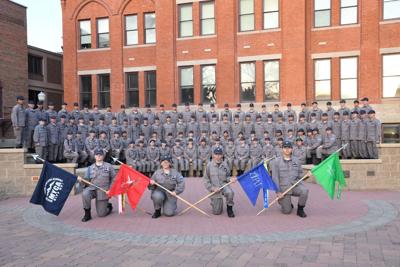
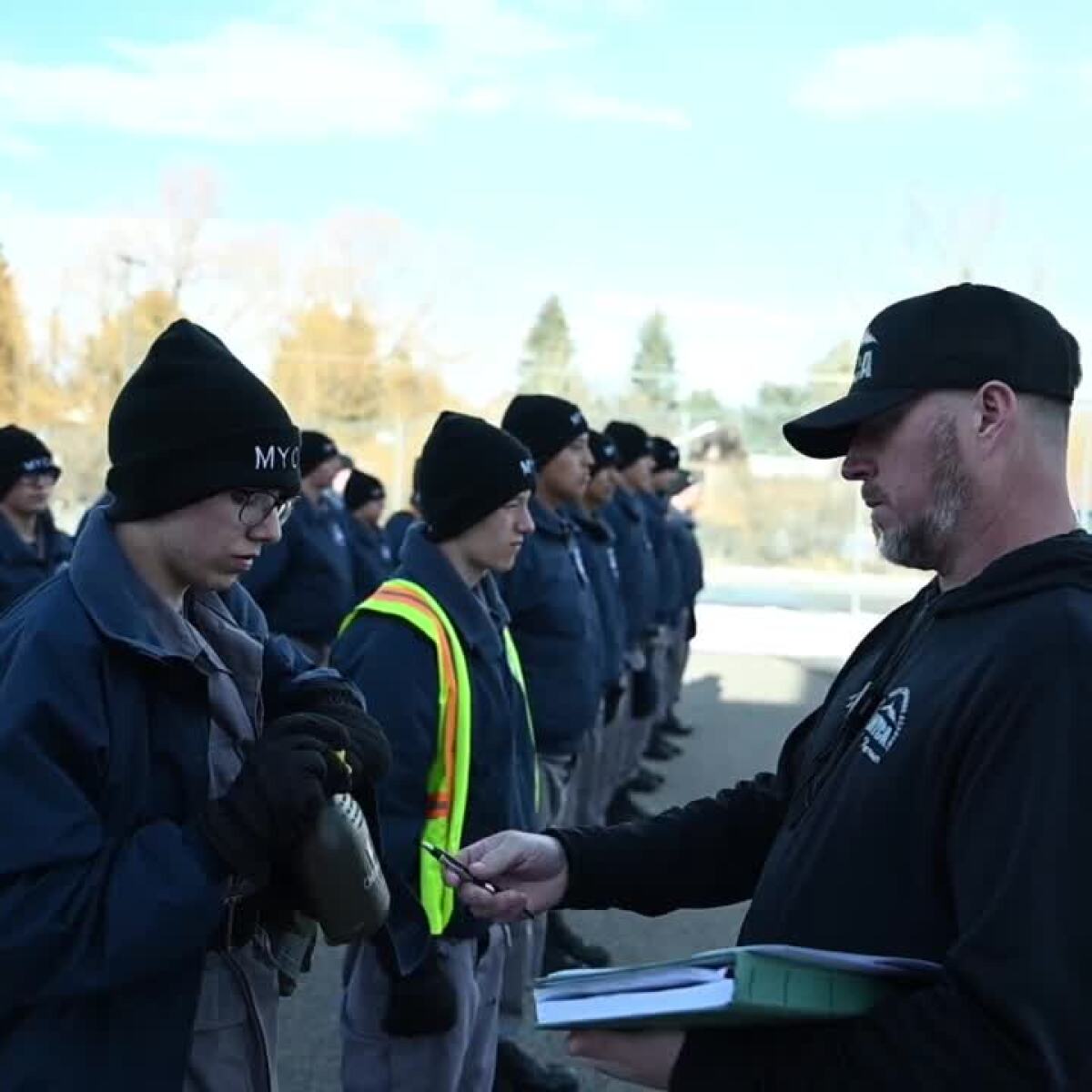
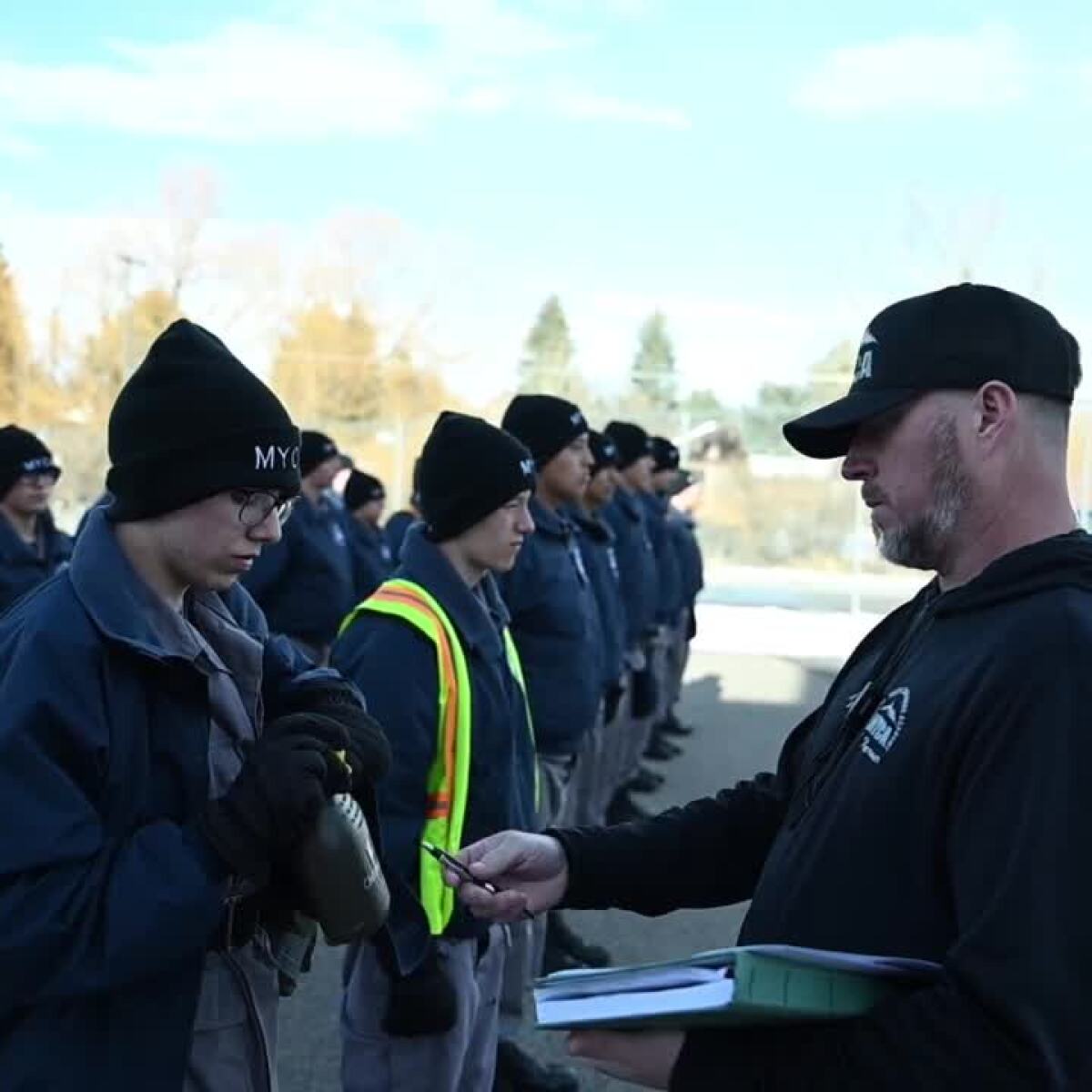
Cadets follow a highly structured quasi-military schedule throughout the 22-week residential program, which begins with an 11-day Acclimation Period designed to orient candidates to the Challenge environment. During Acclimation, candidates adjust to the physical, mental, and social discipline required for success, focusing on teamwork, close quarter drill, code of conduct, leadership and followership, and building physical fitness foundations. Candidates trade street clothes for uniforms, receive military haircuts, and surrender personal items while beginning to replace limiting beliefs with new possibilities. Those who successfully complete Acclimation enter the five-month Residential Phase, an intensive quasi-military training environment emphasizing discipline, consistency, and structure. The ambitious daily training schedule develops social, emotional, and academic skills across all Eight Core Components. Cadets live a Spartan lifestyle, keeping their rooms military neat, and are only allowed a few personal items. The program concludes with a 12-month Post-Residential Phase where graduates return to their communities supported by mentors they nominated during the residential period.
Discipline Model
MYCA operates in a quasi-military format emphasizing discipline, consistency, structure, and personal responsibility. This is NOT a boot camp, detention facility, or treatment center, but a voluntary, fully-accredited academic intervention program that uses military structure to ensure a productive learning environment. Participation is entirely voluntary, and cadets must demonstrate genuine commitment to making positive life changes. The discipline model builds values, skills, education, and self-discipline necessary for successful transition into adult society. Cadets progress through the program by showing improvement across all Eight Core Components while developing personal goals with their mentor. Staff continuously evaluate each candidate's potential, and the unique location on a college campus provides an enriching environment that includes attending University of Montana Western events, from football games to performing arts, while maintaining the structured discipline that defines the program.
Program Outcomes
Success Metrics
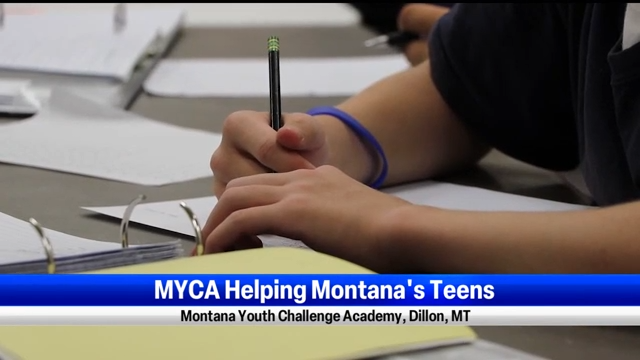
MYCA has evolved from exclusively offering GED preparation to now providing multiple pathways to graduation including high school diplomas through interlocal agreements with Montana high schools. Students are placed in classes according to their initial TABE (Test of Adult Basic Education) performance, with certified instructors delivering state-aligned curriculum including Algebra 2, American Literature, U.S. Government, and Environmental Science. The HiSET exam (successor to GED) serves as a key academic achievement measure, with Class 49 achieving a 75% pass rate, well above the 60% national average. Of that class, 66 cadets graduated with diplomas in hand, while 39 earned credits to apply toward traditional diplomas at their home schools. Nearly 30% of graduates return to local high schools, and approximately 80% achieve diploma completion. The partnership with University of Montana Western allows cadets to earn college credits, with Class 49 earning 96 college credits collectively. Professional certifications in phlebotomy, CPR/First Aid, and OSHA-10 boost employability, and 93% of graduates achieve positive placement upon graduation.
Post-Program Pathways
N/A (program focuses on credit recovery and high school completion)
Note: Youth Challenge programs focus on GED completion, credit recovery, and life skills development—not traditional college prep metrics.
Physical Training
Physical Fitness Program
Physical Fitness is one of the Eight Core Components that all cadets must develop throughout the 22-week residential phase. The PT program features rigorous military-style training led by military instructors, including high-octane calisthenics, pushups, squats, sprints, running, and organized sports. These classes are designed to build endurance, strength, discipline, and teamwork while instilling healthy habits that extend beyond graduation. All cadets participate regardless of prior fitness level, with the program progressively developing physical capabilities alongside academic and personal growth. Cadets must show measurable improvement during the residential program while obtaining general fitness knowledge. The Iron Cadet distinction is awarded to those who push their limits and set the standard during the Physical Fitness Assessment (PFA), encouraging healthy competition and personal excellence.
Physical Activities
Facilities
MYCA is uniquely situated on the 34-acre campus of the University of Montana Western in Dillon, the only Youth Challenge program located on a college campus. The campus features cadet dormitory housing, dedicated academic classrooms with certified instruction, physical training areas, drill fields, and access to university facilities. Cadets experience campus life firsthand, attending UMW football games, performing arts events, and participating in field trips that enrich the curriculum. The partnership with UMW provides college-level resources and enables cadets to earn college credits during their residential phase. Military aircraft from the Montana National Guard conduct airlift events, landing helicopters on UMW's football practice fields on the south side of campus, giving cadets and the community exposure to military aviation operations.
Note: Youth Challenge programs emphasize physical fitness as one of the Eight Core Components, focusing on building endurance, strength, and healthy habits rather than varsity athletics.
Photo Gallery
Related Schools
Idaho Youth Challenge Academy
Pierce, ID
Tuition-free National Guard program in Pierce, Idaho for at-risk teens ages 15½-18. Cadets earn up to 14 high school credits in a 22-week residential phase.

Alaska Military Youth Academy
JBER, AK
Tuition-free 22-week National Guard Youth Challenge program at Joint Base Elmendorf-Richardson for at-risk Alaska youth ages 16-18. Coed, residential, founded 1994.
Appalachian Challenge Academy
Grays Knob, KY
Free 22-week Kentucky National Guard Youth Challenge program in Grays Knob for at-risk 16-18-year-olds: GED completion, high school credits, and trade certifications.
Battle Born Youth Challenge Academy
Carlin, NV
Battle Born Youth Challenge Academy in Carlin is Nevada's tuition-free National Guard program for at-risk youth ages 16-18 — 22 weeks of credit recovery and life skills.
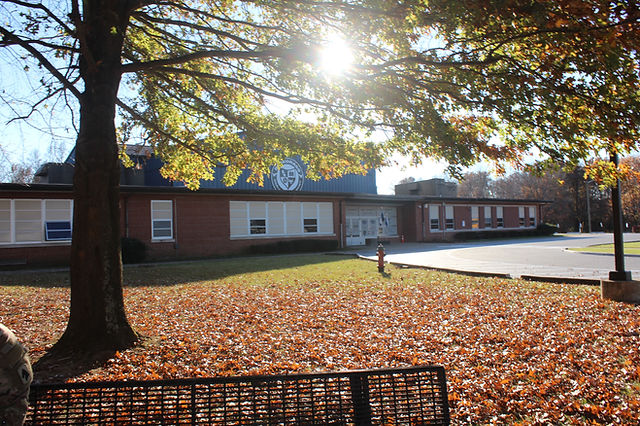
Bluegrass Challenge Academy
Fort Knox, KY
Free 22-week Kentucky National Guard Youth Challenge program at Fort Knox for at-risk 16-18-year-olds: GED completion, credit recovery, and 12-month mentoring.
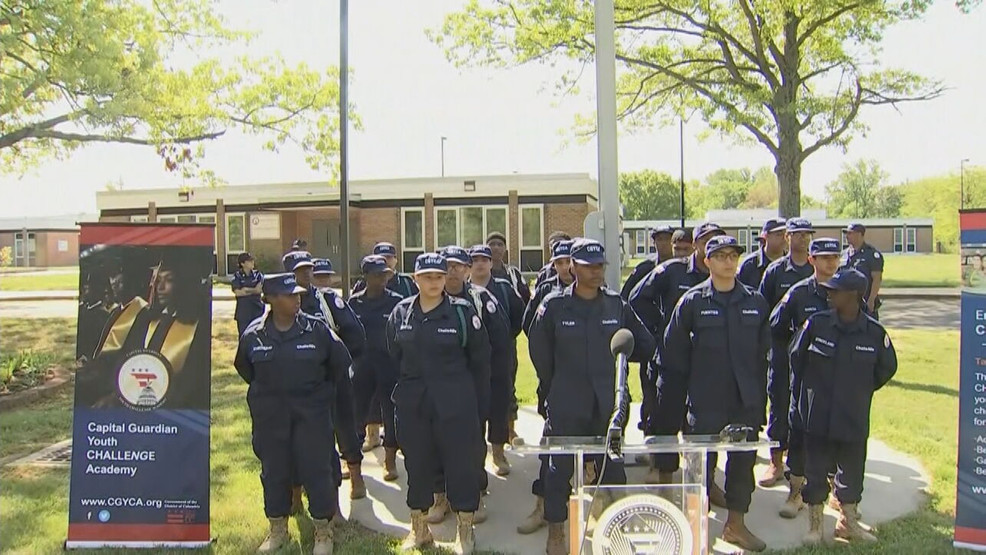
Capital Guardian Youth Challenge
Laurel, MD
Capital Guardian Youth Challenge Academy (CGYCA) is a free 22-week residential program in Laurel, MD, where the DC National Guard helps teens 16-18 earn a GED or diploma.
Guides & Resources
National Guard Youth Challenge Academies: What to Expect
Free 22-week National Guard residential programs for teens 16-18 who are behind in school. Eligibility, what to expect, and the academy in your state.
Free Military Schools: 4 Tuition-Free Options
Yes — four options charge no tuition: public military academies, charter schools, service academies, and Youth Challenge. Private boarding runs $25,500-$67,000.
Military School vs. Therapeutic Boarding School
Military schools build leaders; therapeutic programs treat crises. Compare purpose, staff, and cost — $30,000-$65,000 a year vs. $10,000-$20,000 a month.
U.S. Military Schools for International Students
International students can attend U.S. military schools on an F-1 visa. What overseas families need: TOEFL 70-90+, proof of funding, and a 12-18 month timeline.
Chicago's 6 Free Public Military High Schools (CPS)
Chicago Public Schools operates six tuition-free military high schools—the largest public military academy system in America. How to apply and what to expect.
What Disqualifies a Student from Military School?
Most behavioral issues won't bar admission—past suspensions, single incidents, truancy. See the 8 issues that typically disqualify a military school applicant.