Keystone State Challenge Academy
Annville, PA
"DREAM. BELIEVE. ACHIEVE."
National Guard Youth Challenge Program
Free Intervention Program for At-Risk Youth Ages 16-18
At a Glance
Established
2022
Program Type
Youth Challenge
Administered By
National Guard
State
Pennsylvania
The Verdict
Keystone State Challenge Academy represents Pennsylvania's answer to a national crisis: the 1.2 million American teens who drop out of high school each year. Launched in 2022 at Fort Indiantown Gap, KSCA is part of the National Guard Youth Challenge Program—a network of 40 academies across 30 states that has transformed over 215,000 young lives since 1993.
The program takes at-risk 16-to-18-year-olds who have fallen off the traditional academic path and immerses them in a 22-week military-style residential experience completely free of charge. Through the eight core components of the Challenge model, cadets earn their GED or recover high school credits while developing the discipline and self-confidence needed to succeed as adults.
Campus & Cadet Life
About
Keystone State Challenge Academy is a free 22-week National Guard residential program at Fort Indiantown Gap for Pennsylvania youth ages 16-18 earning a GED.
Admissions & Selectivity
Admissions Philosophy
developmental
Key Requirements
- Pennsylvania resident between ages 16-18 (15-year-olds may apply with Director approval)
- At risk of not completing high school or not currently attending school
- U.S. citizen or lawful permanent resident
- No felony convictions or pending criminal charges
- Not on parole or probation for serious offenses
- Willing to be drug-free and voluntarily commit to the program
- Complete orientation and interview with parent/guardian
- Successfully complete 2-week Acclimation Phase
Location
Program Details
Eligible Ages
16-18 years old
Residential Phase
22 weeks
Mentorship Phase
12 months
Cost
FREE
Annual Enrollment
138
Gender
coed
Eligibility
State Resident
Participation
Voluntary
Barracks Life
Housing Type
barracks
Daily Schedule
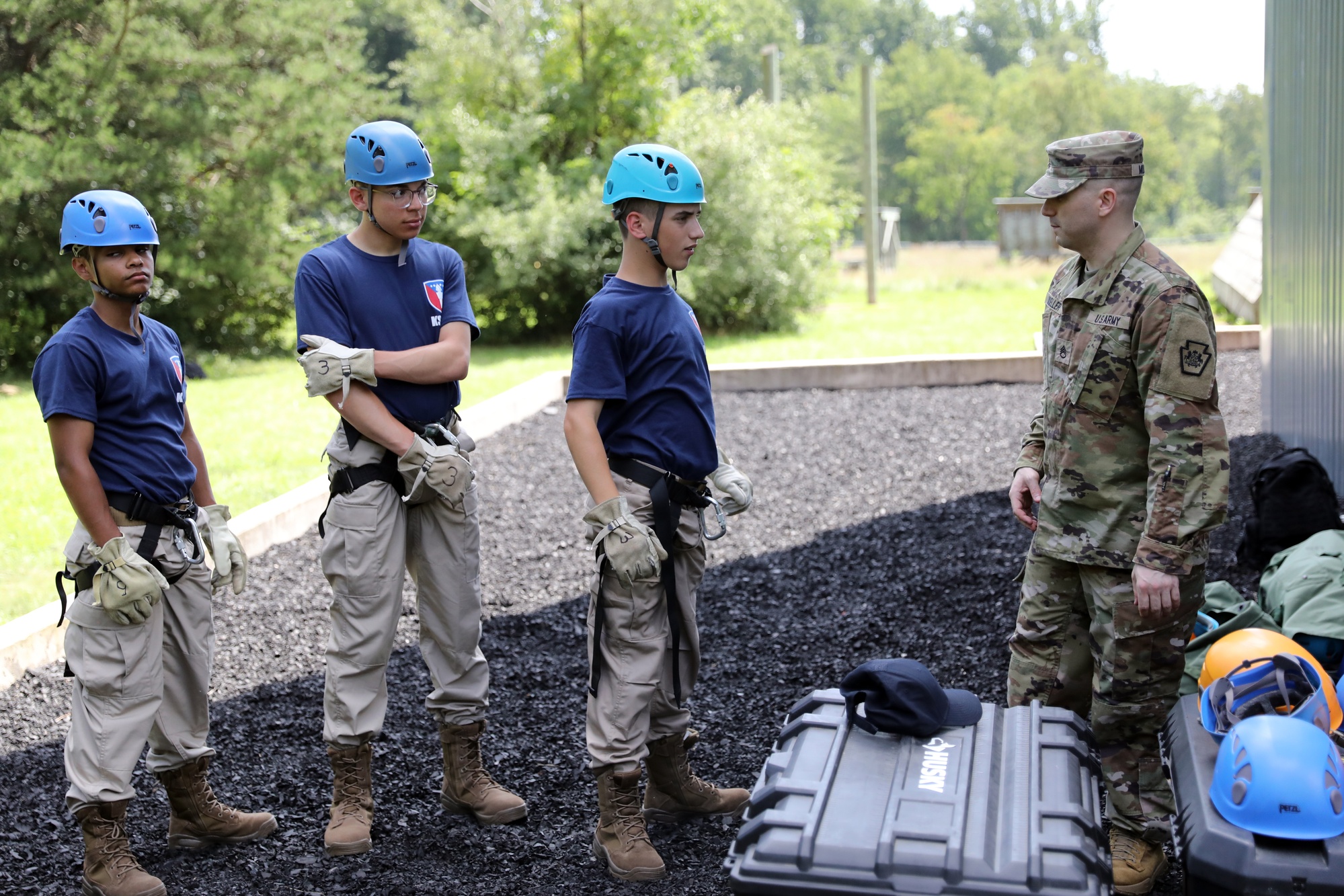
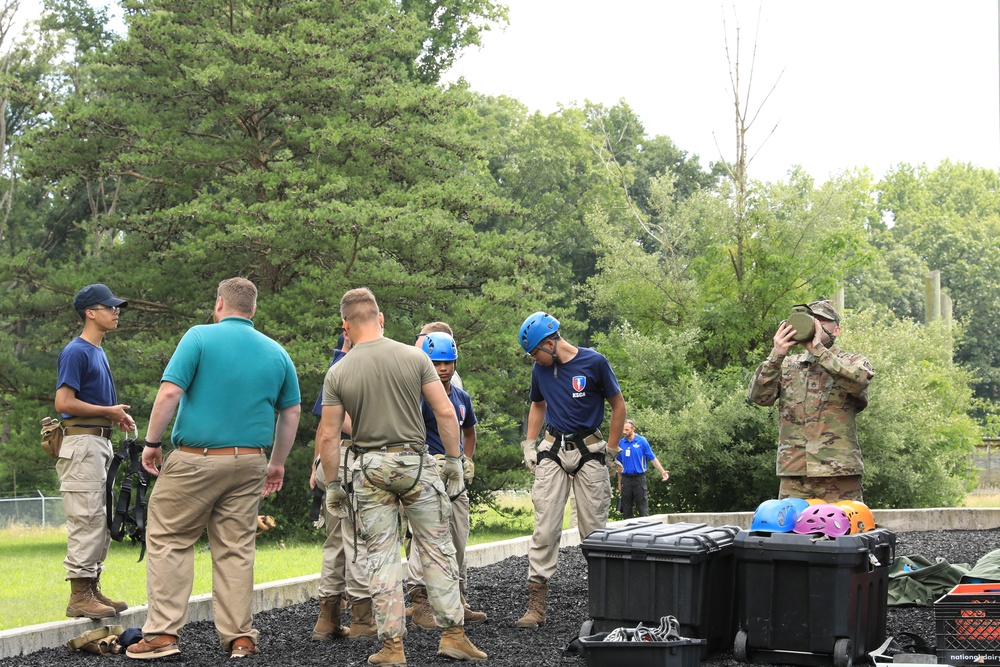
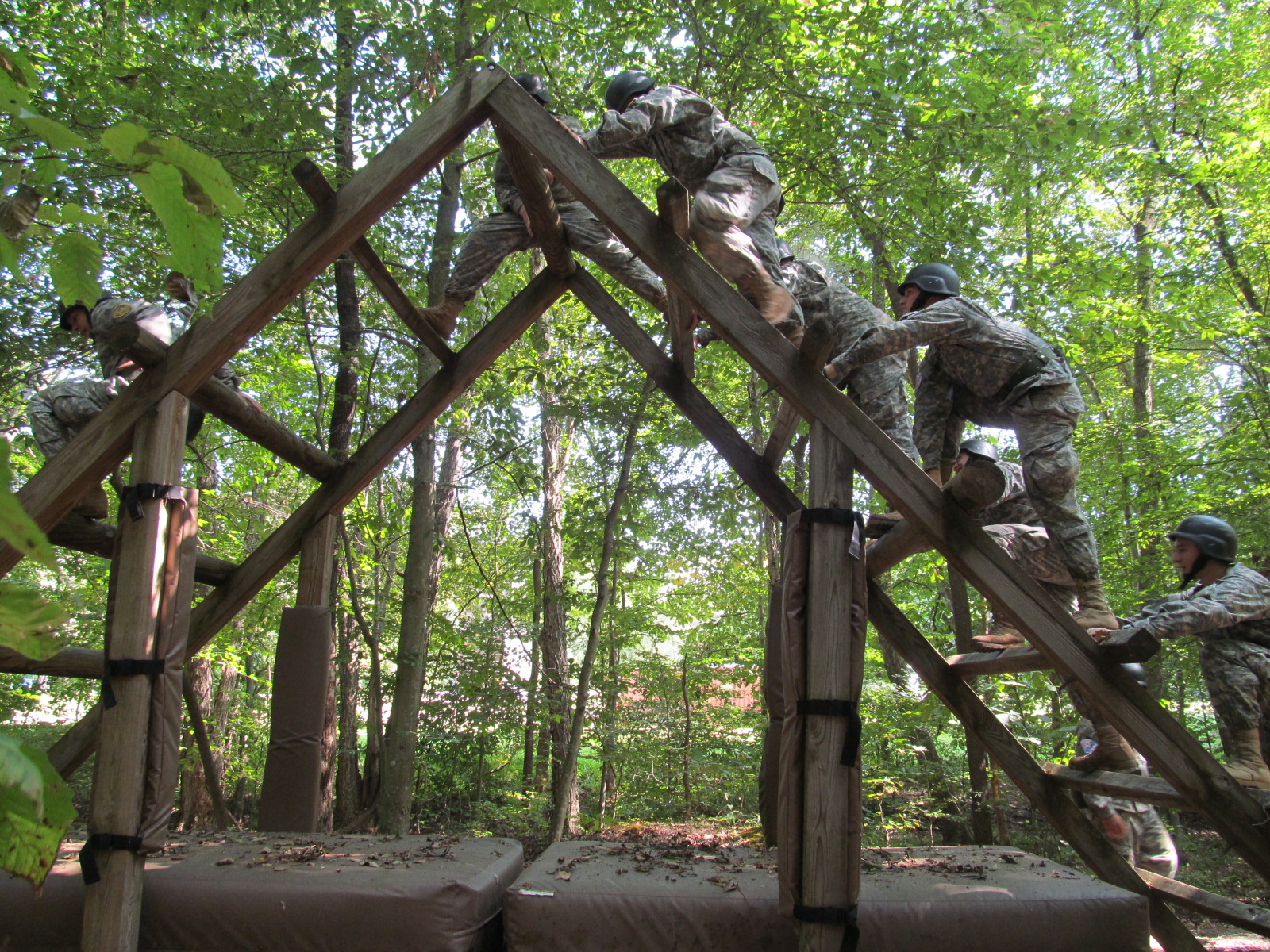
The day begins at 0600 hours when cadets wake, make their bunks, complete personal hygiene, dress in uniform, and form up for morning formation. The structured day includes physical fitness training, academic classes taught by certified CAIU teachers through the early afternoon, followed by club activities such as gardening, hiking, and military club activities. The military club leverages Fort Indiantown Gap's resources including land navigation courses, training simulations, and visits to active helicopter units. Cadets march to class singing cadence, maintaining military bearing throughout the day.
Discipline Model
KSCA operates on a quasi-military model emphasizing structure, discipline, and peer accountability. Cadets maintain their bunks and wall lockers to military standards. The program uses a developmental rather than punitive approach—recognizing that these youth need guidance and second chances. The two-week Acclimation Phase serves as both orientation and evaluation, ensuring cadets are prepared to commit to the full program. Those who demonstrate they are not suitable candidates may be disenrolled, but the focus remains on building up rather than breaking down.
Program Outcomes
Success Metrics
Not published (program focus is GED/high school completion)
Post-Program Pathways
Not applicable (GED program)
Note: Youth Challenge programs focus on GED completion, credit recovery, and life skills development—not traditional college prep metrics.
Physical Training
Physical Fitness Program
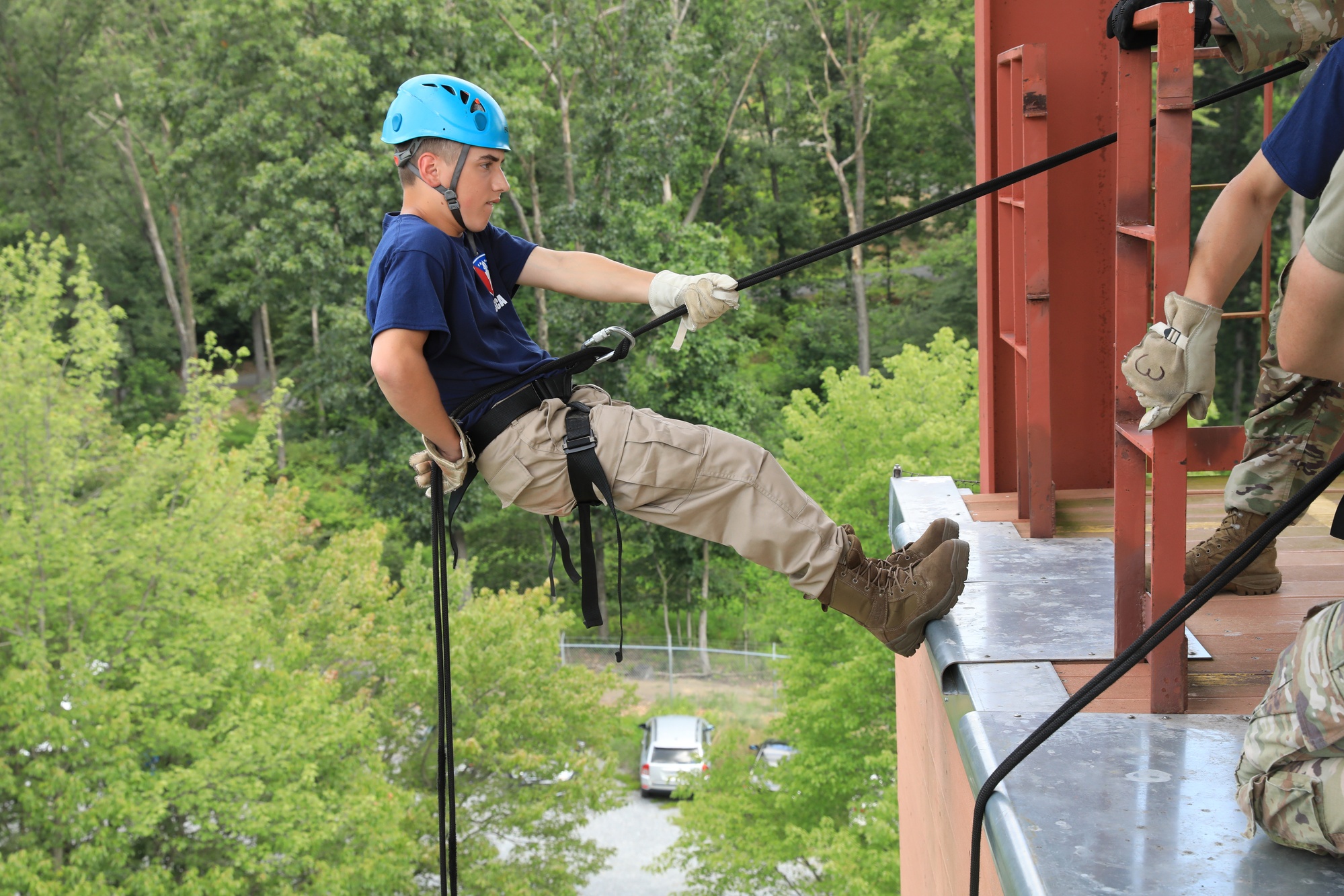
Daily physical fitness training focused on improvement rather than competition. Cadets work toward progress in a timed one-mile run, sit-ups, and push-ups. The emphasis is on personal growth—meeting cadets where they are and helping them develop healthier habits. Activities include runs at Blue Mountain Track and various outdoor training opportunities across Fort Indiantown Gap's extensive acreage.
Physical Activities
Facilities
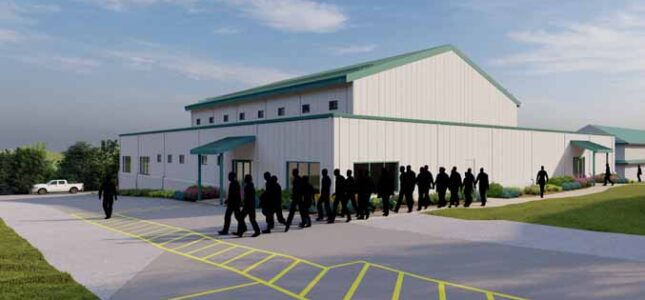
Cadets live and learn in newly renovated facilities including barracks, classrooms, and common spaces. The 24,000 square foot multipurpose center serves as the hub of cadet activities, featuring a gymnasium for recreational sports, dining facility with full kitchen, health suite with medical office, multipurpose classrooms, physical fitness/training room, and storage areas. The Fort Indiantown Gap location provides access to military training resources including ranges, land navigation courses, and aviation units.
Note: Youth Challenge programs emphasize physical fitness as one of the Eight Core Components, focusing on building endurance, strength, and healthy habits rather than varsity athletics.
Photo Gallery
Related Schools
Capital Guardian Youth Challenge
Laurel, MD
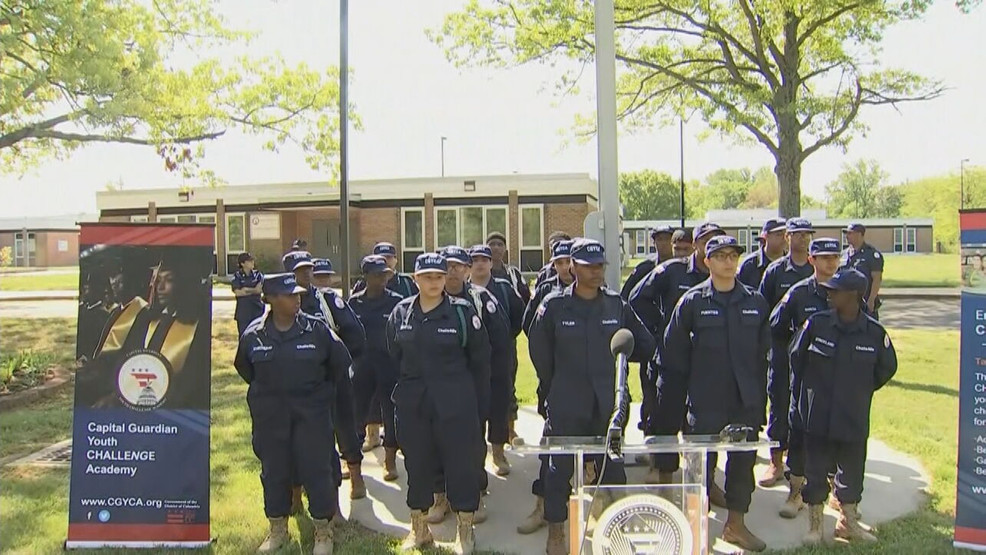
Capital Guardian Youth Challenge Academy (CGYCA) is a free 22-week residential program in Laurel, MD, where the DC National Guard helps teens 16-18 earn a GED or diploma.
Freestate Challenge Academy
Aberdeen Proving Ground, MD
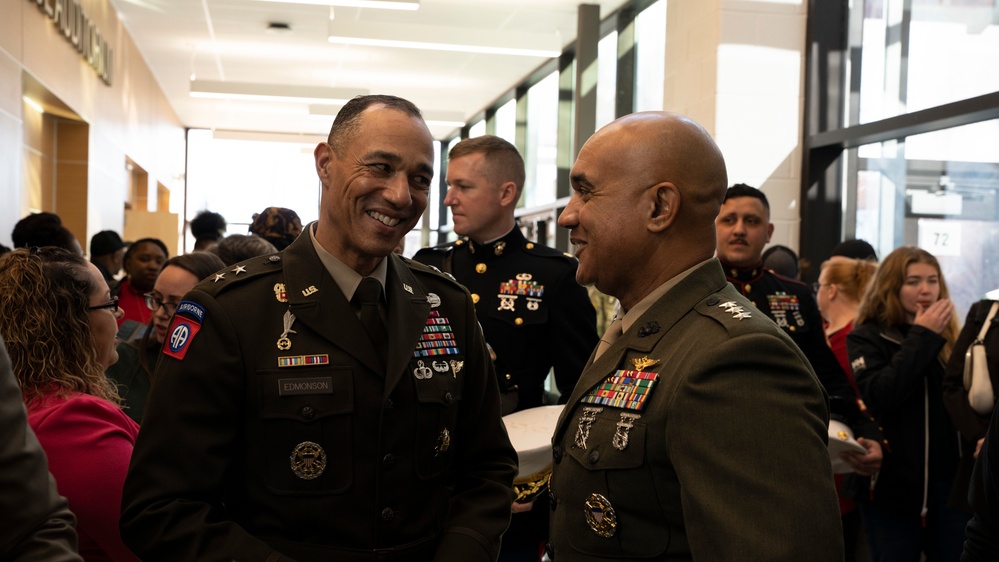
Freestate Challenge Academy is a tuition-free 22-week residential National Guard program at Aberdeen Proving Ground, MD, helping at-risk teens earn a GED.
Mountaineer Challenge Academy
Kingwood, WV
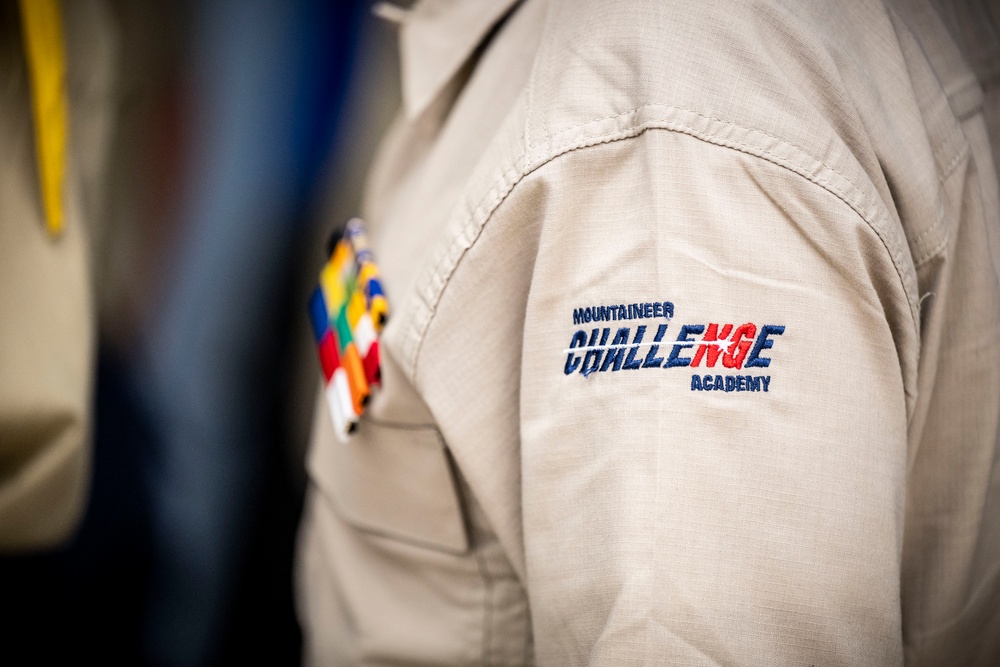
Tuition-free 22-week West Virginia National Guard residential program where at-risk youth ages 16-18 earn a high school diploma. Campuses in Kingwood and Montgomery.

New Jersey Youth Challenge Academy
Sea Girt, NJ
The New Jersey Youth Challenge Academy (NJYCA) is a free 22-week residential program for at-risk youth ages 16-18, run by the National Guard at Sea Girt since 1994.

Alaska Military Youth Academy
JBER, AK
Tuition-free 22-week National Guard Youth Challenge program at Joint Base Elmendorf-Richardson for at-risk Alaska youth ages 16-18. Coed, residential, founded 1994.
Appalachian Challenge Academy
Grays Knob, KY
Free 22-week Kentucky National Guard Youth Challenge program in Grays Knob for at-risk 16-18-year-olds: GED completion, high school credits, and trade certifications.
Guides & Resources
Pennsylvania EITC & OSTC: Tax Credits for Military School
Pennsylvania's EITC and OSTC let businesses fund military school scholarships for a 75-90% state tax credit — what families and business owners should know.
National Guard Youth Challenge Academies: What to Expect
Free 22-week National Guard residential programs for teens 16-18 who are behind in school. Eligibility, what to expect, and the academy in your state.
Free Military Schools: 4 Tuition-Free Options
Yes — four options charge no tuition: public military academies, charter schools, service academies, and Youth Challenge. Private boarding runs $25,500-$67,000.
Military School vs. Therapeutic Boarding School
Military schools build leaders; therapeutic programs treat crises. Compare purpose, staff, and cost — $30,000-$65,000 a year vs. $10,000-$20,000 a month.
The 10 Best Military Schools in America (2026)
Culver Academies leads our 2026 top 10 of America's best military schools — plus best-value, free, boys, girls, and college-prep picks, with verified tuition.
Oak Ridge Military Academy & North Carolina JROTC Guide
Oak Ridge Military Academy—coed, grades 7-12, founded 1852—anchors North Carolina's military school options, plus JROTC and the free Tarheel Challenge Academy.