Mountaineer Challenge Academy
Kingwood, WV
"Challenge Yourself. ChaNGe Your Life."
National Guard Youth Challenge Program
Free Intervention Program for At-Risk Youth Ages 16-18
At a Glance
Established
1993
Program Type
Youth Challenge
Administered By
National Guard
State
West Virginia
The Verdict
West Virginia was one of the original states to launch a National Guard Youth Challenge Program in 1993, and the Mountaineer Challenge Academy at Camp Dawson has since graduated over 5,900 cadets. Located on a 4,000+ acre National Guard training installation along the Cheat River in Preston County, MCA offers one of the nation's most effective and cost-efficient programs for at-risk youth.
Nearly 90 percent of cadets successfully complete the program and earn their high school diplomas in just 22 weeks. The academy made history when graduate William Farkas became the first WV Challenge cadet to receive an appointment to West Point. In 2020, a second campus opened in Montgomery to serve southern West Virginia, doubling the program's capacity to transform young lives through the eight core components: academic excellence, life coping skills, job skills, health and hygiene, responsible citizenship, service to community, leadership/followership, and physical fitness.
Campus & Cadet Life
About
Tuition-free 22-week West Virginia National Guard residential program where at-risk youth ages 16-18 earn a high school diploma. Campuses in Kingwood and Montgomery.
Admissions & Selectivity
Admissions Philosophy
open
Key Requirements
- Age 16 to 18 years old on start date
- West Virginia resident
- Active medical insurance
- Educationally at-risk (disengaged from traditional school)
- Free of illegal drugs or illegally used drugs
- Mentally stable and capable of handling program stress
- Physically capable of participating in training
- Not currently under indictment or convicted of a felony
- Voluntary enrollment (court orders do not prevent application)
Location
Program Details
Eligible Ages
16-18 years old
Residential Phase
22 weeks
Mentorship Phase
12 months
Cost
FREE
Annual Enrollment
500
Gender
coed
Eligibility
State Resident
Participation
Voluntary
Barracks Life
Housing Type
barracks
Daily Schedule
The day begins at 0500 (5:00 AM) with one hour of physical training before breakfast. Cadets then attend academic classes, life skills instruction, and job training throughout the day. Organized athletics follow afternoon classes. Evenings are spent preparing uniforms and equipment for the next day. Weekends include continued classes, recreational activities, field training exercises (camping), and community service projects. Voluntary worship services and youth fellowship are available on Sundays. Cadets have no access to social media, television, or personal phones. Phone calls home are permitted starting week three on a scheduled basis, and visitations are prohibited except for two mandatory leave weekends during the 22-week cycle.
Discipline Model
The quasi-military discipline model uses military-style structure, drill and ceremony, and chain of command to build accountability without being a boot camp or detention facility. Participation is entirely voluntary. Cadets follow an Honor Code emphasizing integrity, responsible citizenship, and community values. The first few weeks are identified as the most challenging due to environmental, dietary, and lifestyle changes. Separate living areas exist for male and female cadets, though platoons and educational groups are co-ed. No romantic relationships are permitted. The program focuses on positive development rather than punishment, using the eight core components to instill values, life skills, and self-discipline.
Program Outcomes
Success Metrics
Nearly 90 percent of cadets successfully complete the program and earn their high school diplomas in only 22 weeks. Academic instruction covers math, science, social studies, language arts, and literature using PLATO software, preparing cadets for the High School Equivalency test administered around week 17. Diplomas are issued by the cadet's home high school and presented at MCA graduation. Since 1993, over 5,900 cadets have graduated from the program, with thousands earning their high school diplomas. The Mountaineer Job Challenge Program offers additional industry-recognized certifications in manufacturing, medical technician, pre-apprenticeship, and energy sector fields.
Post-Program Pathways
In a historic first, MCA graduate William Farkas received an appointment to the U.S. Military Academy at West Point, earning nominations from two U.S. Senators and a Representative. Many graduates enlist in the U.S. military, including the Army, Navy, Air Force, Marine Corps, Coast Guard, and West Virginia National Guard. Graduates have completed basic training at Fort Jackson, Parris Island, Lackland AFB, and Coast Guard Training Center Cape May, going on to serve aboard Navy destroyers, as combat medics, and in various military specialties.
Note: Youth Challenge programs focus on GED completion, credit recovery, and life skills development—not traditional college prep metrics.
Physical Training
Physical Fitness Program
Daily physical training (PT) is mandatory for all cadets, occurring every morning before breakfast starting at 0500. Physical fitness is one of the eight core components of the program, with training designed to encourage a lifelong commitment to physical, mental, and emotional well-being. The PT program includes aerobics, running, calisthenics, and organized athletics. Cadets participate in the President's Council on Physical Fitness Program and can earn awards for achievement. Additional physical activity occurs through drill and ceremony practice, land navigation exercises, Platoon Olympics, and Hard Core Challenges that develop leadership traits and teamwork.
Physical Activities
Facilities
Located at Camp Dawson, a 4,000+ acre West Virginia National Guard Training Site along the Cheat River in Preston County. Facilities include barracks accommodating over 500 personnel, classrooms, academic computer labs with PLATO software, physical training areas, drill fields, and extensive outdoor training terrain. The installation features the Thousand-Acre Woods training area atop Briery Mountain and over 3,000 acres of maneuver training space. A second MCA campus opened in Montgomery in 2020 to serve southern West Virginia.
Note: Youth Challenge programs emphasize physical fitness as one of the Eight Core Components, focusing on building endurance, strength, and healthy habits rather than varsity athletics.
Related Schools
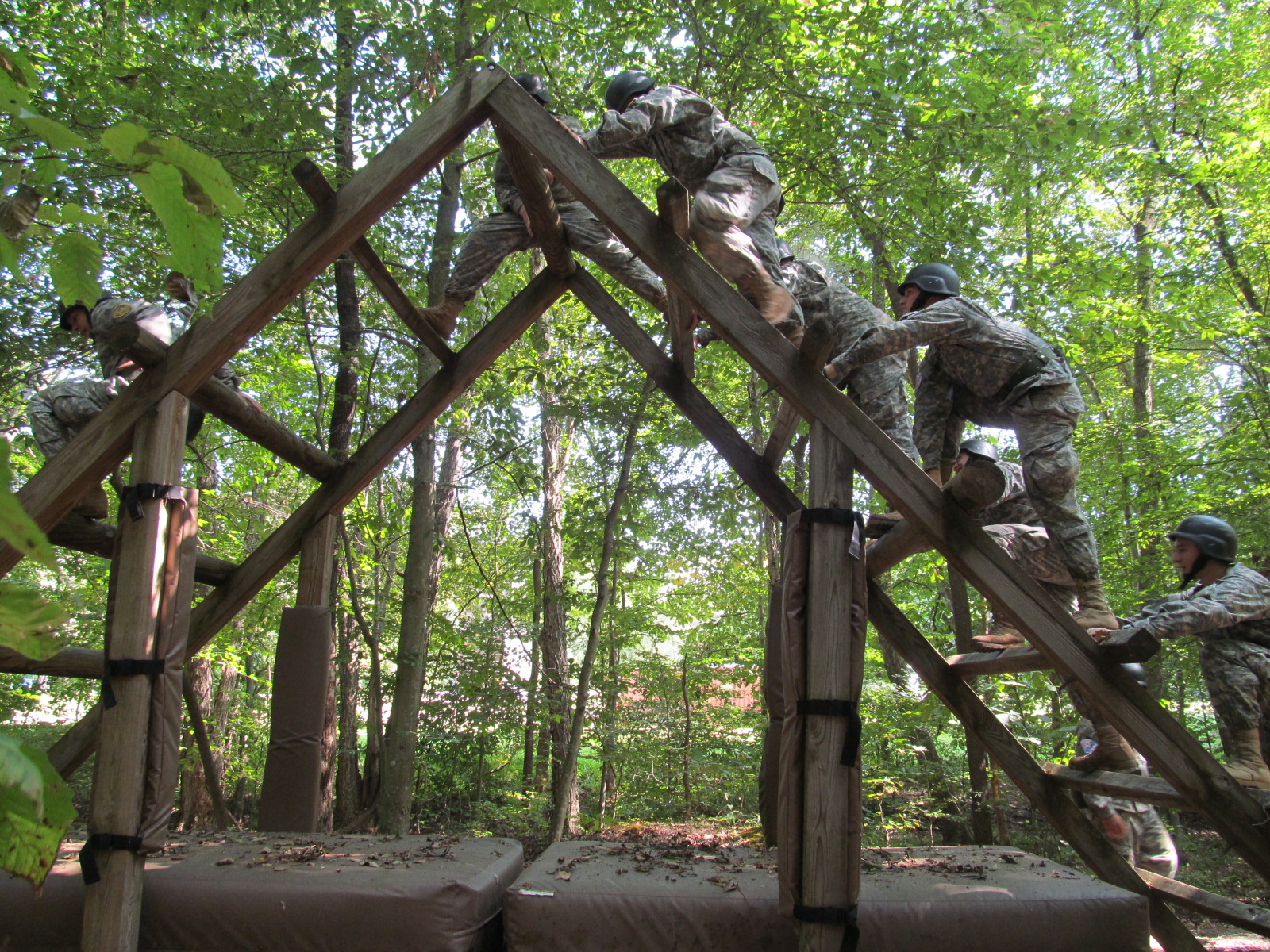
Appalachian Challenge Academy
Grays Knob, KY
Free 22-week Kentucky National Guard Youth Challenge program in Grays Knob for at-risk 16-18-year-olds: GED completion, high school credits, and trade certifications.
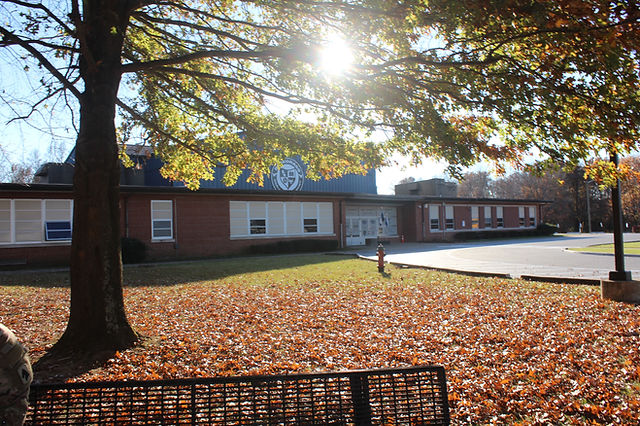
Bluegrass Challenge Academy
Fort Knox, KY
Free 22-week Kentucky National Guard Youth Challenge program at Fort Knox for at-risk 16-18-year-olds: GED completion, credit recovery, and 12-month mentoring.
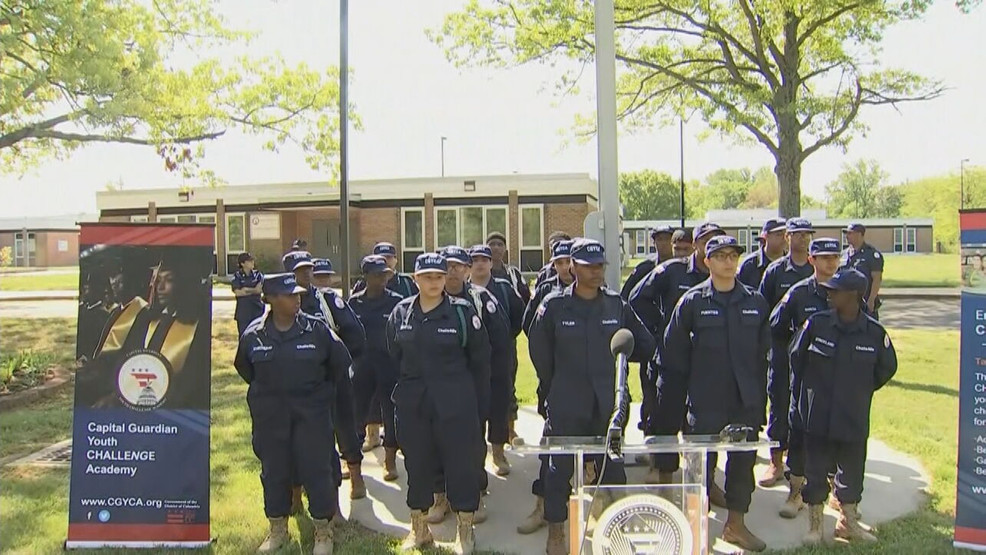
Capital Guardian Youth Challenge
Laurel, MD
Capital Guardian Youth Challenge Academy (CGYCA) is a free 22-week residential program in Laurel, MD, where the DC National Guard helps teens 16-18 earn a GED or diploma.
Commonwealth Challenge Youth Academy
Virginia Beach, VA
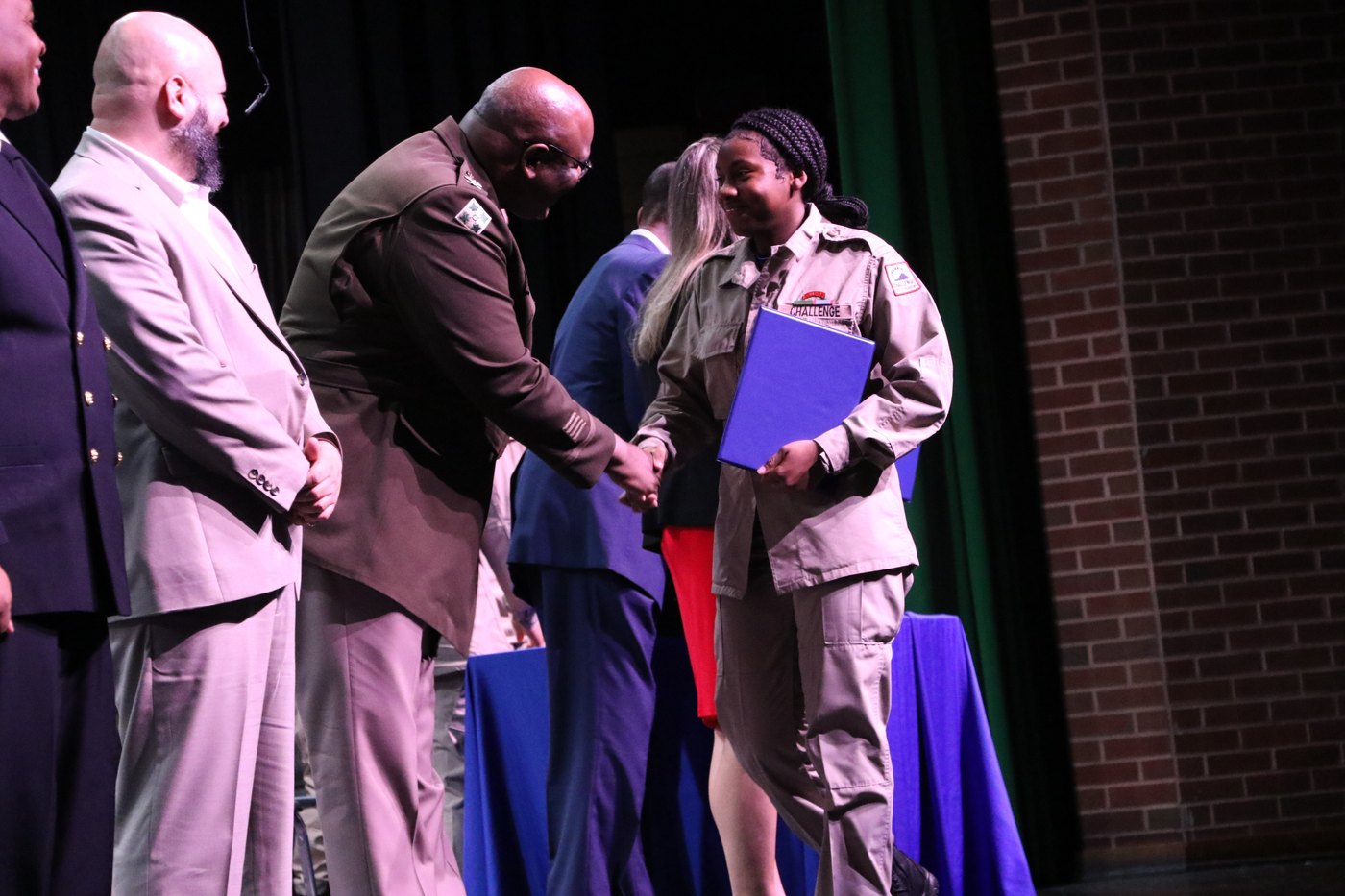
Commonwealth Challenge is Virginia's tuition-free National Guard Youth Challenge program in Virginia Beach — a 22-week residential phase of GED prep, life skills, and discipline.
Freestate Challenge Academy
Aberdeen Proving Ground, MD
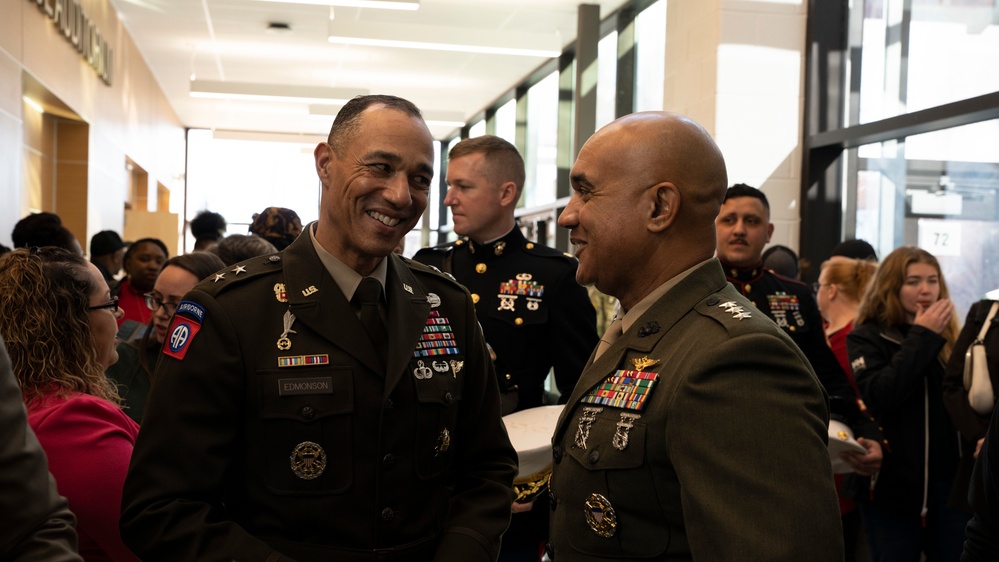
Freestate Challenge Academy is a tuition-free 22-week residential National Guard program at Aberdeen Proving Ground, MD, helping at-risk teens earn a GED.
Keystone State Challenge Academy
Annville, PA
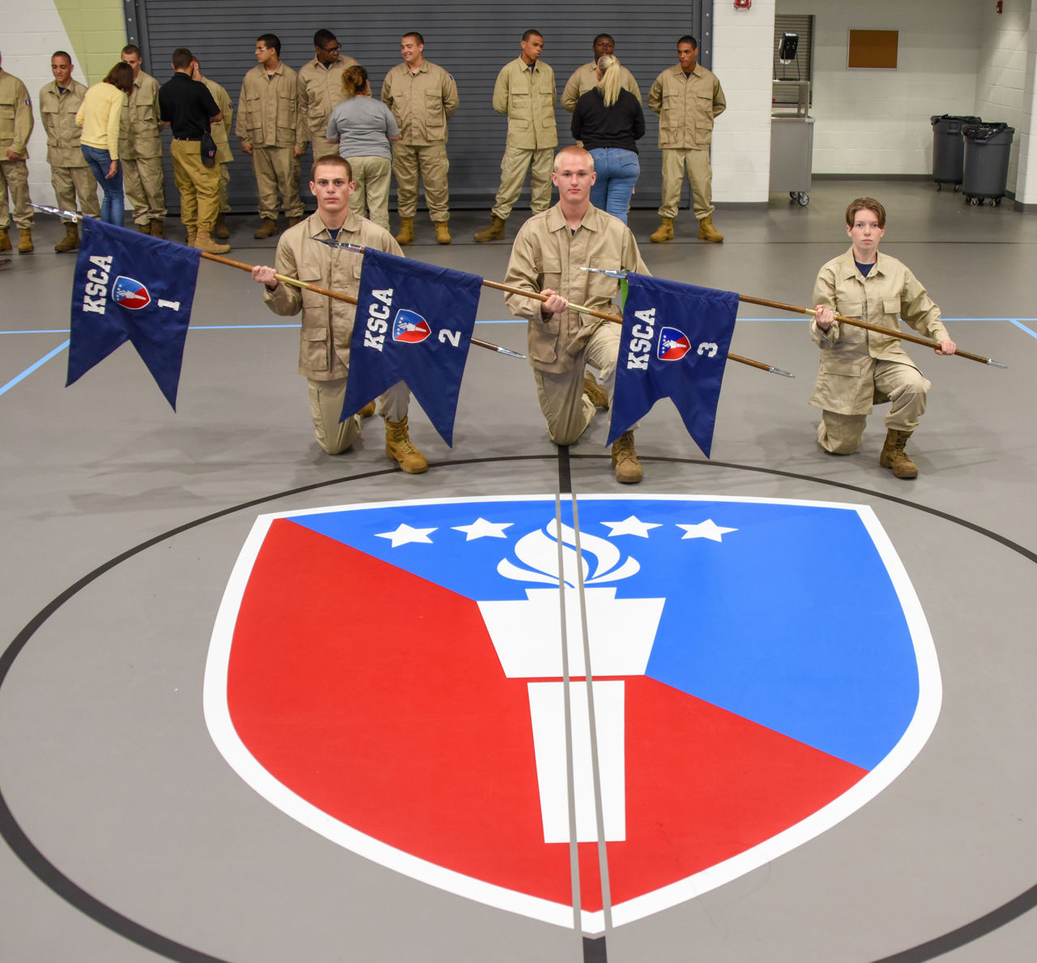
Keystone State Challenge Academy is a free 22-week National Guard residential program at Fort Indiantown Gap for Pennsylvania youth ages 16-18 earning a GED.
Guides & Resources
National Guard Youth Challenge Academies: What to Expect
Free 22-week National Guard residential programs for teens 16-18 who are behind in school. Eligibility, what to expect, and the academy in your state.
Free Military Schools: 4 Tuition-Free Options
Yes — four options charge no tuition: public military academies, charter schools, service academies, and Youth Challenge. Private boarding runs $25,500-$67,000.
Military School vs. Therapeutic Boarding School
Military schools build leaders; therapeutic programs treat crises. Compare purpose, staff, and cost — $30,000-$65,000 a year vs. $10,000-$20,000 a month.
Benefits of Military School for Girls: Leadership & STEM
Girls hold the same ranks and commands as boys at coed military schools — and make up about 20% of enrollment. Leadership, STEM, and academy benefits.
IEPs and 504 Plans at Military Schools
Many military schools honor accommodations like extended test time, but private schools aren't required to follow IEPs. 7 questions to ask admissions first.
What Is a Military School?
A military school is a college-prep school that uses military structure — uniforms, rank, and drill — not a boot camp. The 4 types explained, including free options.