Freestate Challenge Academy
Aberdeen Proving Ground, MD
"Dream. Believe. Achieve."
National Guard Youth Challenge Program
Free Intervention Program for At-Risk Youth Ages 16-18
At a Glance
Established
1993
Program Type
Youth Challenge
Administered By
National Guard
State
Maryland
The Verdict
Founded in 1993 as one of the original 10 National Guard Youth Challenge Programs in the nation, Freestate Challenge Academy has graduated more than 4,000 cadets who arrived as high school dropouts and left with GEDs, job skills, and a second chance at life.
Located on secure Aberdeen Proving Ground—a gated military installation—parents appreciate the distraction-free, safe environment far from negative influences. The academy combines military-style discipline with intensive academics in a completely tuition-free 22-week residential program. The motto "Dream. Believe. Achieve." captures the transformative mission.
Campus & Cadet Life
About
Freestate Challenge Academy is a tuition-free 22-week residential National Guard program at Aberdeen Proving Ground, MD, helping at-risk teens earn a GED.
Admissions & Selectivity
Admissions Philosophy
open
Key Requirements
- Must be 15 years 7 months to 18 years old at entry
- Must have withdrawn from high school, home school, or other GED program
- No felony convictions or pending court actions
- Not on probation or parole
- Voluntary enrollment with willingness to comply with program rules
- Drug-free upon registration (mandatory screening within first 40 days)
- Complete physical examination by licensed physician
- All Maryland school immunizations current (including Hepatitis B, Meningococcal, Varicella)
- Parent/guardian and applicant must attend information session together (if under 18)
Location
Program Details
Eligible Ages
16-18 years old
Residential Phase
22 weeks
Mentorship Phase
12 months
Cost
FREE
Annual Enrollment
25
Gender
coed
Eligibility
State Resident
Participation
Voluntary
Barracks Life
Housing Type
barracks
Daily Schedule
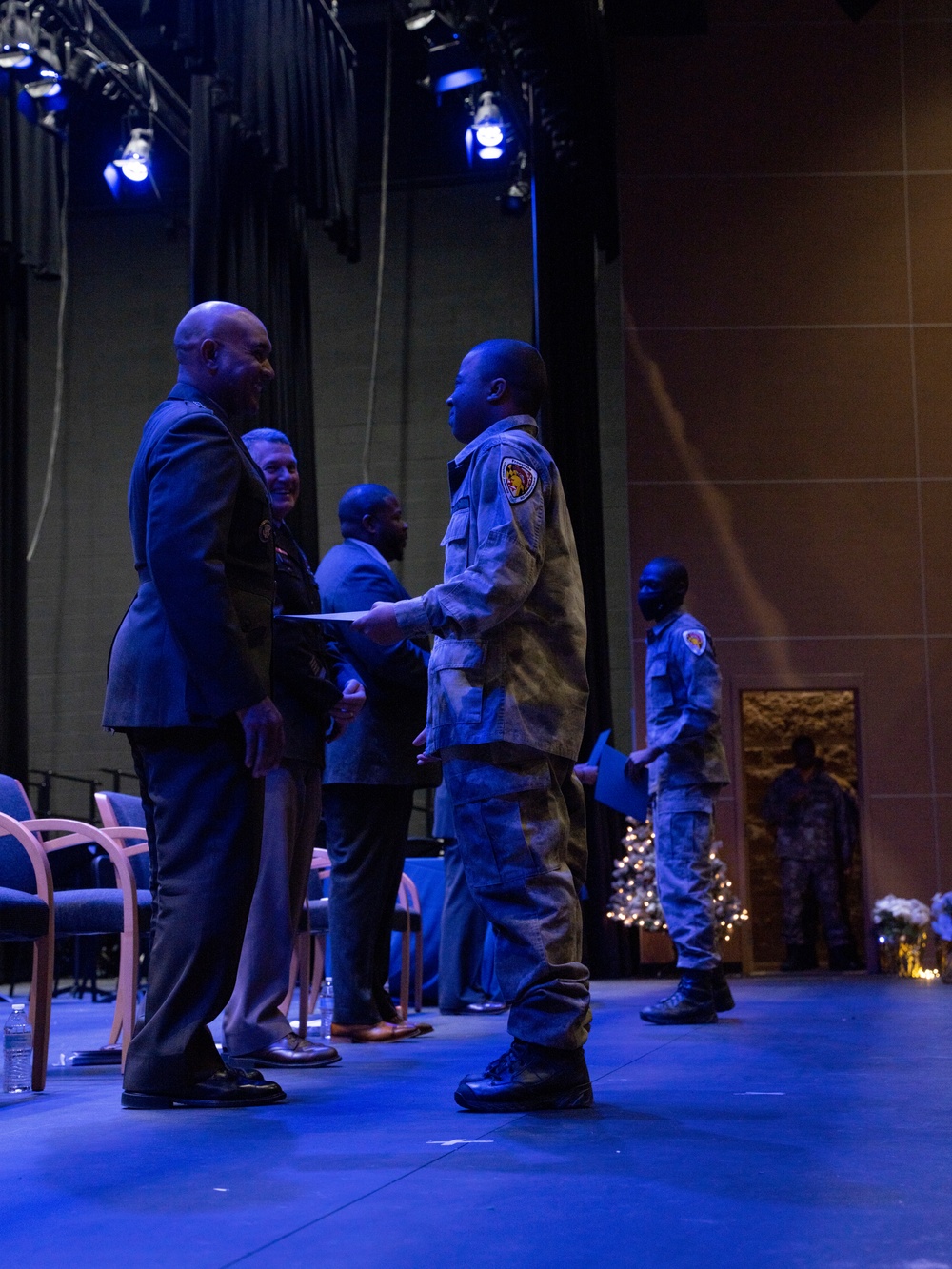
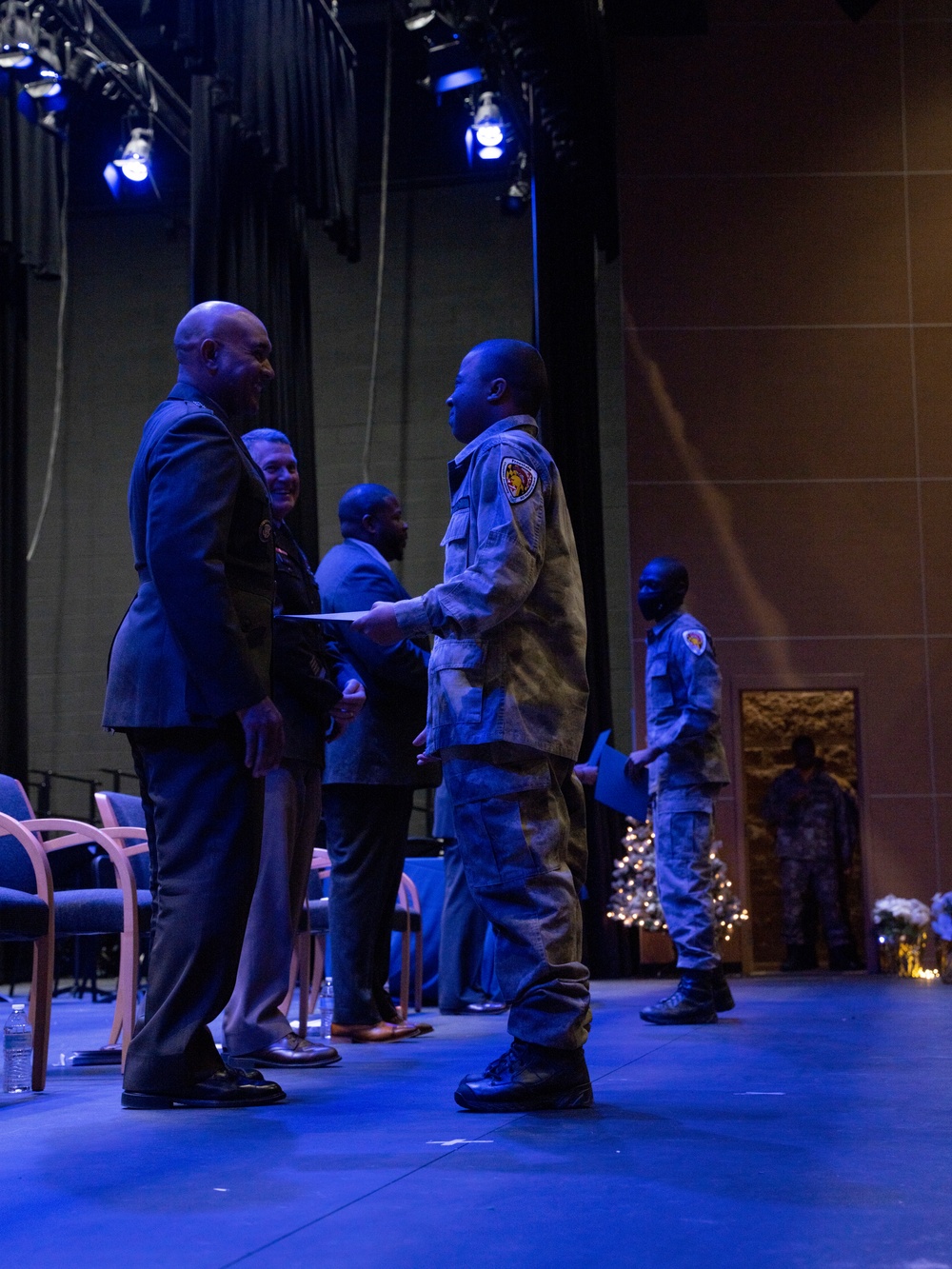
Highly structured quasi-military environment with lights out at 9 PM and 5:30 AM wake-up call for physical training. Every minute of every day is accounted for. Cadets march as a platoon to classes, meals, and all functions. The first two weeks serve as acclimation to the basic structure and discipline, culminating in a Crossover Ceremony where candidates officially become cadets. Cell phones, social media, and internet access are prohibited. Cadets demonstrating good behavior earn points redeemable for home visits.
Discipline Model
Quasi-military discipline model with continuous cadre supervision. The program emphasizes structure, accountability, and personal responsibility. Cadets who test positive for drugs are terminated. The environment is described as 'Tough, Demanding, No-Nonsense, Structure, Discipline, Accomplishment.' Discipline is enforced through the cadre chain of command with a focus on teaching self-discipline and life skills rather than punishment.
Program Outcomes
Success Metrics
Varies by class - graduates pursue college, trade schools, military enlistment, or employment
Post-Program Pathways
Cadets receive ASVAB preparation for military enlistment pathways
Note: Youth Challenge programs focus on GED completion, credit recovery, and life skills development—not traditional college prep metrics.
Physical Training
Physical Fitness Program
Daily physical training (PT) at 5:30 AM is mandatory for all cadets. The fitness program is based on the President's Challenge physical fitness standards. Group PT builds camaraderie and esprit de corps among cadets while improving fitness levels. Cadets work toward Presidential Physical Fitness Awards. Physical fitness is one of the 8 core components that must be passed to graduate.
Physical Activities
Facilities
The academy operates on secure Aberdeen Proving Ground (APG) in the Edgewood Area—a 72,500-acre gated military installation. Parents appreciate the 'gated community' safety of the base location, which eliminates outside distractions and negative influences. Facilities include military installation housing, classrooms, dining facilities, and physical training areas with continuous cadre supervision.
Note: Youth Challenge programs emphasize physical fitness as one of the Eight Core Components, focusing on building endurance, strength, and healthy habits rather than varsity athletics.
Photo Gallery
Related Schools
Capital Guardian Youth Challenge
Laurel, MD
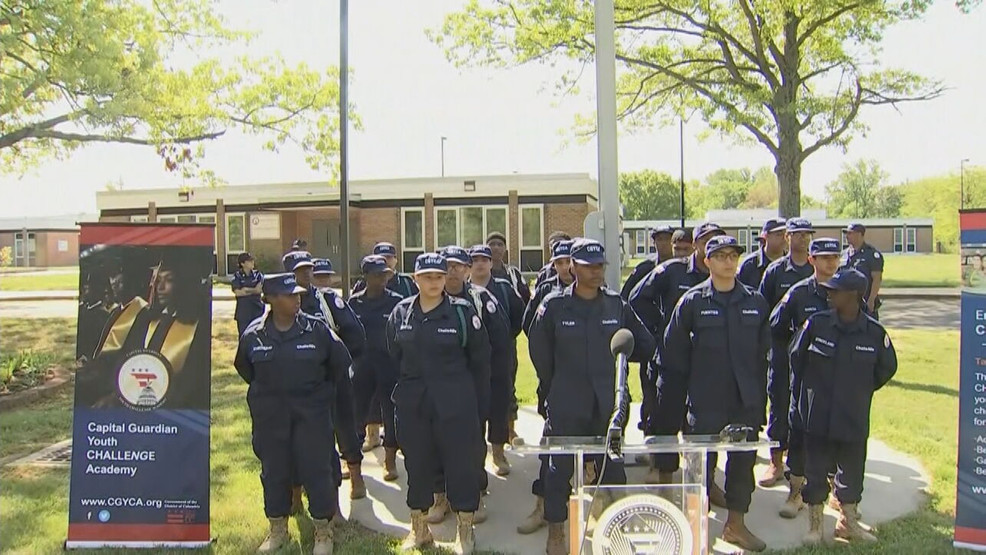
Capital Guardian Youth Challenge Academy (CGYCA) is a free 22-week residential program in Laurel, MD, where the DC National Guard helps teens 16-18 earn a GED or diploma.
Commonwealth Challenge Youth Academy
Virginia Beach, VA
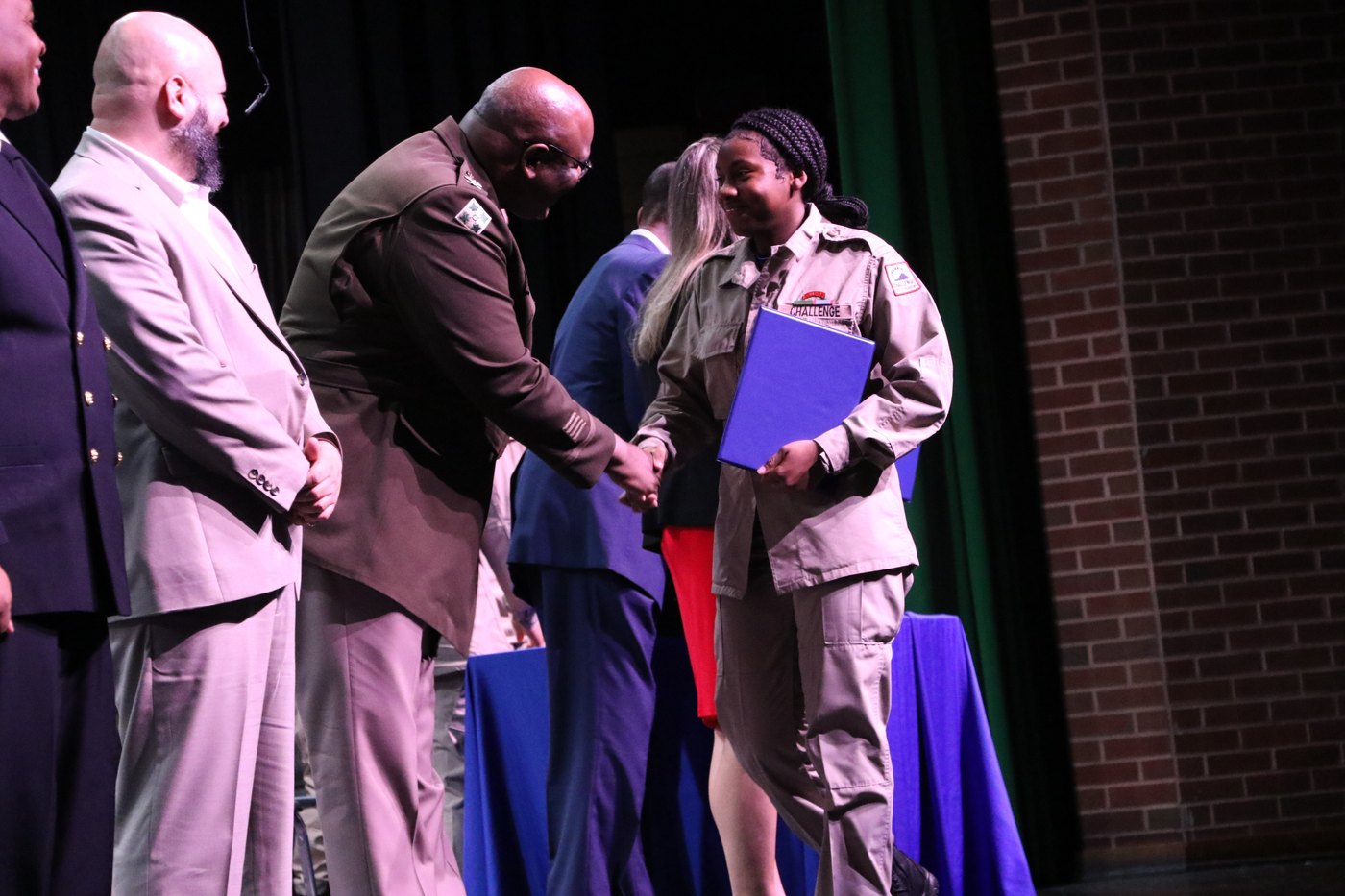
Commonwealth Challenge is Virginia's tuition-free National Guard Youth Challenge program in Virginia Beach — a 22-week residential phase of GED prep, life skills, and discipline.
Keystone State Challenge Academy
Annville, PA
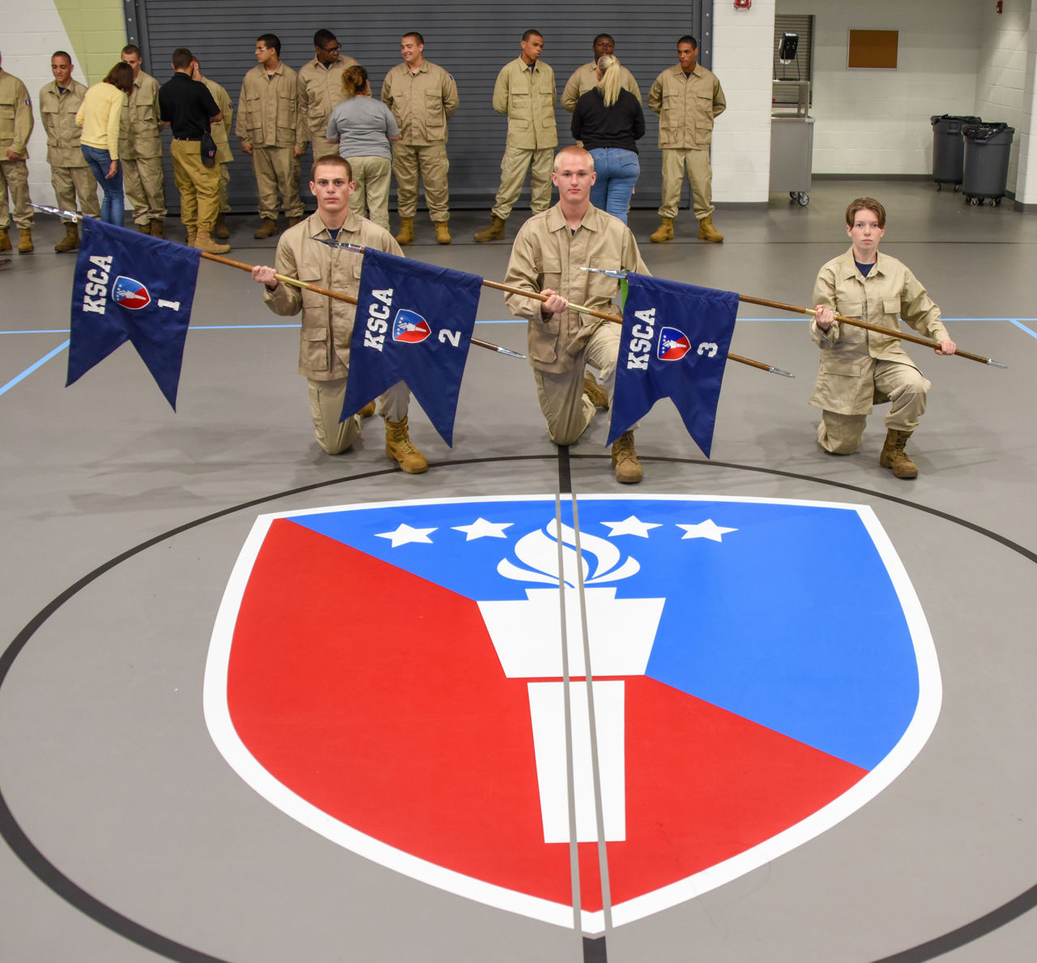
Keystone State Challenge Academy is a free 22-week National Guard residential program at Fort Indiantown Gap for Pennsylvania youth ages 16-18 earning a GED.
Mountaineer Challenge Academy
Kingwood, WV
Tuition-free 22-week West Virginia National Guard residential program where at-risk youth ages 16-18 earn a high school diploma. Campuses in Kingwood and Montgomery.

Alaska Military Youth Academy
JBER, AK
Tuition-free 22-week National Guard Youth Challenge program at Joint Base Elmendorf-Richardson for at-risk Alaska youth ages 16-18. Coed, residential, founded 1994.
Appalachian Challenge Academy
Grays Knob, KY
Free 22-week Kentucky National Guard Youth Challenge program in Grays Knob for at-risk 16-18-year-olds: GED completion, high school credits, and trade certifications.
Guides & Resources
National Guard Youth Challenge Academies: What to Expect
Free 22-week National Guard residential programs for teens 16-18 who are behind in school. Eligibility, what to expect, and the academy in your state.
Free Military Schools: 4 Tuition-Free Options
Yes — four options charge no tuition: public military academies, charter schools, service academies, and Youth Challenge. Private boarding runs $25,500-$67,000.
Military School vs. Therapeutic Boarding School
Military schools build leaders; therapeutic programs treat crises. Compare purpose, staff, and cost — $30,000-$65,000 a year vs. $10,000-$20,000 a month.
Chicago's 6 Free Public Military High Schools (CPS)
Chicago Public Schools operates six tuition-free military high schools—the largest public military academy system in America. How to apply and what to expect.
What Disqualifies a Student from Military School?
Most behavioral issues won't bar admission—past suspensions, single incidents, truancy. See the 8 issues that typically disqualify a military school applicant.
What Is a Military School?
A military school is a college-prep school that uses military structure — uniforms, rank, and drill — not a boot camp. The 4 types explained, including free options.