Lincoln's Challenge Academy
Rantoul, IL
"Change Takes Courage"
National Guard Youth Challenge Program
Free Intervention Program for At-Risk Youth Ages 16-18
At a Glance
Established
1993
Program Type
Youth Challenge
Administered By
National Guard
State
Illinois
Accreditations
The Verdict
Illinois operates the largest single-site Youth Challenge Academy in the nation, having transformed over 16,000 at-risk youth since 1993. Located on the former Chanute Air Force Base in Rantoul, Lincoln's Challenge Academy was one of the original 15 pilot programs selected by Congress.
With a 75% GED pass rate (compared to the state average of 53%), roughly one-third of graduates entering college, another third joining the workforce, and the remainder enlisting in the military—this free 22-week residential program delivers measurable results for young people who've dropped out of traditional education.
About
Lincoln's Challenge Academy in Rantoul is Illinois' free 22-week National Guard program for ages 16-18 — the nation's largest single-site Youth Challenge academy.
Admissions & Selectivity
Admissions Philosophy
open
Key Requirements
- Age 16-18 (must be 16 by residential phase completion, no older than 18 on first day)
- Illinois resident and U.S. citizen or lawful permanent resident
- High school dropout or at-risk of not graduating
- No felony convictions or pending charges
- Not on parole or probation (except juvenile status offenses or misdemeanors)
- Physically and mentally capable of full participation
- Willing to abstain from drugs, alcohol, THC/CBD, and tobacco
- Voluntary enrollment with parental consent
Location
Program Details
Eligible Ages
16-18 years old
Residential Phase
22 weeks
Mentorship Phase
12 months
Cost
FREE
Annual Enrollment
400
Gender
coed
Eligibility
State Resident
Participation
Voluntary
Barracks Life
Housing Type
dorm
Daily Schedule
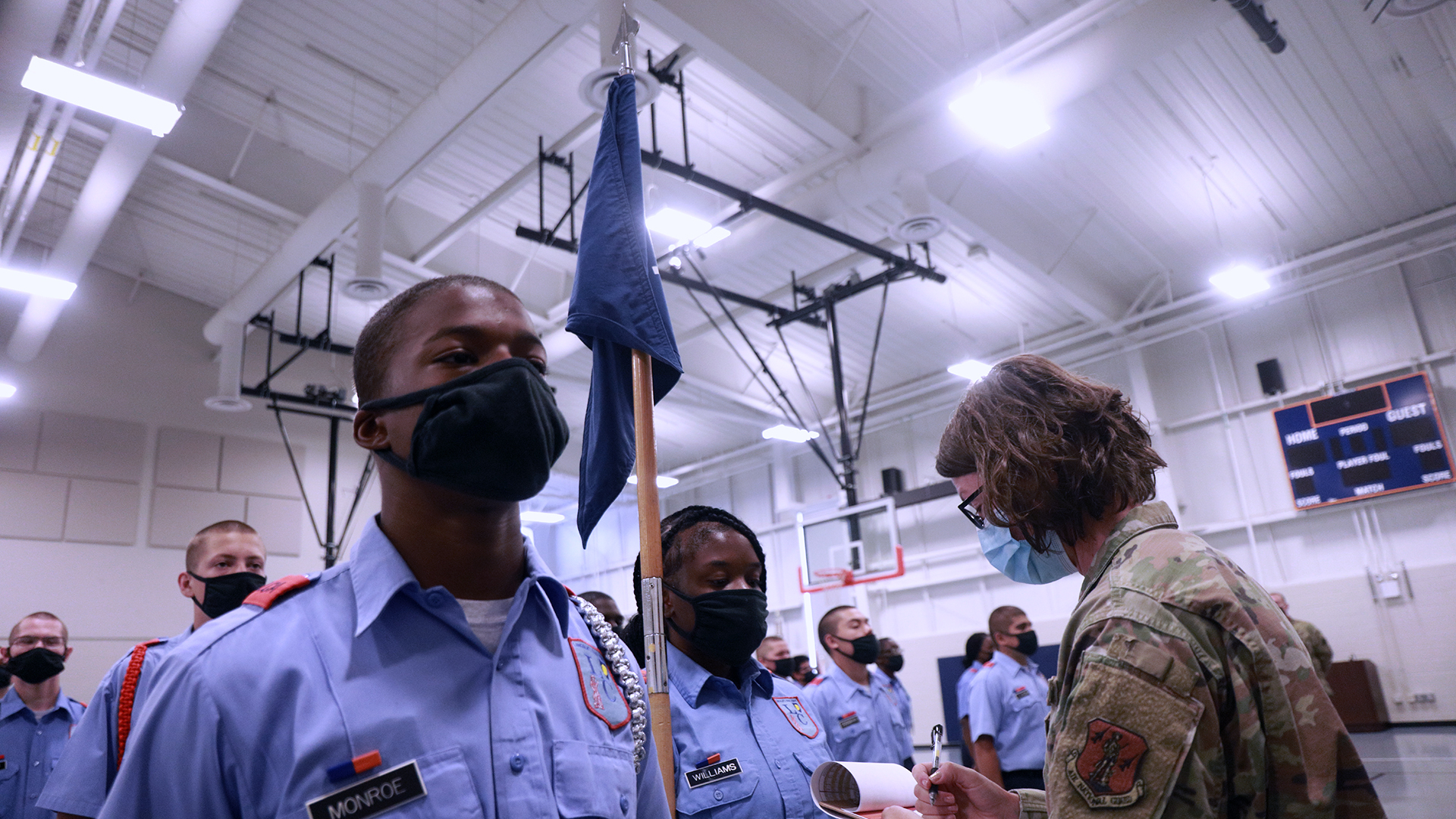
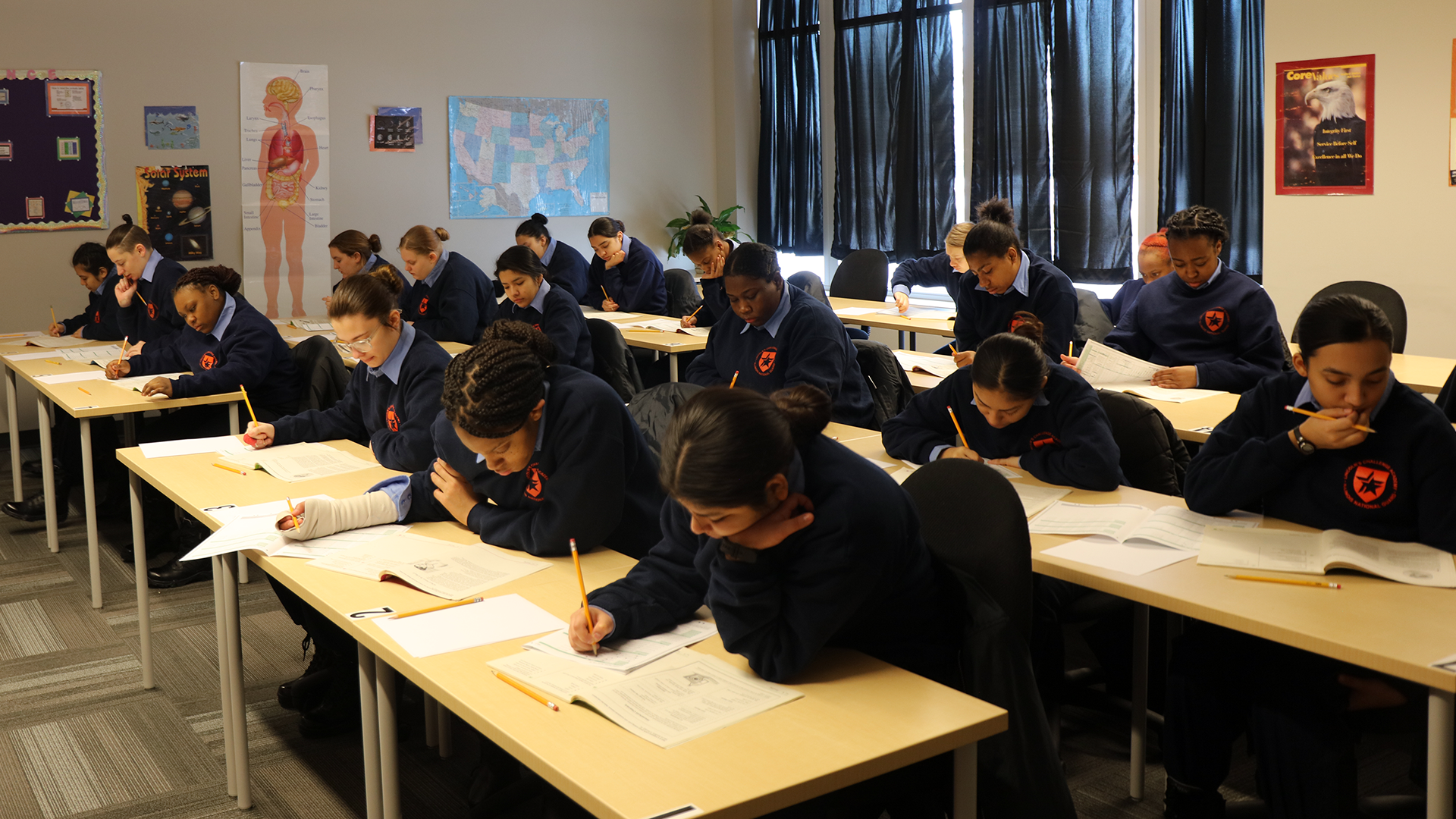
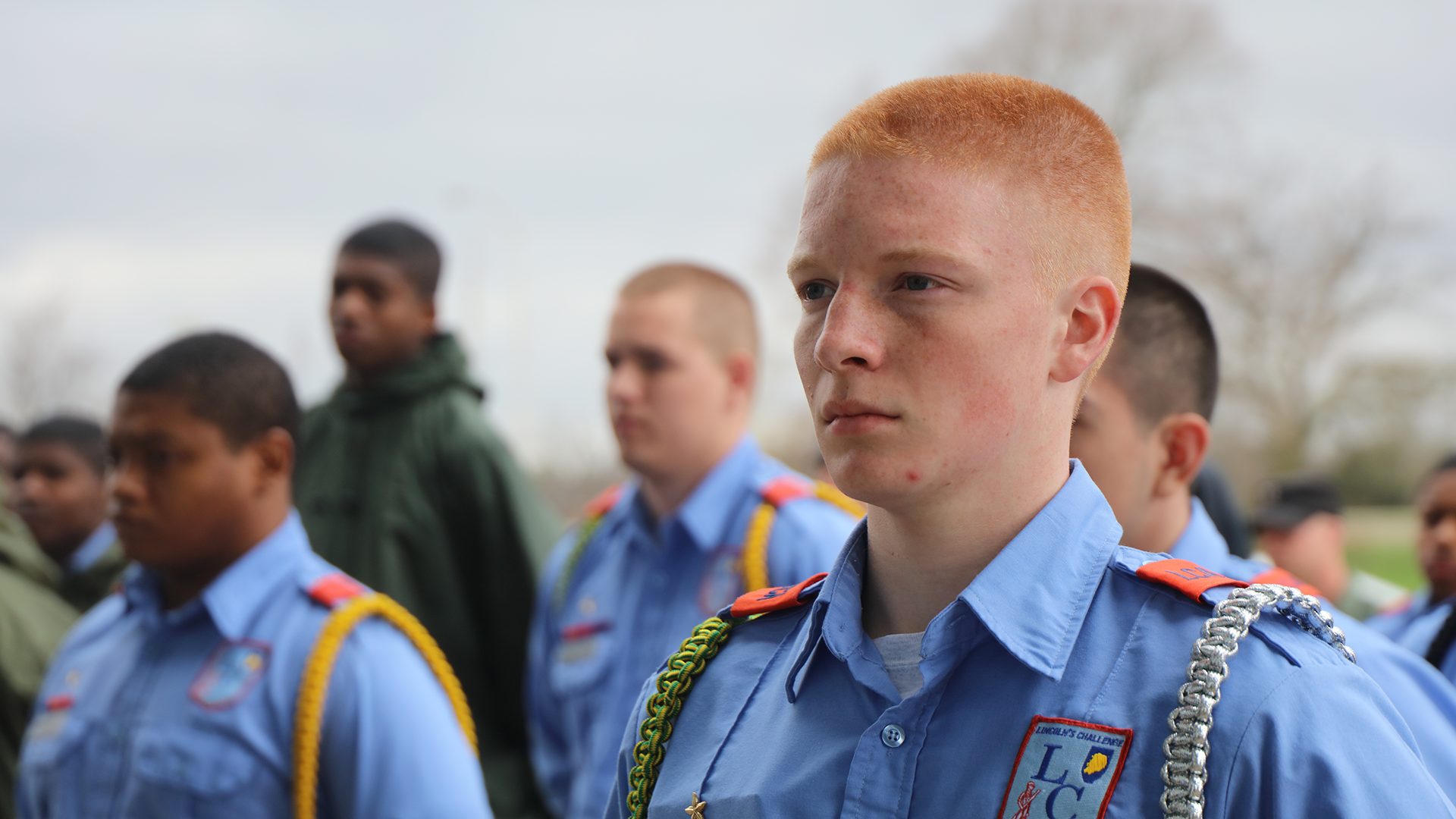
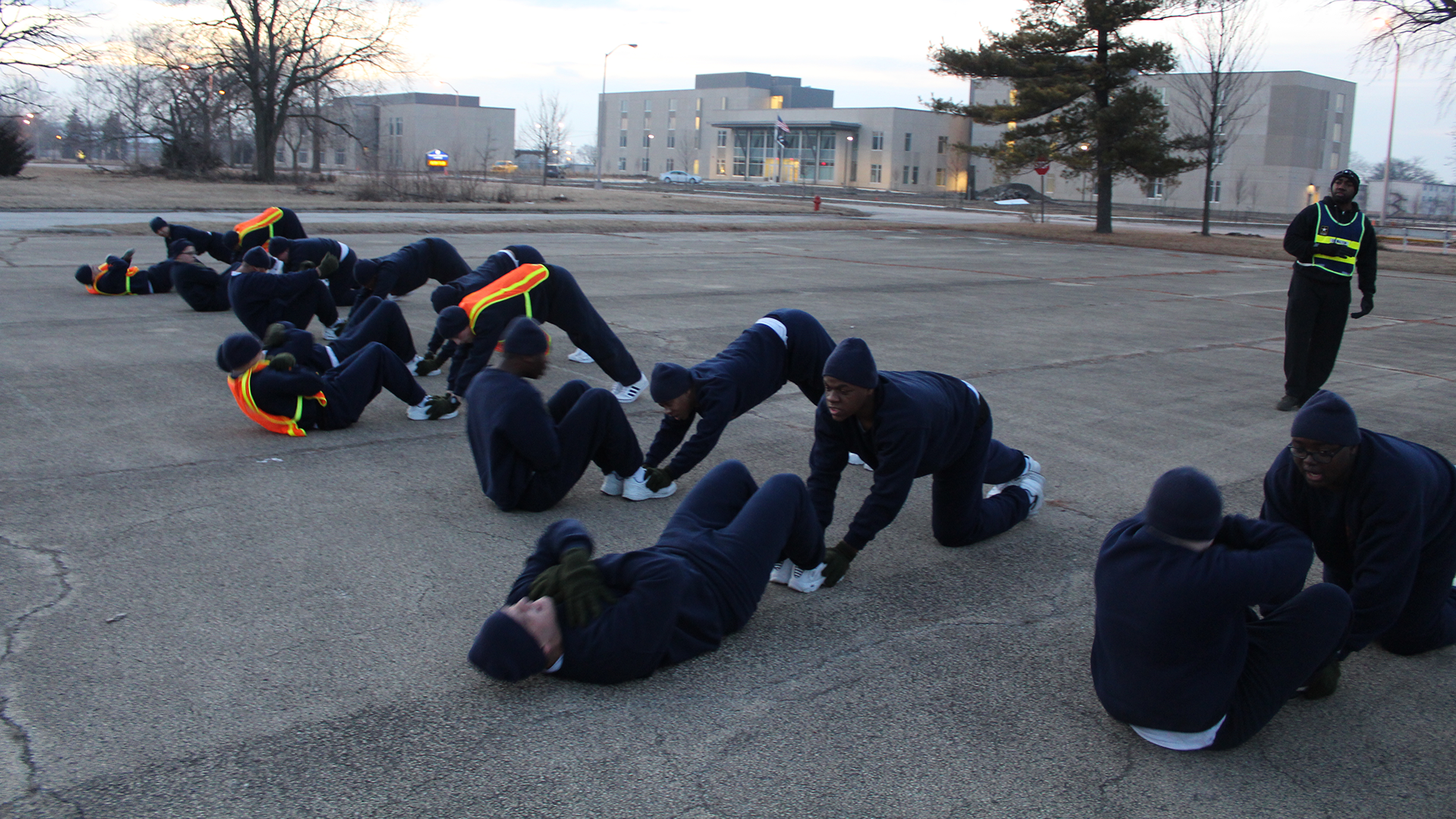
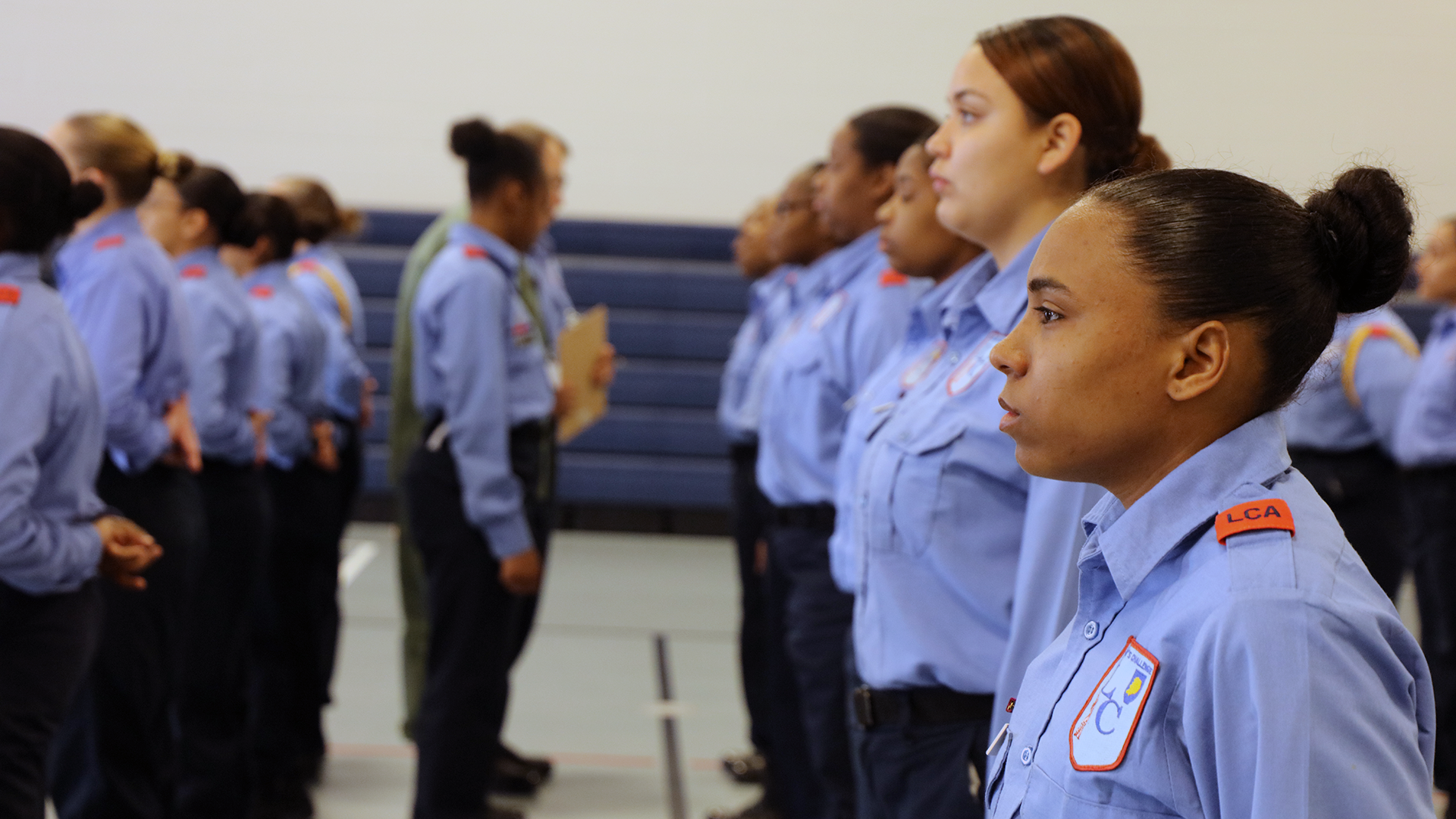
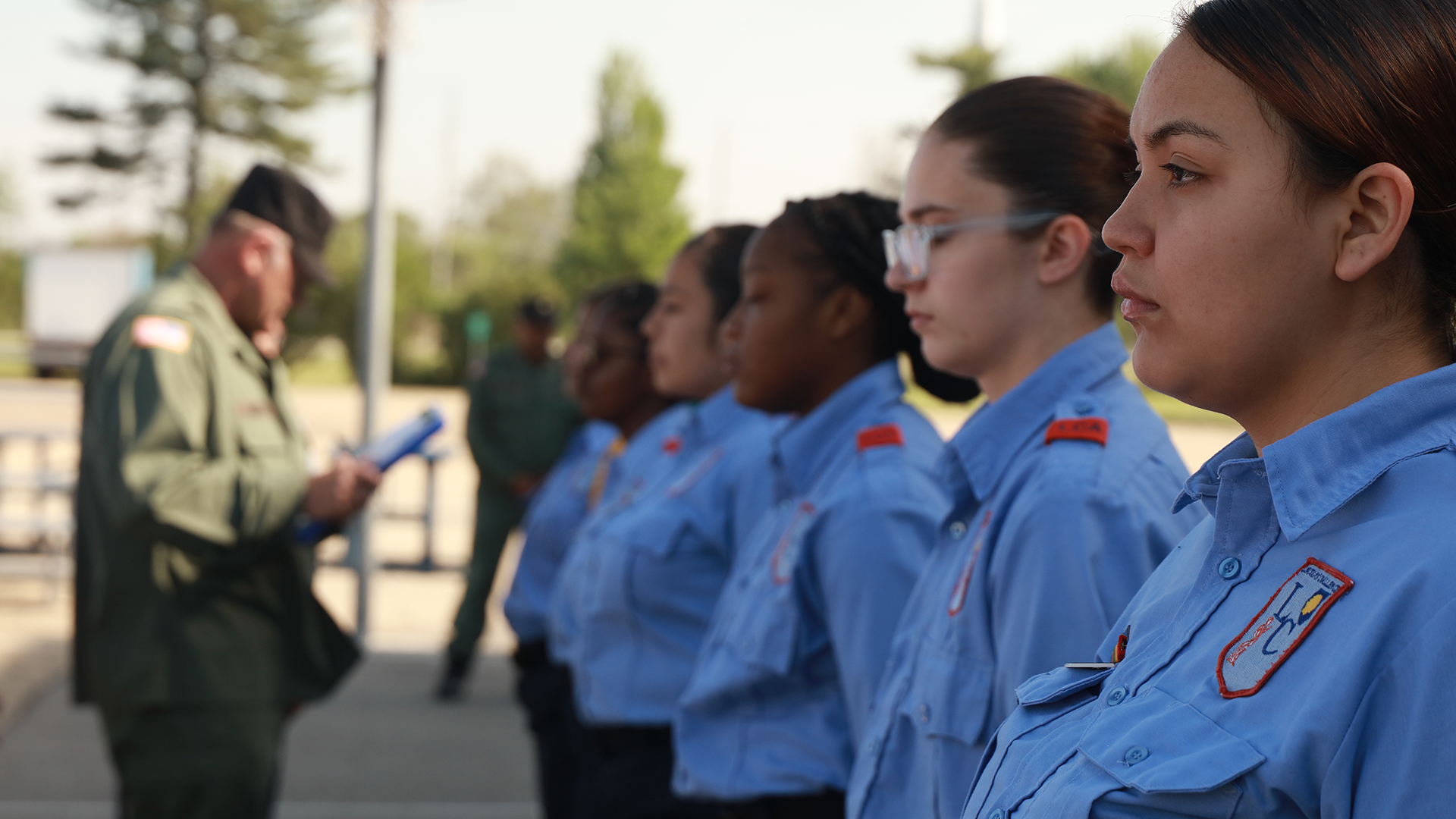
The 22-week residential phase operates 24/7 with a rigorous, military-style daily structure. Cadets begin with morning physical training and cadence marching, followed by classroom instruction covering the eight core components: Academic Excellence, Life Coping Skills, Job Skills, Health and Hygiene, Responsible Citizenship, Service to Community, Leadership/Followership, and Physical Fitness. Personal time is very limited, and cadets are supervised at all times. Off-campus activities are only authorized with staff supervision.
Discipline Model
Quasi-military discipline model emphasizing structure, self-discipline, and accountability. Cadets follow a strict code of conduct with no tolerance for drugs, alcohol, or tobacco. The program uses a merit-based advancement system where cadets progress through leadership positions. Each cadet serves in a leadership role at some point during the residential phase, learning both to lead and to follow. Team-based accountability reinforces peer support and collective responsibility.
Program Outcomes
Success Metrics
34%
Post-Program Pathways
12% of graduates pursue military careers; many enlist directly into National Guard, Army, Navy, and other branches
Note: Youth Challenge programs focus on GED completion, credit recovery, and life skills development—not traditional college prep metrics.
Physical Training
Physical Fitness Program
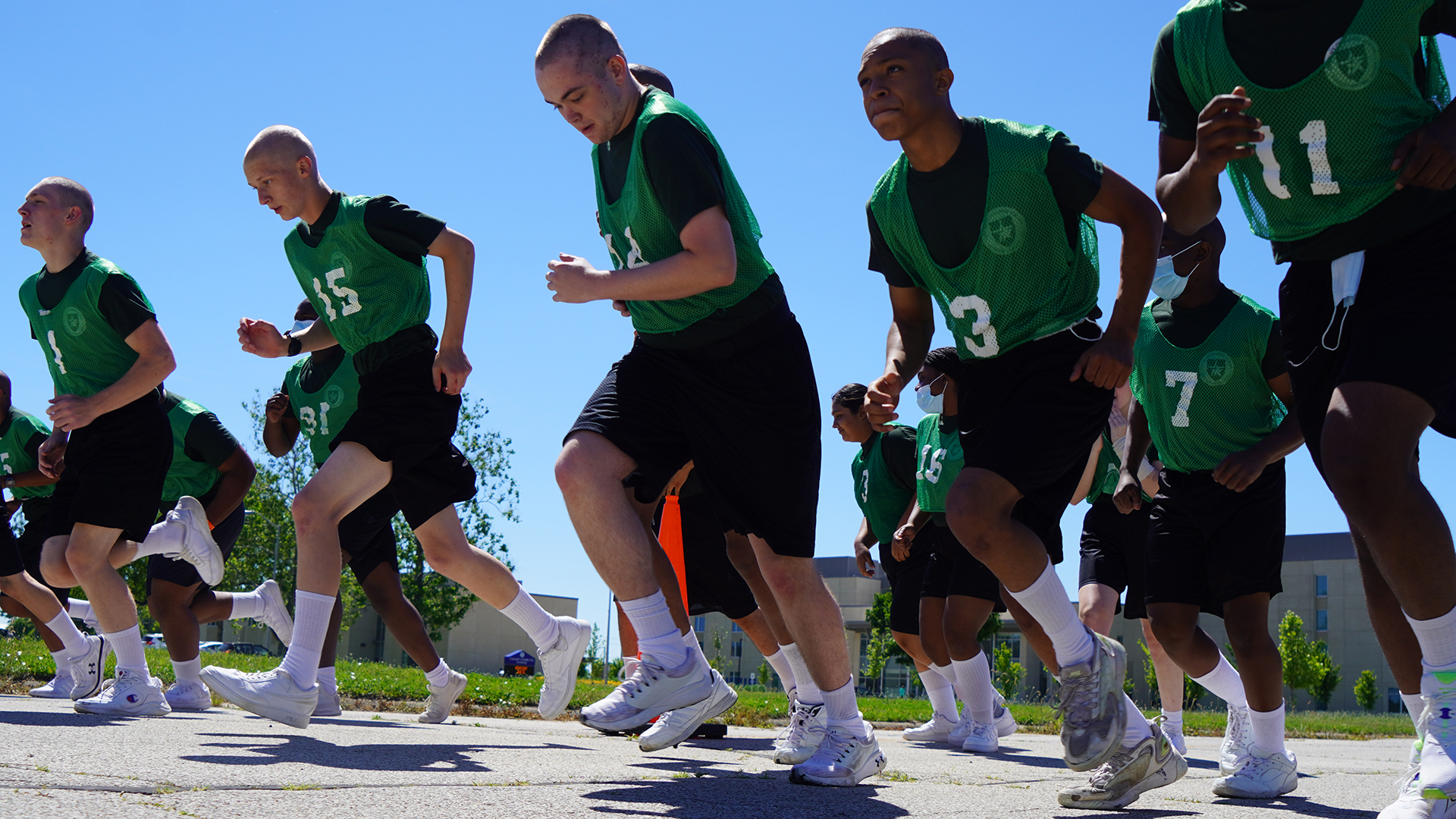
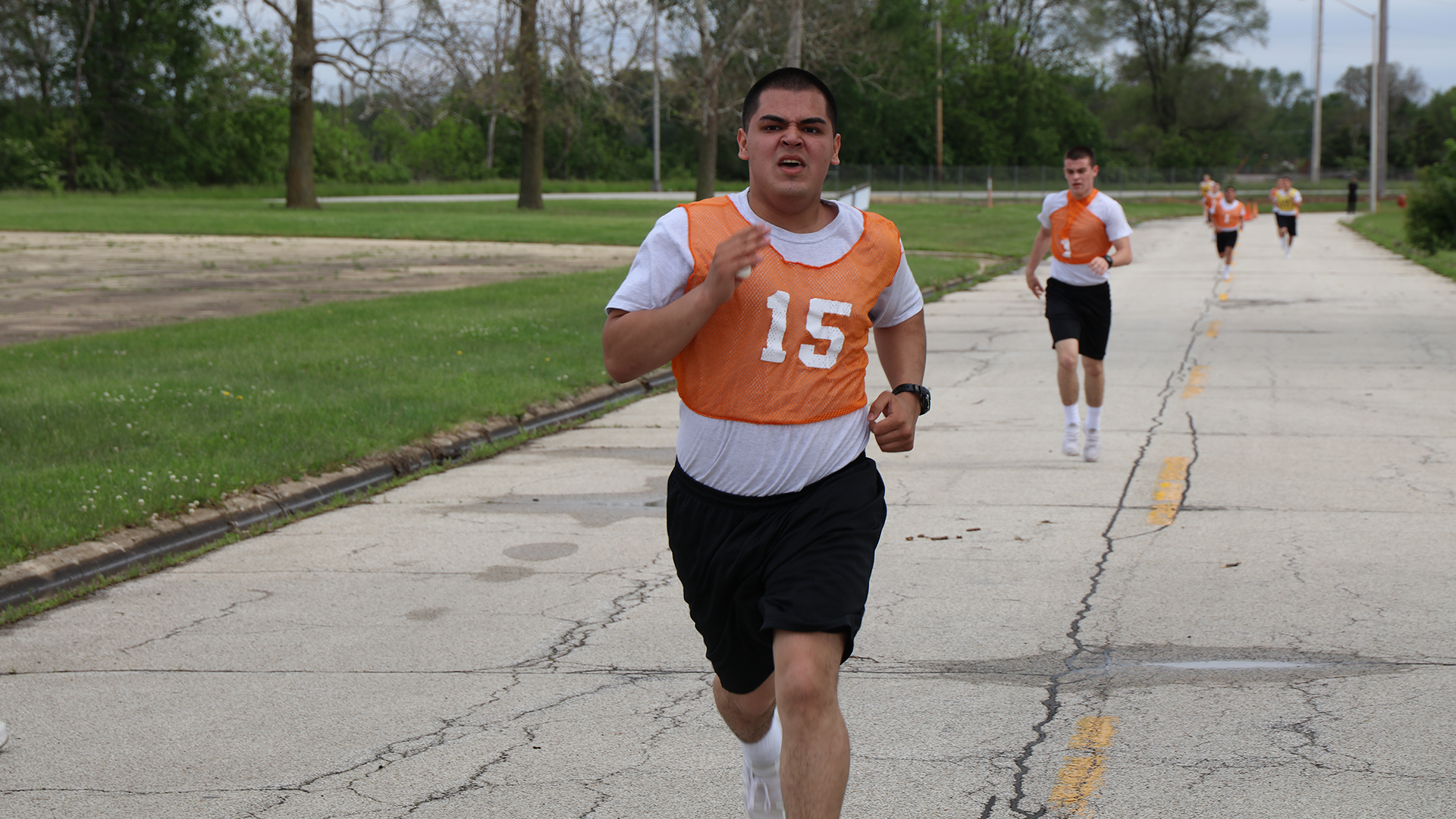
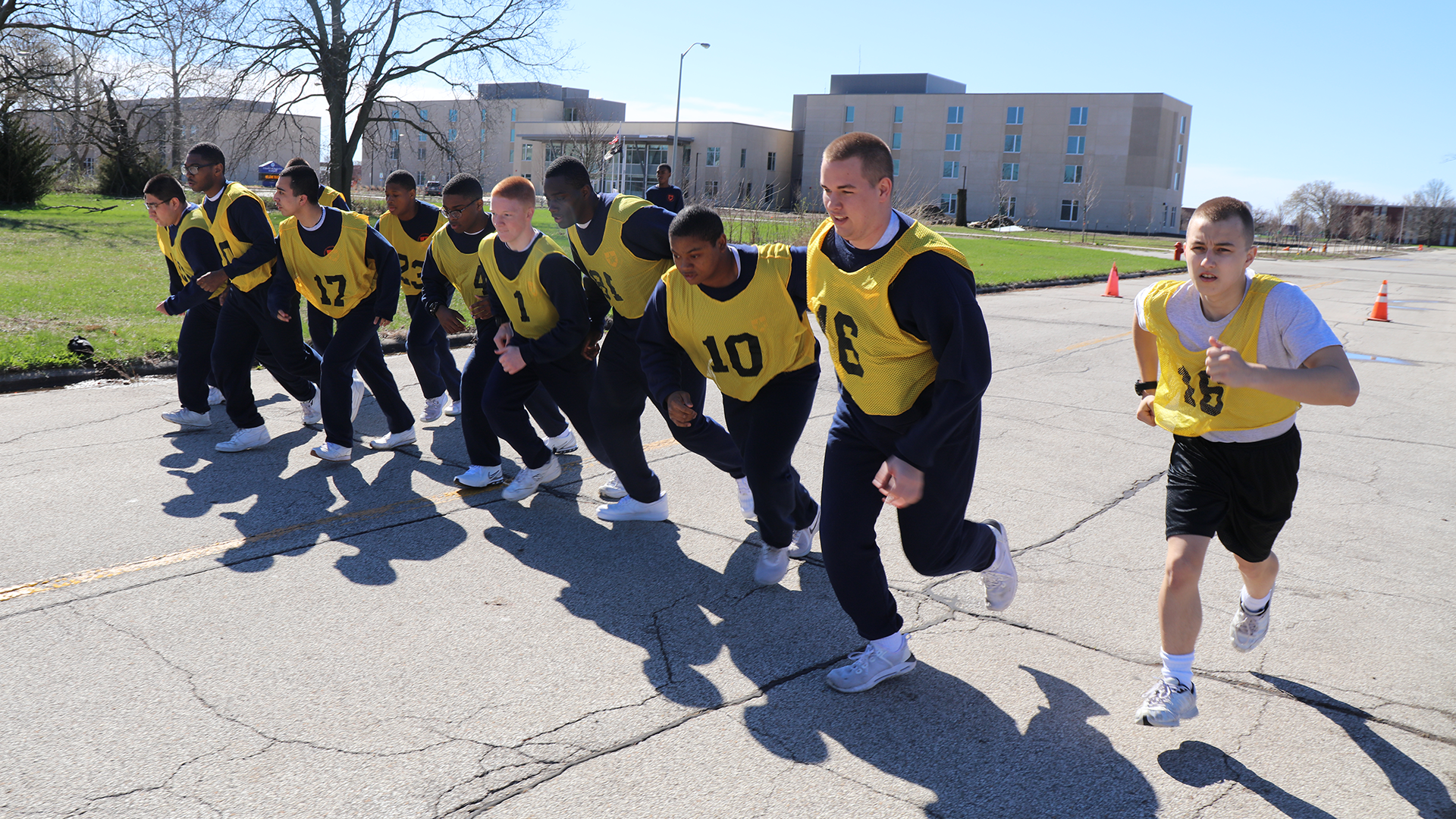
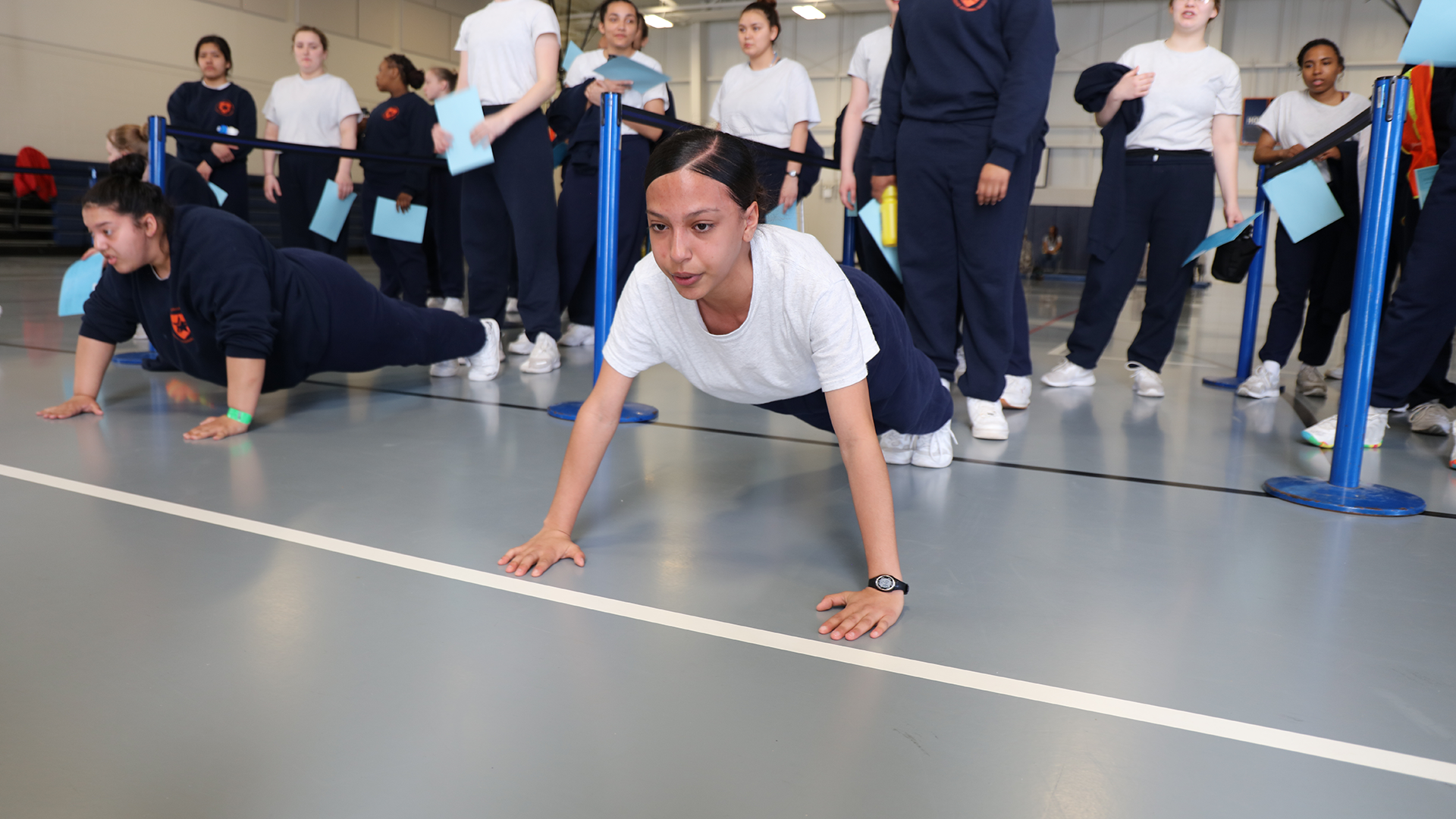
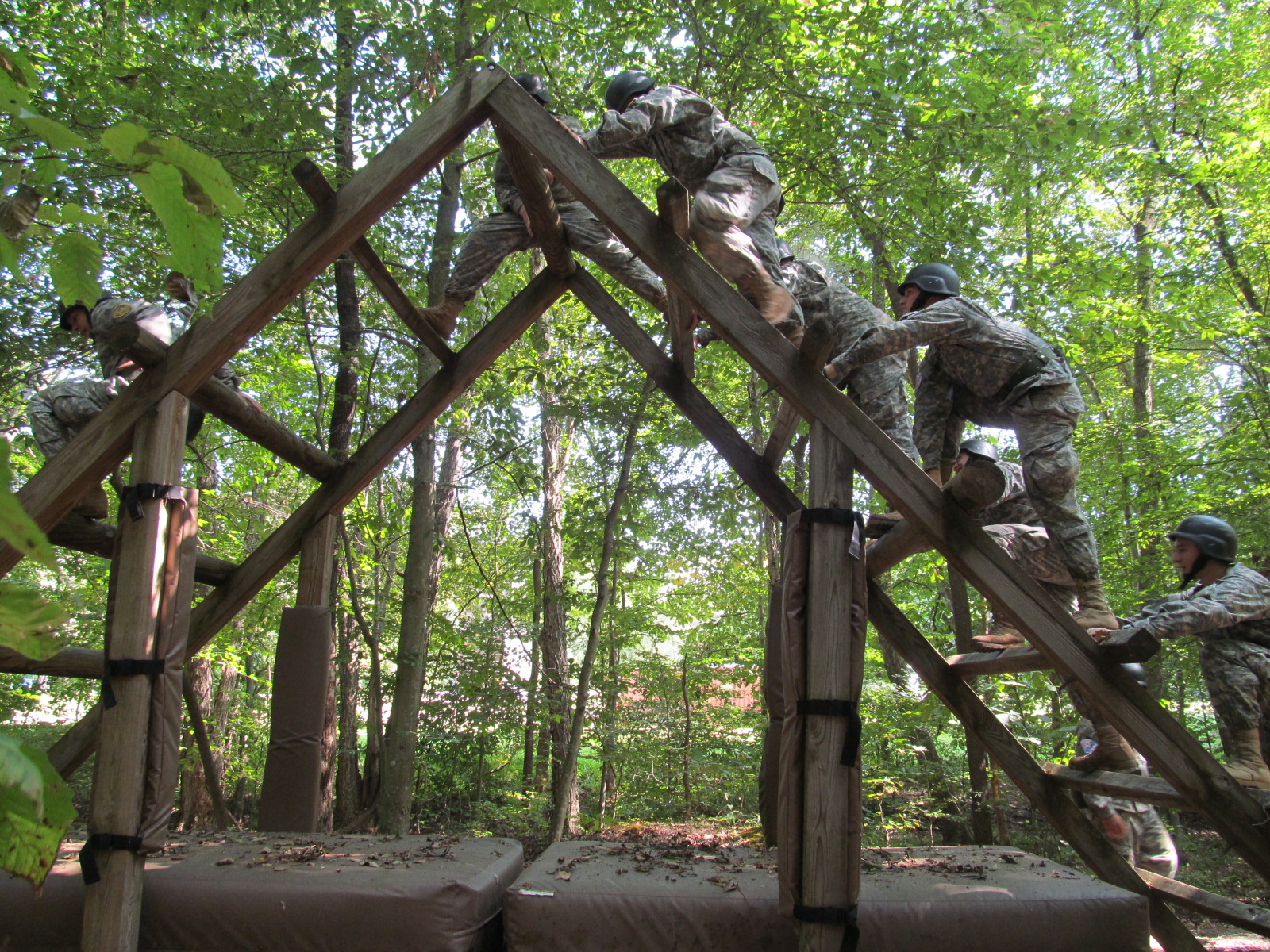
Daily physical training based on the President's Council on Physical Fitness standards. Cadets must demonstrate improvement across all fitness categories including cardiovascular endurance, muscular strength, and flexibility. Physical fitness is integrated into daily activities with morning PT sessions, drill and ceremony practice, and team-based physical challenges. All cadets complete fitness assessments at entry and throughout the program to measure improvement.
Physical Activities
Facilities
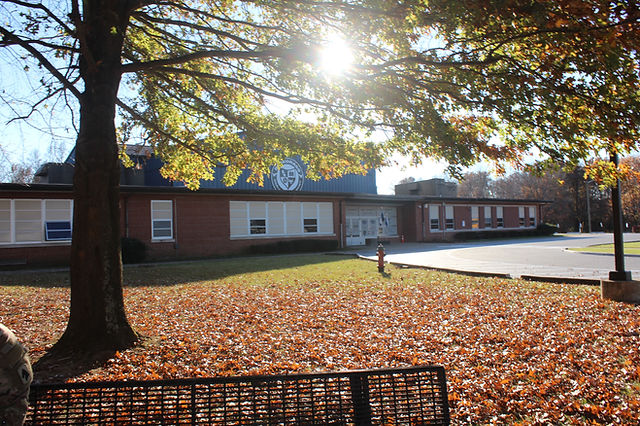
The 25-acre campus on the former Chanute Air Force Base features approximately 136,000 square feet of facilities across three main buildings constructed in 2016: an education building with modern classrooms and computer labs, a residential/administrative building with dormitory housing, and a gymnasium/logistics building. Cadets have access to athletic fields, a gymnasium, and outdoor training areas. The dormitory assigns 6-8 cadets per room organized by team, with gender-separated floors.
Note: Youth Challenge programs emphasize physical fitness as one of the Eight Core Components, focusing on building endurance, strength, and healthy habits rather than varsity athletics.
Photo Gallery
Related Schools
Appalachian Challenge Academy
Grays Knob, KY
Free 22-week Kentucky National Guard Youth Challenge program in Grays Knob for at-risk 16-18-year-olds: GED completion, high school credits, and trade certifications.
Bluegrass Challenge Academy
Fort Knox, KY
Free 22-week Kentucky National Guard Youth Challenge program at Fort Knox for at-risk 16-18-year-olds: GED completion, credit recovery, and 12-month mentoring.
Hoosier Youth Challenge Academy
Knightstown, IN
Tuition-free National Guard Youth Challenge program in Knightstown, Indiana. The 22-week residential course helps ages 16-18 earn a GED or diploma and build life skills.
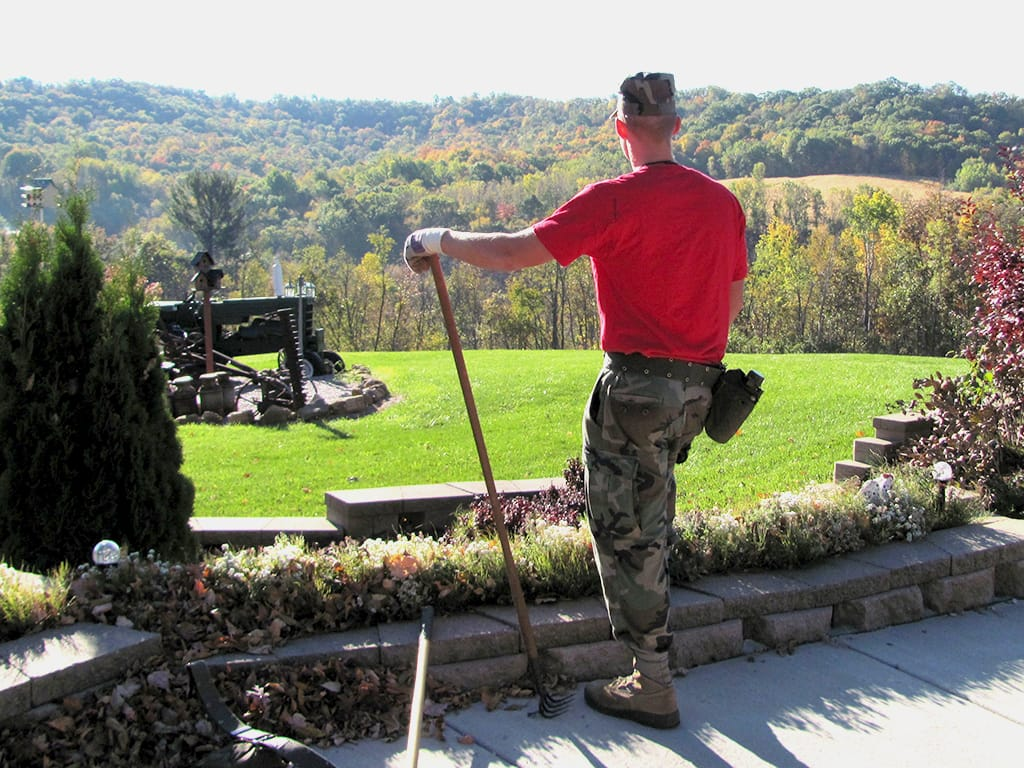
Wisconsin Challenge Academy
Fort McCoy, WI
Free 22-week National Guard residential program at Fort McCoy for at-risk Wisconsin teens ages 16-18. Operating since 1998; 87% of cadets earn an HSED.

Alaska Military Youth Academy
JBER, AK
Tuition-free 22-week National Guard Youth Challenge program at Joint Base Elmendorf-Richardson for at-risk Alaska youth ages 16-18. Coed, residential, founded 1994.
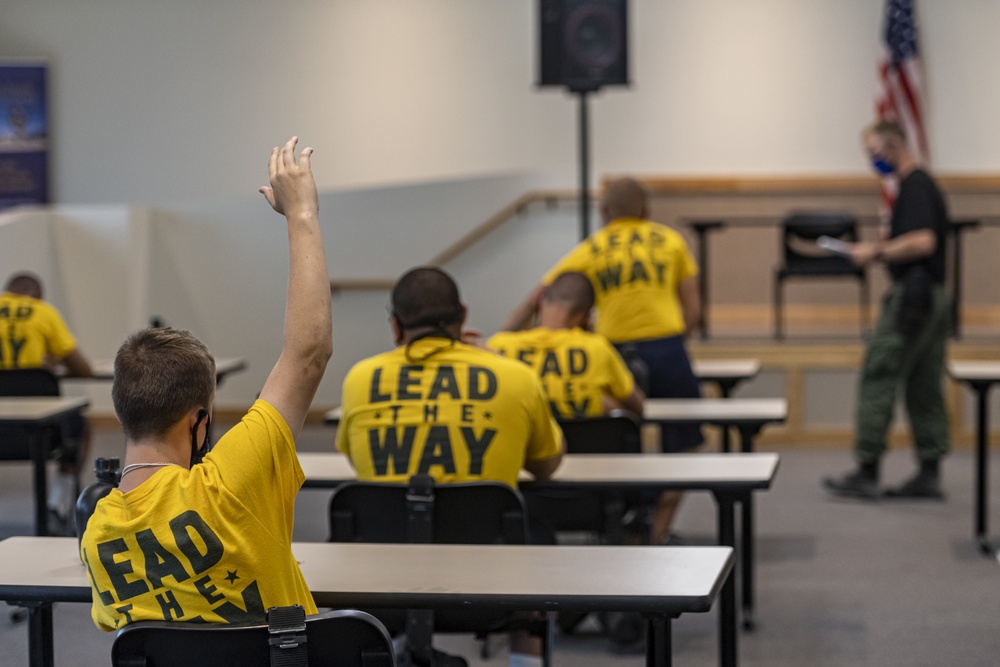
Battle Born Youth Challenge Academy
Carlin, NV
Battle Born Youth Challenge Academy in Carlin is Nevada's tuition-free National Guard program for at-risk youth ages 16-18 — 22 weeks of credit recovery and life skills.
Guides & Resources
Chicago's 6 Free Public Military High Schools (CPS)
Chicago Public Schools operates six tuition-free military high schools—the largest public military academy system in America. How to apply and what to expect.
National Guard Youth Challenge Academies: What to Expect
Free 22-week National Guard residential programs for teens 16-18 who are behind in school. Eligibility, what to expect, and the academy in your state.
Free Military Schools: 4 Tuition-Free Options
Yes — four options charge no tuition: public military academies, charter schools, service academies, and Youth Challenge. Private boarding runs $25,500-$67,000.
Military School vs. Therapeutic Boarding School
Military schools build leaders; therapeutic programs treat crises. Compare purpose, staff, and cost — $30,000-$65,000 a year vs. $10,000-$20,000 a month.
Pennsylvania EITC & OSTC: Tax Credits for Military School
Pennsylvania's EITC and OSTC let businesses fund military school scholarships for a 75-90% state tax credit — what families and business owners should know.
Military School Readiness Checklist: Is Your Child Ready?
A 52-point checklist covering physical, emotional, attitude, and family readiness for military school — with honest scoring and what to do if the answer is not yet.