
Puerto Rico Youth Challenge Academy
Juana Díaz, PR
"Dream. Believe. Achieve."
National Guard Youth Challenge Program
Free Intervention Program for At-Risk Youth Ages 16-18
At a Glance
Established
1999
Program Type
Youth Challenge
Administered By
National Guard
State
Puerto Rico
Accreditations
The Verdict
Since 1999, the Puerto Rico National Guard Youth Challenge Academy has transformed the lives of more than 8,000 at-risk youth across the island. Located at historic Fort Allen in Juana Díaz, this tuition-free 22-week residential program offers Puerto Rican young people aged 16-18 who have disconnected from traditional education a genuine second chance to reset, refocus, and rise.
What sets Puerto Rico's program apart from the more than 40 Youth Challenge academies across the United States and territories is its exclusive focus on providing a complete 4th-year high school diploma rather than just a GED. Licensed by the Puerto Rico Council of Education and accredited by CADIE (Comisión Acreditadora de Instituciones Educativas), the academy combines quasi-military discipline with vocational training.
Graduates leave equipped not only with their diplomas but also with certificates in technical and vocational fields. The program's comprehensive approach—academic excellence, leadership development, physical fitness, and community service—is designed to reclaim and redirect the lives of young Puerto Ricans toward productive citizenship.
Campus & Cadet Life
About
The Puerto Rico Youth Challenge Academy is a tuition-free 22-week residential program in Juana Díaz for at-risk youth 16-18, awarding a full high school diploma.
Admissions & Selectivity
Admissions Philosophy
developmental
Key Requirements
- Must be a Puerto Rico resident aged 16-18
- Must be a high school dropout or at risk of dropping out
- Must be drug-free and willing to maintain zero-tolerance drug policy
- Must not have been convicted of a felony or have pending legal matters
- Enrollment is entirely voluntary (cannot be court ordered to attend)
- Must be physically and mentally capable of completing the demanding program
- Must attend an orientation session before applying
- Must complete admissions interview and submit all required paperwork
- Must have a designated mentor for the 12-month post-residential phase
Location
Program Details
Eligible Ages
16-18 years old
Residential Phase
22 weeks
Mentorship Phase
12 months
Cost
FREE
Annual Enrollment
220
Gender
coed
Eligibility
State Resident
Participation
Voluntary
Barracks Life
Housing Type
barracks
Daily Schedule
Cadets follow a highly structured schedule throughout the 22-week residential program at Fort Allen, built around three distinct phases:
Acclimation Phase (2 weeks): Cadets adjust to the quasi-military environment, learn the code of conduct, and build foundational teamwork skills.
Residential Phase (20 weeks): The core of the program. A typical day begins at 5:00 AM with room inspection and bed-making, followed by classes integrating all Eight Core Components: academic excellence, health and hygiene, job skills, leadership and followership, life coping skills, service to community, physical fitness, and responsible citizenship. Contact with family is limited to maintain focus on personal development.
Post-Residential Phase (12 months): After graduation, cadets return home and continue working toward their goals with ongoing support from their assigned mentor and case manager.
Discipline Model
The academy operates as a quasi-military intervention program with a zero-tolerance policy for alcohol, tobacco, and drugs. Key elements include:
- Random Testing: Cadets undergo random drug and toxicology screenings; a positive test results in immediate dismissal
- Gender-Separated Housing: Boys and girls live in separate barracks within the Fort Allen facility
- Military Structure: Emphasis on discipline, consistency, chain of command, and peer accountability
Cadres focus on developing each cadet "as a professional, as a family member, and as a human being." The isolated campus eliminates outside distractions, while parent workshops help integrate families into the transformation journey.
Program Outcomes
Success Metrics
Post-residential placement includes higher education, employment, military service, or vocational careers based on certifications earned
Post-Program Pathways
N/A (program focuses on high school diploma completion and career readiness)
Note: Youth Challenge programs focus on GED completion, credit recovery, and life skills development—not traditional college prep metrics.
Physical Training
Physical Fitness Program
Physical fitness is one of the Eight Core Components of daily cadet life. All cadets participate in physical training as part of the program's emphasis on developing the whole person.
Daily PT includes:
- Structured warm-ups and cool-down exercises
- Running and cardiovascular conditioning
- Strength training and bodyweight exercises
- Marching and drill (builds discipline and unit cohesion)
The physical fitness component works in conjunction with health and hygiene education to promote overall wellness and lifelong self-discipline.
Physical Activities
Facilities
The academy is located at Fort Allen Training Center, a 921-acre Puerto Rico National Guard installation in Juana Díaz on Puerto Rico's southern coast.
Campus features include:
- Separate barracks for male and female cadets
- Classroom buildings for academic instruction
- Vocational training facilities
- Dining facilities
- Outdoor training grounds
The isolated military base setting eliminates outside distractions and reinforces the quasi-military discipline model, allowing cadets to focus entirely on their transformation.
Note: Youth Challenge programs emphasize physical fitness as one of the Eight Core Components, focusing on building endurance, strength, and healthy habits rather than varsity athletics.
Photo Gallery


Related Schools

Alaska Military Youth Academy
JBER, AK
Tuition-free 22-week National Guard Youth Challenge program at Joint Base Elmendorf-Richardson for at-risk Alaska youth ages 16-18. Coed, residential, founded 1994.
Appalachian Challenge Academy
Grays Knob, KY
Free 22-week Kentucky National Guard Youth Challenge program in Grays Knob for at-risk 16-18-year-olds: GED completion, high school credits, and trade certifications.
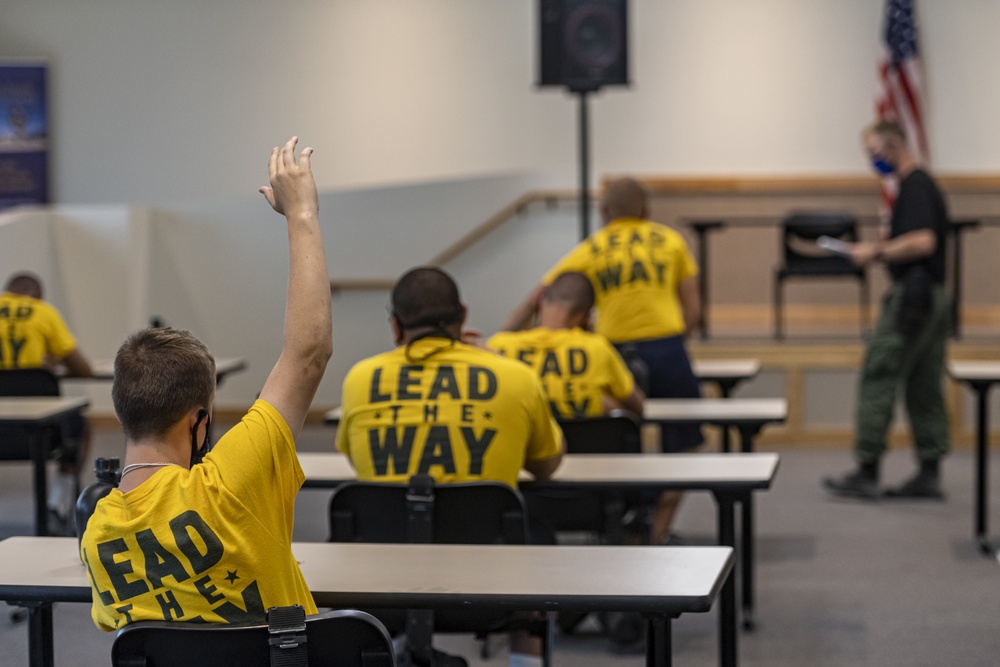
Battle Born Youth Challenge Academy
Carlin, NV
Battle Born Youth Challenge Academy in Carlin is Nevada's tuition-free National Guard program for at-risk youth ages 16-18 — 22 weeks of credit recovery and life skills.
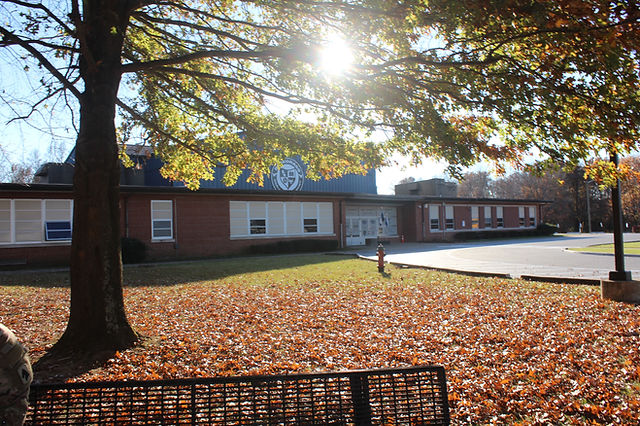
Bluegrass Challenge Academy
Fort Knox, KY
Free 22-week Kentucky National Guard Youth Challenge program at Fort Knox for at-risk 16-18-year-olds: GED completion, credit recovery, and 12-month mentoring.
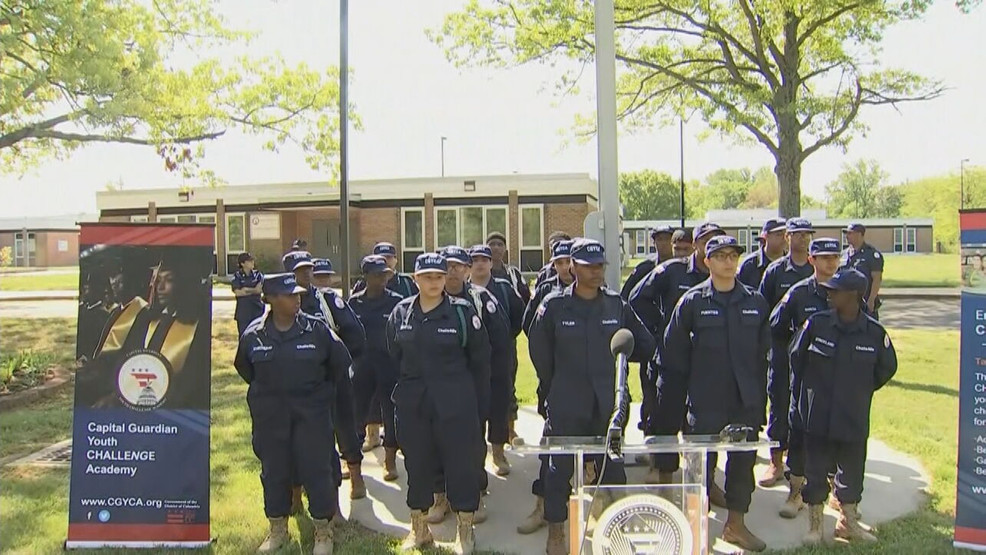
Capital Guardian Youth Challenge
Laurel, MD
Capital Guardian Youth Challenge Academy (CGYCA) is a free 22-week residential program in Laurel, MD, where the DC National Guard helps teens 16-18 earn a GED or diploma.
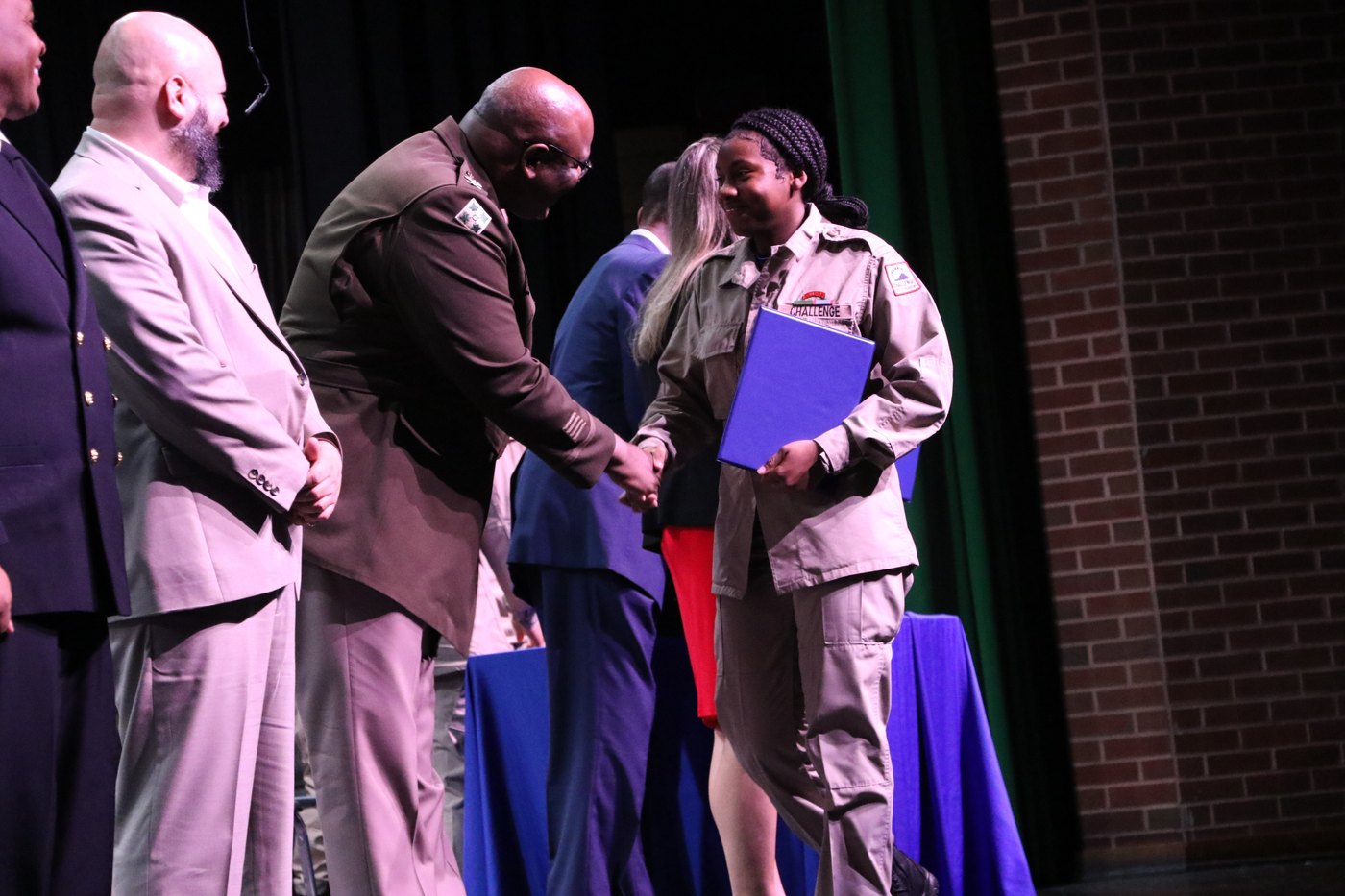
Commonwealth Challenge Youth Academy
Virginia Beach, VA
Commonwealth Challenge is Virginia's tuition-free National Guard Youth Challenge program in Virginia Beach — a 22-week residential phase of GED prep, life skills, and discipline.
Guides & Resources
National Guard Youth Challenge Academies: What to Expect
Free 22-week National Guard residential programs for teens 16-18 who are behind in school. Eligibility, what to expect, and the academy in your state.
Free Military Schools: 4 Tuition-Free Options
Yes — four options charge no tuition: public military academies, charter schools, service academies, and Youth Challenge. Private boarding runs $25,500-$67,000.
Military School vs. Therapeutic Boarding School
Military schools build leaders; therapeutic programs treat crises. Compare purpose, staff, and cost — $30,000-$65,000 a year vs. $10,000-$20,000 a month.
The Parent's Emotional Journey: Drop-Off to Thanksgiving
The three phases of a military school parent's first semester: the silent early weeks, the 3-week 'come get me' call, and the Thanksgiving transformation.
Georgia Special Needs Scholarship (SB10) for Military School
Georgia's SB10 scholarship gives students with IEPs or 504 Plans ~$6,000-$15,000+ toward private tuition — including military academies. How to qualify and apply.
Post-Graduate (PG) Year at Military Prep Schools
A post-graduate (PG) year is an extra prep school year after high school graduation. See the 8 military schools with PG programs, who benefits, and what it costs.